





NZ most likely to face significant future cyber attacks
Singapore - New Zealand is most likely to face significant future cyber attacks, particularly as it is a member of the five-eyes alliance with the USA, the UK, Canada and Australia, which shares classified foreign intelligence, including the cyber operations of state actors, Theo Nassiokas, a leading global tech security expert, says.
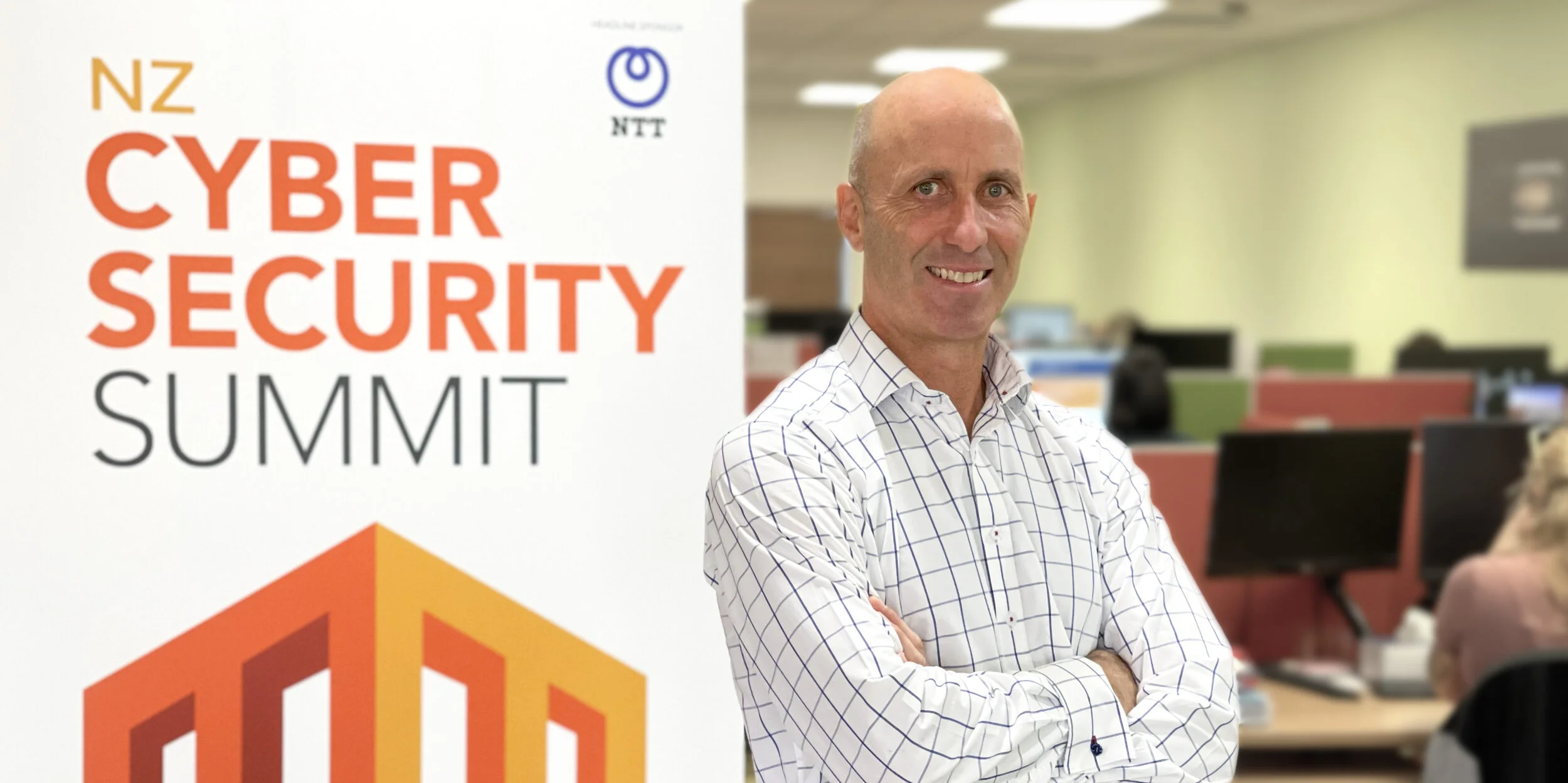
Nassiokas, the former cyber and information security director at Barclays in Singapore, is the key speaker at the 2019 New Zealand cyber security summit in Wellington on October 16.
The Five Eyes, often abbreviated as FVEY, is an intelligence alliance whose countries are party to a joint cooperation in signals intelligence.
Nassiokas says this situation places New Zealand and the other five-eyes alliance members in a higher risk profile, as they are being targeted by countries with opposing foreign policies, including Russia, North Korea, China, Iran and others.
“Since 2018, there is clear evidence and a growing trend that the most significant and successful cyber-attacks are carried out by state actors.
“It is common to hear cyber threat actors placed into one of four categories, being state sponsored, criminal, hacktivist and terrorist.
“What this recent trend is showing us is that state actors are the most active with regard to anyone of these cyber threat actor categories. This is what I will be outlining at the cyber security summit, organised by NZTech and Conferenz in Wellington on October 16.
“Cyber attacks can’t be prevented, and there are two types of organisations; those that have been hacked and those that don’t know they’ve been hacked.
“This includes both government and private sector organisations, However, all New Zealand organisations need to consider a commercially feasible cyber strategy involving a smart combination of technology, people and process controls to achieve an optimal level of cyber security and cyber resilience.
“Cyber security deals with controls designed to prevent successful cyber-attacks and cyber resilience deals with controls designed to maintain seamless business operation during or post a successful cyber attack – and both are critical in a holistic cyber strategy.
“I can’t over-emphasise the importance of cyber intelligence sharing between private sector and government as this will give participants the big picture,” he says.
For further information contact Make Lemonade NZ editor-in-chief Kip Brook on 0275 030188



Lisa was born in Auckland at the start of the 1970s, living in a small campsite community on the North Shore called Browns Bay. She spent a significant part of her life with her grandparents, often hanging out at the beaches. Lisa has many happy memories from those days at Browns Bay beach, where fish were plentiful on the point and the ocean was rich in seaweed. She played in the water for hours, going home totally “sun-kissed.” “An adorable time to grow up,” Lisa tells me.
Lisa enjoyed many sports; she was a keen tennis player and netballer, playing in the top teams for her age right up until the family moved to Wellington. Lisa was fifteen years old, which unfortunately marked the end of her sporting career. Local teams were well established in Wellington, and her attention was drawn elsewhere.