




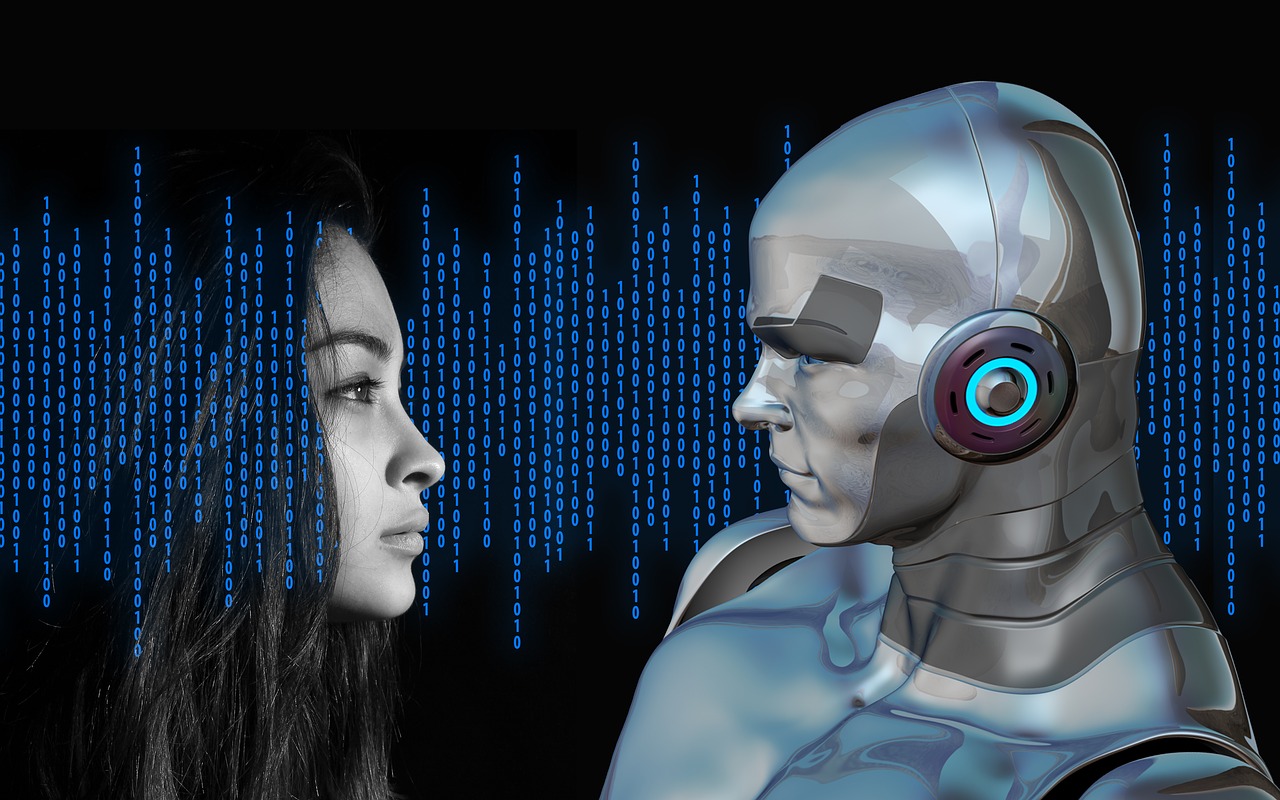
AI can make a positive impact on NZ’s economy, society
Auckland - AI technologies are beginning to have a major impact on New Zealand’s economy and society, NZTech chief executive Graeme Muller says.
Reports show that changes brought by AI will be as significant as the ongoing changes that have brought computers and internet into all aspects of business, government and everyday life over the last 30 years, he says.
Muller was commenting on the New Zealand AI Forum’s latest research report just released which highlights the importance of AI for New Zealand’s future growth.
“Last year the AI Forum released a report that called for a national AI strategy, that would be nice, however technology is moving so fast we just need to get on with it.
“It is excellent that this new report identifies we should immediately begin considering the role of AI to support all of the existing national strategies,” he says.
“We need to consider AI in all sectors including health, education, agriculture and banking. AI will be useful in almost every way of life in New Zealand.
“For example, how can AI reduce the road toll? According to this study, AI has the potential to save 64 lives a year, prevent 7200 injuries and more than $800 million in social costs.
“The research clearly highlights the value of AI for achieving New Zealand’s wellbeing, sustainability and economic goals.”
The report provides a showcase of AI case studies, analysis of what’s needed to boost acceptance and adoption and a first examination of Māori attitudes, perceptions of and engagement with AI.
The research identifies that New Zealand urgently needs to increase its focus on areas such as investment in AI, skills and talent, research, trusted data, ethics and regulation. The report shows how AI solutions can be used to improve wellbeing, productivity and sustainability.
AI is fast emerging as a key technology to solve many business and social problems. More than half of New Zealand businesses and organisations think AI will be, or is already, a game changer and will enable transformation of business and society. Underpinning all of this is the ever-increasing importance of data.
“Organisations are starting to place greater value on opportunities arising from their data,” Muller says.
“But more needs to be done if we want to capture the power of AI for New Zealand’s well-being.”
For further information contact Make Lemonade editor-in-chief Kip Brook on 0275 030188



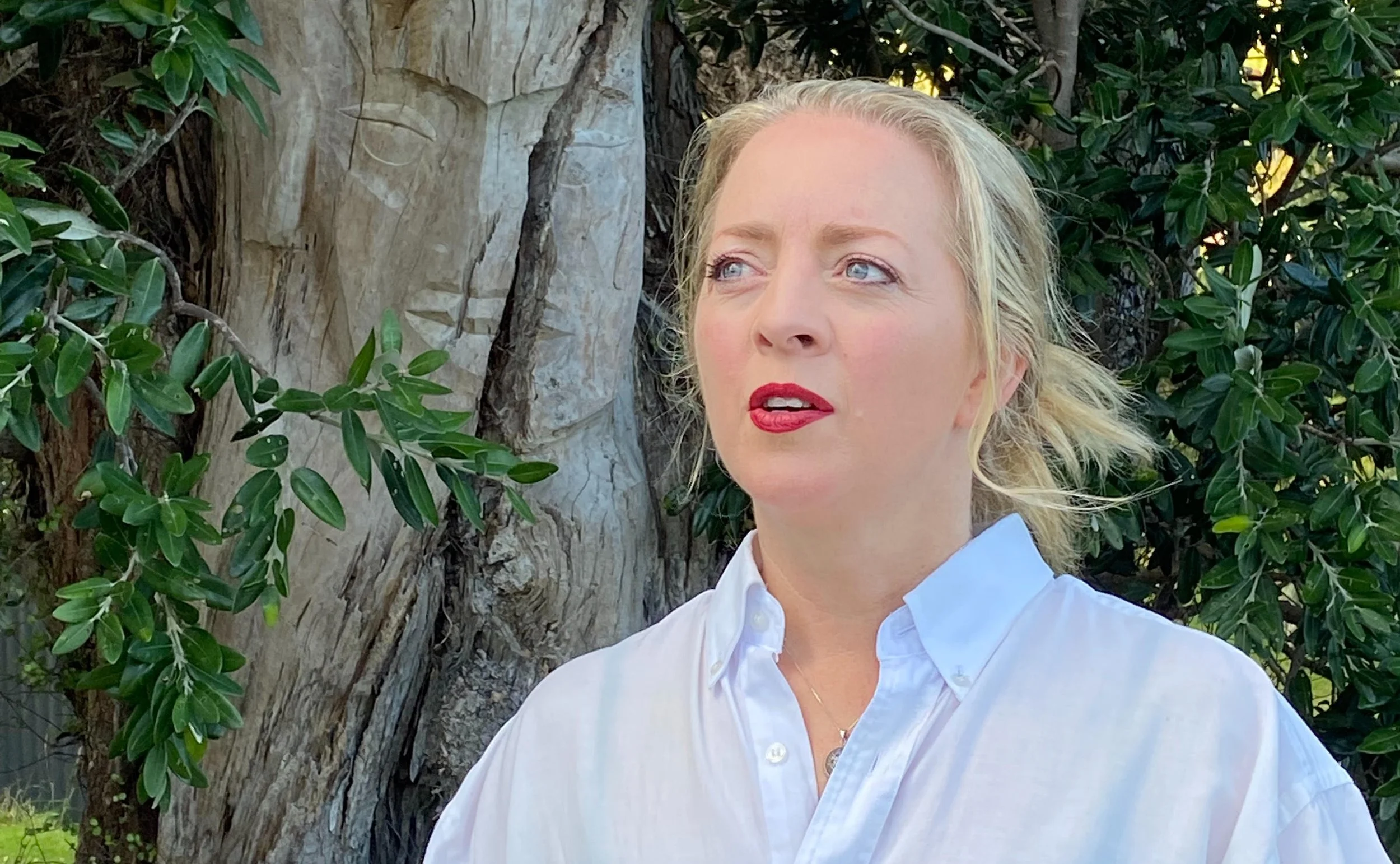
Lisa was born in Auckland at the start of the 1970s, living in a small campsite community on the North Shore called Browns Bay. She spent a significant part of her life with her grandparents, often hanging out at the beaches. Lisa has many happy memories from those days at Browns Bay beach, where fish were plentiful on the point and the ocean was rich in seaweed. She played in the water for hours, going home totally “sun-kissed.” “An adorable time to grow up,” Lisa tells me.
Lisa enjoyed many sports; she was a keen tennis player and netballer, playing in the top teams for her age right up until the family moved to Wellington. Lisa was fifteen years old, which unfortunately marked the end of her sporting career. Local teams were well established in Wellington, and her attention was drawn elsewhere.