




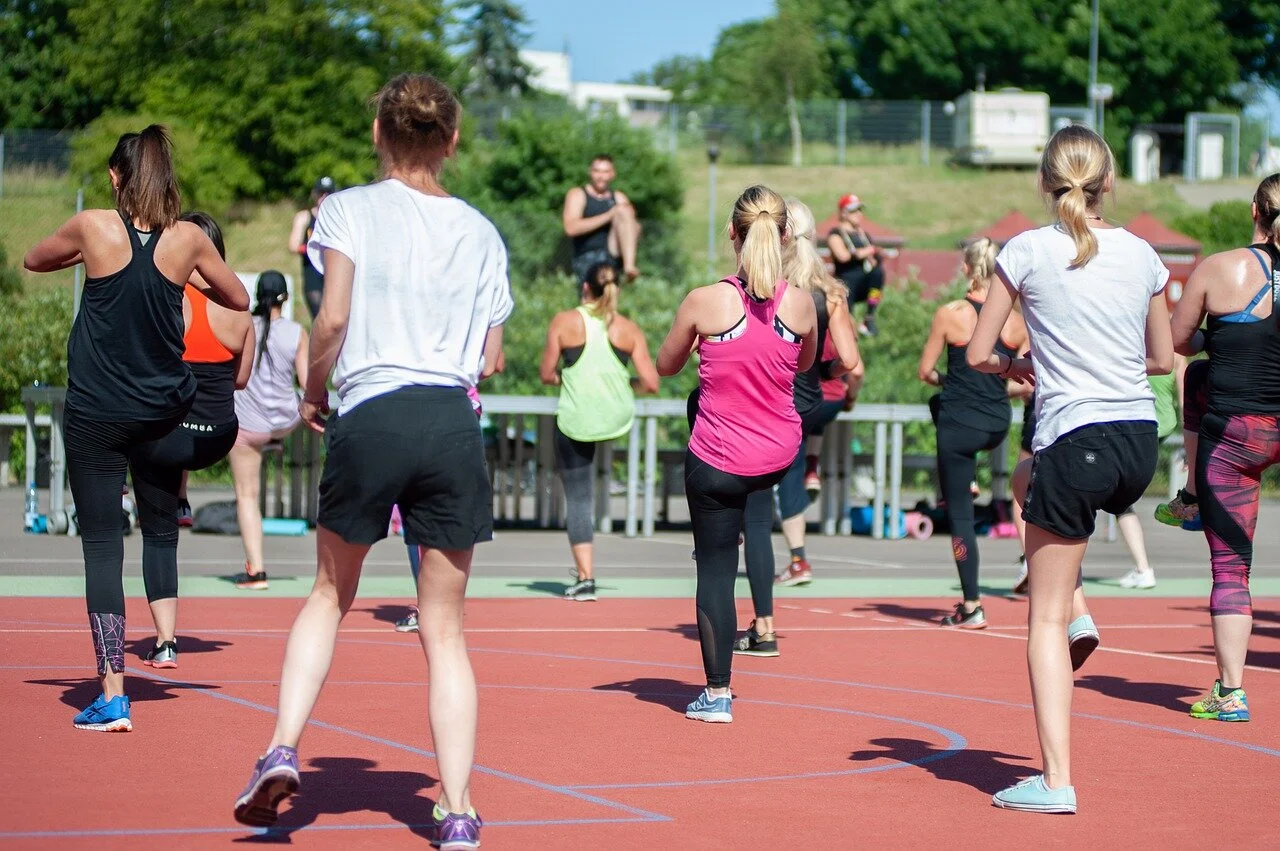
Steady exercising counts, ExerciseNZ says
Christchurch - Every Kiwi adult should throw out the idea that if they are not throwing themselves into a sweat-drenching workout for more than an hour it doesn’t count, ExerciseNZ chief executive Richard Beddie says.
New Zealanders must get more physically active. He says an obesity epidemic is gripping the country which also has a physical inactivity crisis, being the 13th worst in the world – and the worst for children with only 10 percent meeting World Health Organisation guidelines.
Exercise may not be on the top of most people’s do list but the World Health Organisation (WHO) says it should be and it is food for thought heading into the first day of 2021, he says.
Beddie is on the WHO working group looking at global health, activity and exercise which is meeting and discussing issues next year.
“The WHO has recently updated its guidelines on physical activity and every New Zealander needs to exercise daily. At the moment almost half Kiwi adults and four out of five young people don’t get enough aerobic exercise.
“That might not sound so bad, but a lack of physical activity can increase the odds of an early death by 20 to 30 percent.
“Almost every major disease from cardiovascular disease, cancer, diabetes together with degenerative diseases such as Alzheimers and Parkinson’s plus mental health issues like depression and anxiety all benefit from exercise.
“The latest WHO guidelines recommend a minimum of 150 to 300 minutes of moderate activity a week or 75 to 150 minutes of vigorous activity, or a combination of both.
“That many not sound much Although that might sound like a lot, if you break it down to how much exercise a day you need, it works out to less than an hour.
“I agree with my colleagues at WHO that people should reach the weekly guidelines by accumulating activity each day but it’s okay to miss a day.
“Exercising about round 300 minutes a week may offer additional benefits to those wanting to lose weight. Researchers say that after 12 weeks, the amount of WHO-recommended exercise leads to a loss of notable body fat loss, for are sedentary adults.”
The WHO guidelines don’t just spell out the amount and intensity of exercise needed for optimal health; they recommend the types of aerobic exercise and muscle strengthening exercises.
Beddie says scientists have known for a long time that there is a link between physical activity and better health. Regular or daily physical activity is one of the most important things you can do for your health.
“Ongoing activity can improve a person’s brain health; help them better manage their weight; reduce their chances of developing various diseases, including diabetes, some cancers, and cardiovascular disease; strengthen their muscles and bones; and improve mental health.”
For further information contact Make Lemonade NZ editor-in-chief Kip Brook on 0275 030188




Lisa was born in Auckland at the start of the 1970s, living in a small campsite community on the North Shore called Browns Bay. She spent a significant part of her life with her grandparents, often hanging out at the beaches. Lisa has many happy memories from those days at Browns Bay beach, where fish were plentiful on the point and the ocean was rich in seaweed. She played in the water for hours, going home totally “sun-kissed.” “An adorable time to grow up,” Lisa tells me.
Lisa enjoyed many sports; she was a keen tennis player and netballer, playing in the top teams for her age right up until the family moved to Wellington. Lisa was fifteen years old, which unfortunately marked the end of her sporting career. Local teams were well established in Wellington, and her attention was drawn elsewhere.