




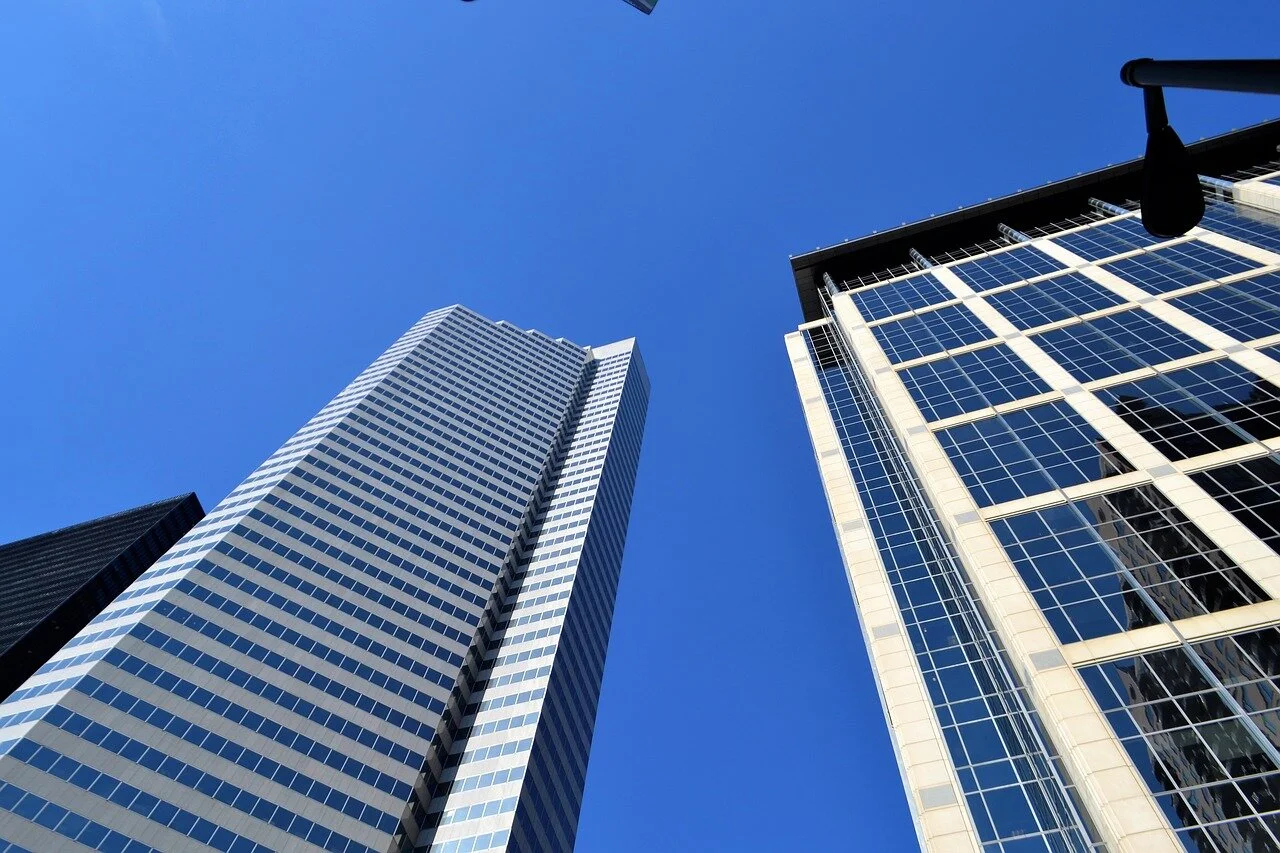
Windows could soon be solar panels too
Ōtautahi – A new transparency-friendly solar cell design could pave the way for windows that also provide solar power, according to new research.
To create transparent solar panels, researchers have been exploring using carbon-based materials.
The team who designed the solar cells extrapolated that they would still be running at 80 percent efficiency after 30 years.
A new transparency-friendly solar cell design could marry high efficiencies with 30-year estimated lifetimes, researchers report.
It may pave the way for windows that also provide solar power.
Solar energy is about the cheapest form of energy that mankind has ever produced since the industrial revolution, the University of Michigan research found.
With these devices used on windows, homes and office buildings become power plants. While silicon remains king for solar panel efficiency, it isn’t transparent.
For window-friendly solar panels, researchers have been exploring organic—or carbon-based—materials. The challenge for the Michigan researchers was how to prevent very efficient organic light-converting materials from degrading quickly during use.
By studying the nature of the degradation those unprotected solar cells, the team recognised that they only needed shoring up in a few places. First, they’d need to block out that UV light. For that, they added a layer of zinc oxide—a common sunscreen ingredient—on the sun-facing side of the glass.
A thinner zinc oxide layer next to the light absorbing region helps conduct the solar-generated electrons to the electrode. Unfortunately, it also breaks down the fragile light absorber, so the team added a layer of a carbon-based material as a buffer.
In addition, electrodes that drew positively-charged holes into the circuit also reacted with light absorbers.
The team tested their new defences under different intensities of simulated sunlight, from the typical one sun, up to the light of 27 suns and temperatures up to 65C degrees. By studying how the performance degraded under these conditions, the team extrapolated that the solar cells would still be running at 80 percent efficiency after 30 years.
The researchers could see a future of these devices becoming popular. They have already increased the transparency of the module to 40 percent. They believe they can approach 60 percent transparency.
They’re also working on bumping up the efficiency from the 10 percent achieved in the reported semi-transparent modules, closer to the 15 percent believed to be possible at high transparency. Because the materials can be prepared as liquids, the manufacturing costs are expected to be relatively low.



Lisa was born in Auckland at the start of the 1970s, living in a small campsite community on the North Shore called Browns Bay. She spent a significant part of her life with her grandparents, often hanging out at the beaches. Lisa has many happy memories from those days at Browns Bay beach, where fish were plentiful on the point and the ocean was rich in seaweed. She played in the water for hours, going home totally “sun-kissed.” “An adorable time to grow up,” Lisa tells me.
Lisa enjoyed many sports; she was a keen tennis player and netballer, playing in the top teams for her age right up until the family moved to Wellington. Lisa was fifteen years old, which unfortunately marked the end of her sporting career. Local teams were well established in Wellington, and her attention was drawn elsewhere.