




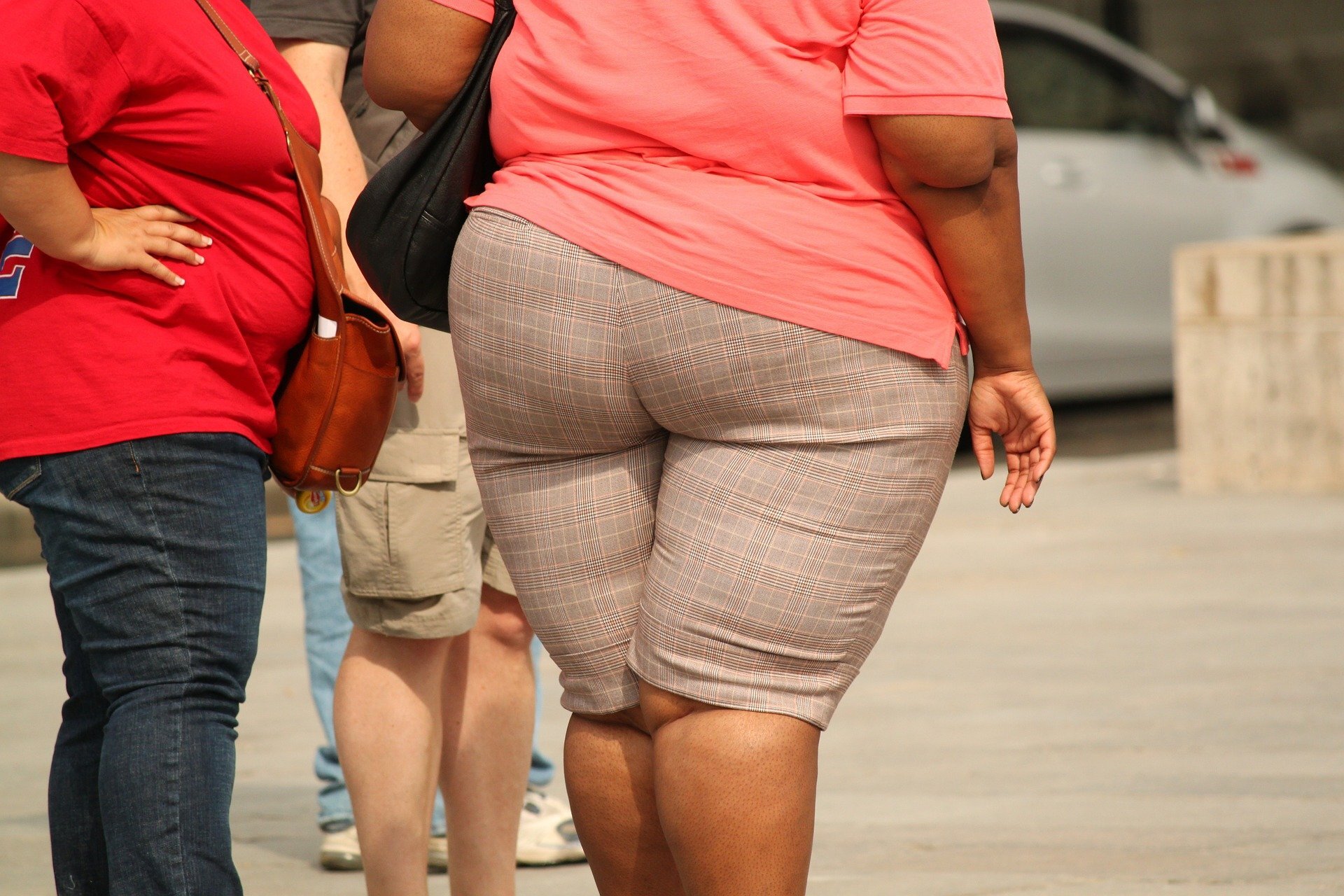
Adult and child obesity increasing in NZ
Tamaki Makaurau - Obesity has increased in both adults and children, according to the annual New Zealand health survey just released.
About one in three adults (34.4 percent) were classified as obese in 2020/21, up from 31.2 percent last year. Nearly one in eight children aged two to 14 (12.7 percent) were classified as obese, up from 9.5 percent last year.
Obesity has increased since the year before for adults and children. About 1.5 million New Zealanders were obese in 2020-21 compared to 1.36 million in 2019-20.
But about one in seven children live in households where food runs out sometimes or often.
The Ministry of Health survey is a key data source and provides statistics on New Zealander’s self-rated health, smoking, drinking, obesity, mental health status and barriers to accessing healthcare.
The results provide some insights about what impact the covid pandemic is having on the health of New Zealanders. Covid has been a huge focus for the health sector.
The survey shows nearly one in 10 adults experiencing psychological distress.
Daily smoking has decreased, with a larger than usual decrease, 9.4 percent down from 11.9 percent the year before. But regular smoking for Māori (22.3 percent) and Pacific (16.4 percent) adults continues to be high.
Other key results of the survey show:
Most New Zealanders are in good health. In 2020/21, 88 percent of adults reported they were in good health, a one percent increase on the previous year.
About one in 10 adults (10.2 percent) reported cost as a barrier to seeing a GP. Māori (15.7 percent) and Pacific (15.2 percent) adults were more likely to report cost as a barrier.
A new indicator, barriers to accessing primary care due to covid, showed in 2020/21, 6.3 percent adults and 3.6 percent children did not see a GP due to covid. Pacific adults and children were more likely to report covid as a barrier to seeing a GP and collecting a prescription than other ethnic groups.
Hazardous drinking remained about the same. One in five adults (19.9 percent) reported having a hazardous drinking pattern in 2020/21, similar to 21.3 percent the year before.




Lisa was born in Auckland at the start of the 1970s, living in a small campsite community on the North Shore called Browns Bay. She spent a significant part of her life with her grandparents, often hanging out at the beaches. Lisa has many happy memories from those days at Browns Bay beach, where fish were plentiful on the point and the ocean was rich in seaweed. She played in the water for hours, going home totally “sun-kissed.” “An adorable time to grow up,” Lisa tells me.
Lisa enjoyed many sports; she was a keen tennis player and netballer, playing in the top teams for her age right up until the family moved to Wellington. Lisa was fifteen years old, which unfortunately marked the end of her sporting career. Local teams were well established in Wellington, and her attention was drawn elsewhere.