




Bird measures Antarctic ice thickness
Ōtepoti - Is it a bird? Is it a a plane? No t is a laser-shooting electromagnetic ice device.
This Antarctic research season, Kiwi scientists are using new technology to measure sea ice in McMurdo Sound and help add to our understanding of its importance for climate around the world.
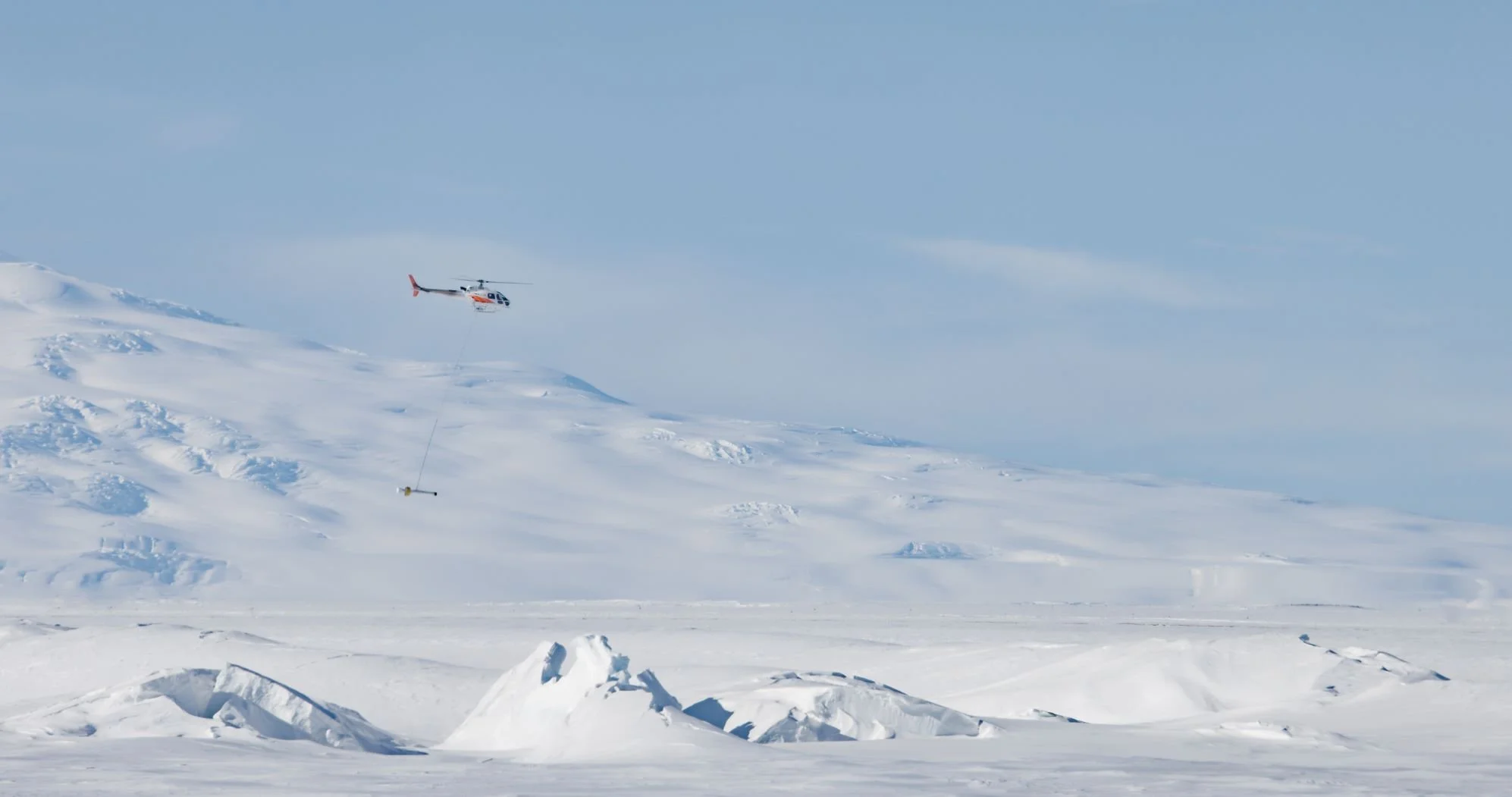
Their electromagnetic induction device, which they call the EM Bird, is suspended 20 metres below a helicopter and flown just 15 metres above the surface. It measures the thickness of the sea ice and snow.
This year, for the first time, it has been equipped with a snow radar to see if tandem technologies can more accurately calculate the thickness of the ice hidden under snow.
Associate Professor Wolfgang Rack, a glaciologist, says they know the extent of the ice from satellites, but not its thickness.
That’s too difficult to accurately measure by satellite, but the EM Bird is doing just that. It complements the satellite imagery.
It’s important to know how deep the snow is, so they can measure how thick the ice is beneath it, as that is a major factor in the global climate system.
Over winter, Antarctica doubles its size because of the huge ocean area covered with sea ice. This great expanse of white reflects sunlight to space and helps to mitigate climate warming.
The amount of sea ice also determines how much salty Antarctic bottom water is produced, a process which ventilates the global oceans, and pulls carbon down into the deep sea.
So, a change in the volume of Antarctic sea ice has consequences for global climate. If the world wants to better understand how sea ice will change in the future, it also needs to know more about the snow on top.
If Professor Rack and his team can successfully use an aircraft to measure the thickness of the ice, scientists will be able to cover much larger areas and validate satellite measurements.
That would allow researchers to take another step closer to understanding how and why the sea ice is changing and forecast global consequences.

Lisa was born in Auckland at the start of the 1970s, living in a small campsite community on the North Shore called Browns Bay. She spent a significant part of her life with her grandparents, often hanging out at the beaches. Lisa has many happy memories from those days at Browns Bay beach, where fish were plentiful on the point and the ocean was rich in seaweed. She played in the water for hours, going home totally “sun-kissed.” “An adorable time to grow up,” Lisa tells me.
Lisa enjoyed many sports; she was a keen tennis player and netballer, playing in the top teams for her age right up until the family moved to Wellington. Lisa was fifteen years old, which unfortunately marked the end of her sporting career. Local teams were well established in Wellington, and her attention was drawn elsewhere.