




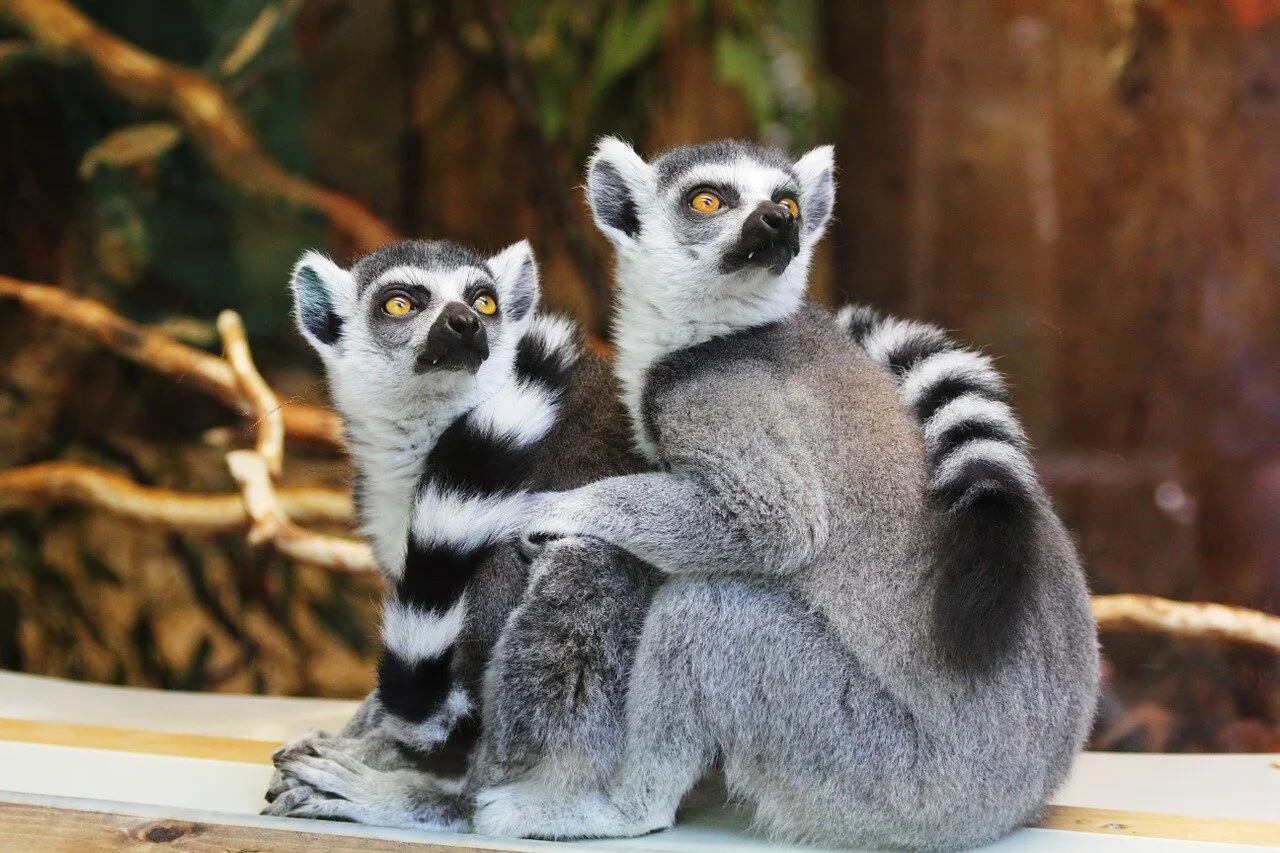
Climate change will hit endemic plants and animals hardest
Otautahi - Plants and animals that only live in one region, known as endemic species – are expected to be consistently more adversely impacted by climate change than their less specialised counterparts, new research shows.
The study, published in Biological Conservation, found that more than 90 percent of endemic species will face negative consequences, such as reduced populations, if global warming reaches 3C above pre-industrial levels.
However, it adds that invasive species are expected to see overall neutral or positive impacts from the warming climate.
This trend could allow generalist and widespread opportunists to replace endemic species, the study warns, leading to a drop in biodiversity.
Research was carried out by 11 universities around the world including the School of Environment, University of Auckland.
The study showed extinction risks at different warming levels. The risk rises to 20 percent for land-based ecosystems, and to 32 percent in marine ecosystems if warming hits 3C.
Using more than 8000 projections from scientific papers, the authors looked at the risk of climate change to species in 273 irreplaceable hotspots of exceptional biodiversity.
The study found if the planet heats up by more than 3degC, a third of endemic species on land and half of marine endemic species will be at risk of extinction, UK-based website, covering the latest developments in climate science, climate policy and energy policy, Carbon Brief says.
The findings suggest that island and mountain-dwelling species are more than six times more vulnerable to the impacts of climate change than those from mainland regions.


Lisa was born in Auckland at the start of the 1970s, living in a small campsite community on the North Shore called Browns Bay. She spent a significant part of her life with her grandparents, often hanging out at the beaches. Lisa has many happy memories from those days at Browns Bay beach, where fish were plentiful on the point and the ocean was rich in seaweed. She played in the water for hours, going home totally “sun-kissed.” “An adorable time to grow up,” Lisa tells me.
Lisa enjoyed many sports; she was a keen tennis player and netballer, playing in the top teams for her age right up until the family moved to Wellington. Lisa was fifteen years old, which unfortunately marked the end of her sporting career. Local teams were well established in Wellington, and her attention was drawn elsewhere.