




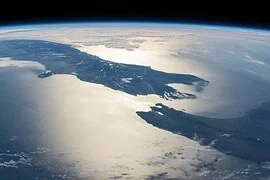
Climate changes increasing across Aotearoa – IPCC report
Otautahi - New Zealand has warmed up by 1.1cdeg and annual temperature changes have emerged above natural variability over the country in the last 110 years, according to the Intergovernmental Panel on Climate Change report just released today.
Aotearoa’s heat extremes have increased, cold extremes have decreased, and these trends are projected to continue, the report says.
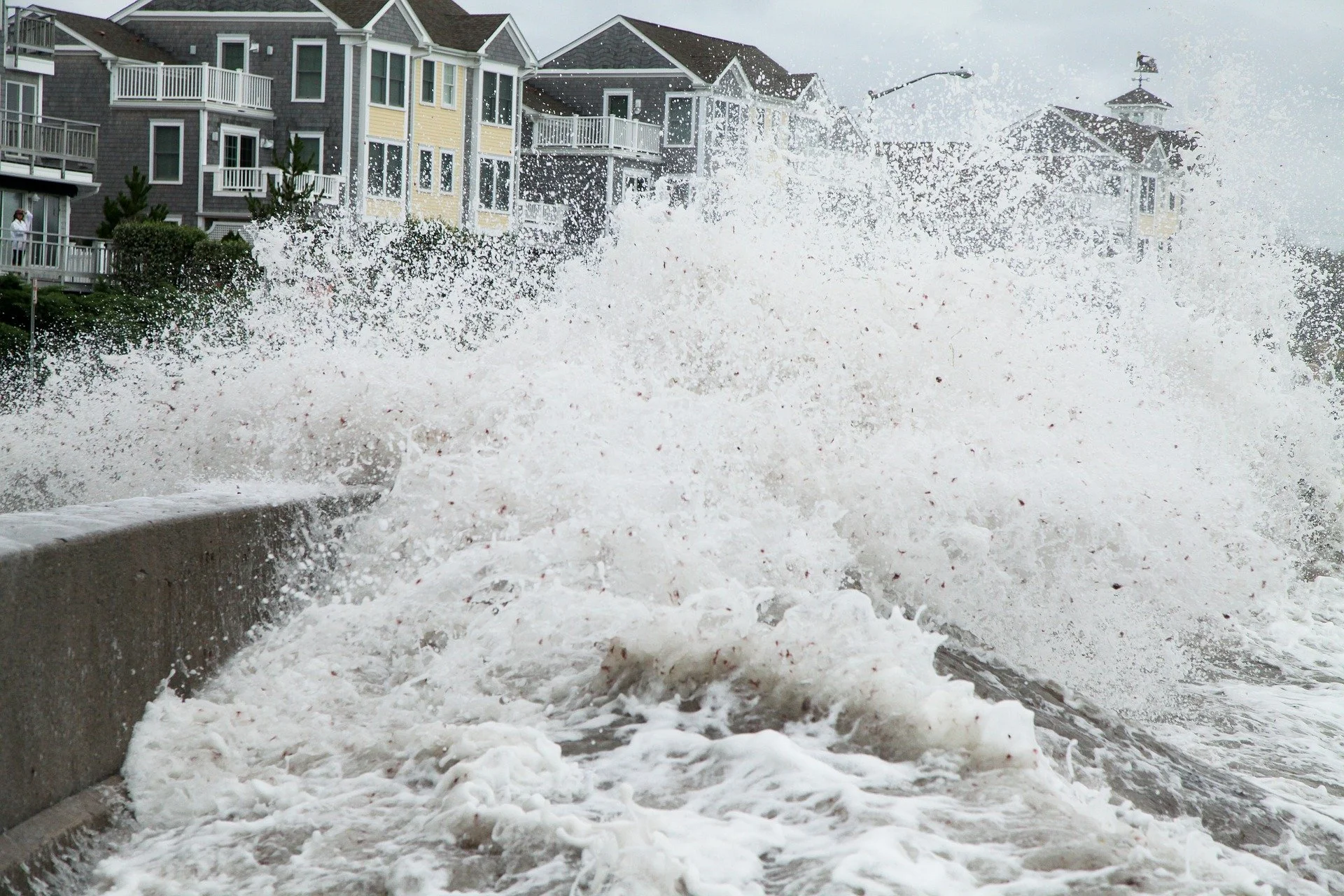
“Relative sea level rose at a rate higher than the global average in recent decades; sandy shorelines have retreated in many locations.”
Relative sea level rise is projected to continue in the 21st century and beyond, contributing to increased coastal flooding and shoreline retreat along sandy coasts throughout Australasia.
Snow cover and depth have decreased and are projected to decrease further. Frequency of extreme fire weather days has increased, and the fire season has become longer since 1950 at many locations, the report says.
The intensity, frequency and duration of fire weather events are projected to most likely increase throughout Australasia.
Heavy rainfall and river floods are projected to increase as will marine heatwaves.
The report says it expects projected increase in winter and spring rainfall in the west and south of New Zealand, with less rainfall in the east and north, and more summer rainfall in the east of both islands, with less rainfall in the west and central North Island.
Glaciers have retreated and are projected to retreat further. Rain will increase in southern New Zealand. A general increase in annual maximum precipitation even in some areas of decreased annual precipitation. Some projected changes show important seasonal differences.
Meanwhile, Borge Brende, president of the World Economic Forum, says the new report shows the recent global forest fires and floods of recent weeks delivered a clear language: the world needs to carbon in the atmosphere now.
“Extreme heat is not a future problem. It is already here. 2010 to 2019 was the hottest decade ever recorded, and temperatures will continue to rise unless dramatic action is taken. Industry is responsible for nearly a third of global emissions.”
For further information contact Make Lemonade NZ editor-in-chief Kip Brook 0275 030188


Lisa was born in Auckland at the start of the 1970s, living in a small campsite community on the North Shore called Browns Bay. She spent a significant part of her life with her grandparents, often hanging out at the beaches. Lisa has many happy memories from those days at Browns Bay beach, where fish were plentiful on the point and the ocean was rich in seaweed. She played in the water for hours, going home totally “sun-kissed.” “An adorable time to grow up,” Lisa tells me.
Lisa enjoyed many sports; she was a keen tennis player and netballer, playing in the top teams for her age right up until the family moved to Wellington. Lisa was fifteen years old, which unfortunately marked the end of her sporting career. Local teams were well established in Wellington, and her attention was drawn elsewhere.