




UK must adapt to climate change now, report warns
London - The UK faces more deaths, higher costs and greater disruption if preparations to adapt to climate change aren't taken now, according to a new report.
Biodiversity loss, extreme heat and power failure are among the serious risks the country faces this century from rising temperatures, which will grow more serious the longer action is delayed.
The risks of climate change to the UK are growing, the government's climate advisors say, as they call for action to adapt to a warmer future.
The Climate Change Committee said that found 61 ways where the UK will be impacted by rising temperatures in the coming decades, with eight set to cost over £1 billion a year each by 2050.
Calling for preparations to begin immediately, the committee's report says new evidence shows that the gap between the level of risk we face and the level of adaptation underway has widened. Adaptation action has failed to keep pace with the worsening reality of climate risk.
The UK has the capacity and the resources to respond effectively to these risks, yet it has not done so. Acting now will be cheaper than waiting to deal with the consequences.
Summers reaching temperatures of more than 35⁰C are likely to be commonplace by the 2050s at the current rate of global warming.
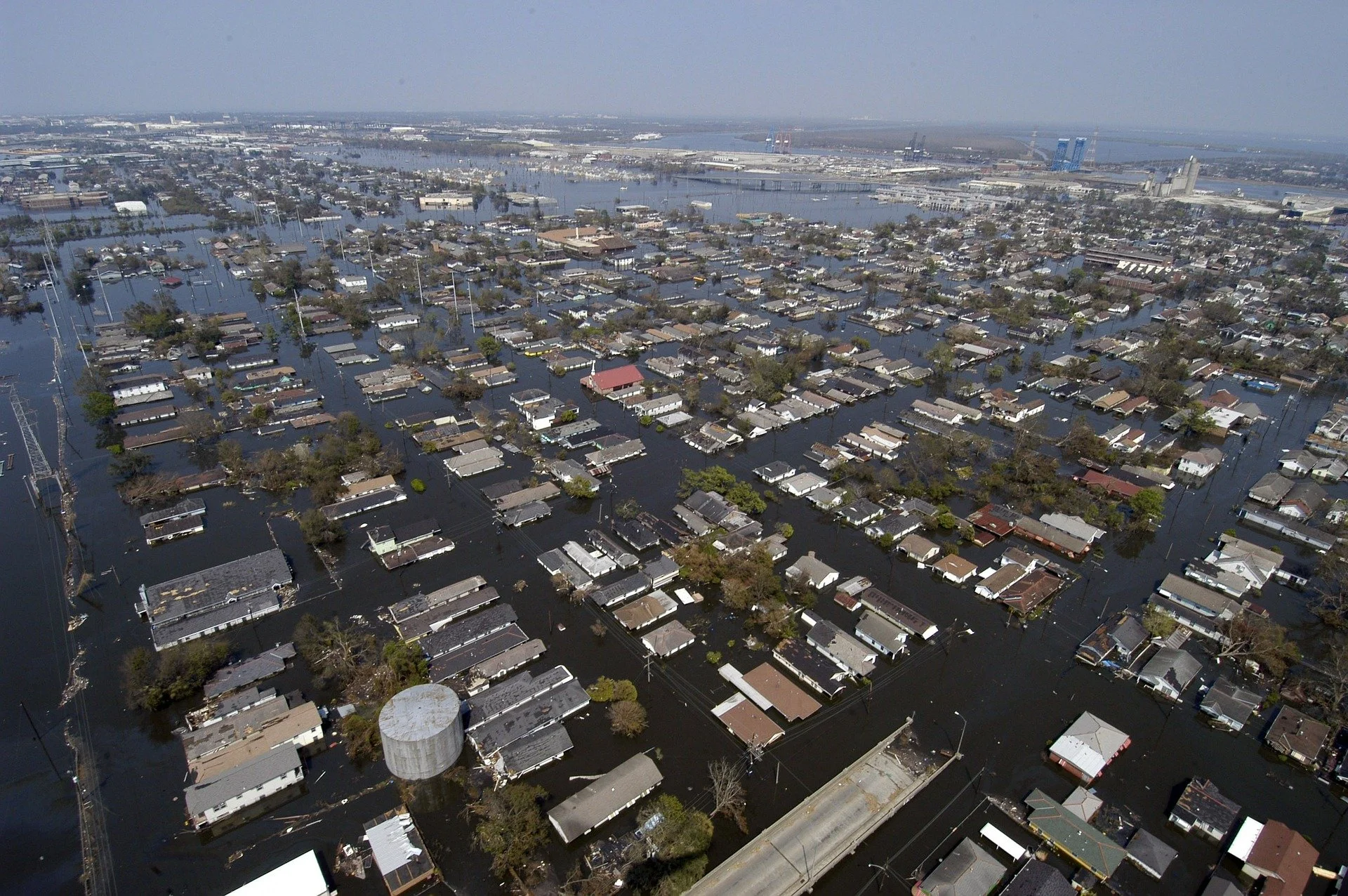
Many of the identified risks are already beginning to make themselves known. Sea levels around the UK have already risen by 6.5 centimetres since the 1990s, putting homes and low-lying habitats at risk. By 2050, this rise may be up to five times as high.
Temperatures are also rising, with the summers that are currently the hottest on record likely to become commonplace in the next 30 years. A 2021 study found that extreme heat is currently responsible for around one percent of global deaths, and that percentage is increasing.
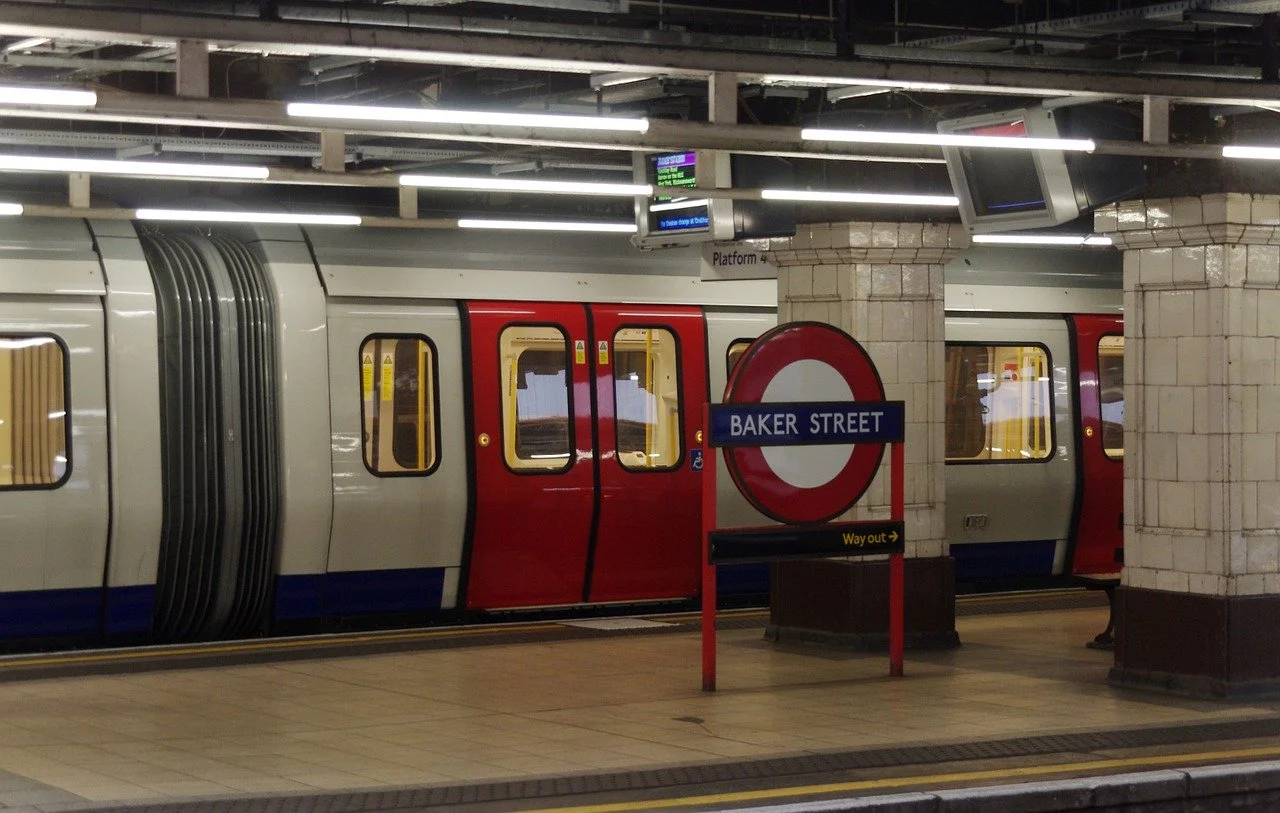
The London Underground will probably become too hot for comfort even if steps to cool it down are taken. Homes, schools and hospitals are also among the buildings that are not well adapted to rising temperatures.



Lisa was born in Auckland at the start of the 1970s, living in a small campsite community on the North Shore called Browns Bay. She spent a significant part of her life with her grandparents, often hanging out at the beaches. Lisa has many happy memories from those days at Browns Bay beach, where fish were plentiful on the point and the ocean was rich in seaweed. She played in the water for hours, going home totally “sun-kissed.” “An adorable time to grow up,” Lisa tells me.
Lisa enjoyed many sports; she was a keen tennis player and netballer, playing in the top teams for her age right up until the family moved to Wellington. Lisa was fifteen years old, which unfortunately marked the end of her sporting career. Local teams were well established in Wellington, and her attention was drawn elsewhere.