




Free app and website helps people age better
Tauranga - A Bay of Plenty app and website are being launched to help Kiwis stay stronger for longer and add life to their years.
The free and easy to use digital service, called LifeCurve, helps older adults stay active and independent and is based on international research about ageing.
Users can take the LifeCurve quiz to map how they are ageing based on their ability to do 19 everyday activities such as reaching their toes to cut their toenails, walking up and down stairs or cooking a hot meal.
They can then receive a personalised results package with movement routines and hints and tips on how to age better, stay active and improve their position on the LifeCurve.
Users can also choose a particular goal such as taking care, manage everyday tasks and improve strength to receive personalised advice based on research and knowledge from physiotherapists and occupational therapists.
LifeCurve can be used by anyone in New Zealand. An earlier version of the app was launched last year the LifeCurve team at Te Whatu Ora knew they more work had to be done on it.
Project Lead Kathy Everitt says they have been working in partnership with Māori through Te Pare ō Toi and a local Te Ao Māori focus group for the last several months to ensure that adaptations to the new app are in line with a Māori view.
Research shows people can make a difference to how we age and that getting older does not have to mean losing abilities or independence, Everitt says.
“It’s about changing our attitudes to ageing no matter what age we are, small changes like adding more movement into our lives can make a big difference.”
The LifeCurve is based on Newcastle University research around age-related functional decline and has been in use in the United Kingdom since 2018.
The research proves that ageing does not have to mean losing your abilities, as ageing is only 20% genetic.
Photo: Kathy Everitt of LifeCurve
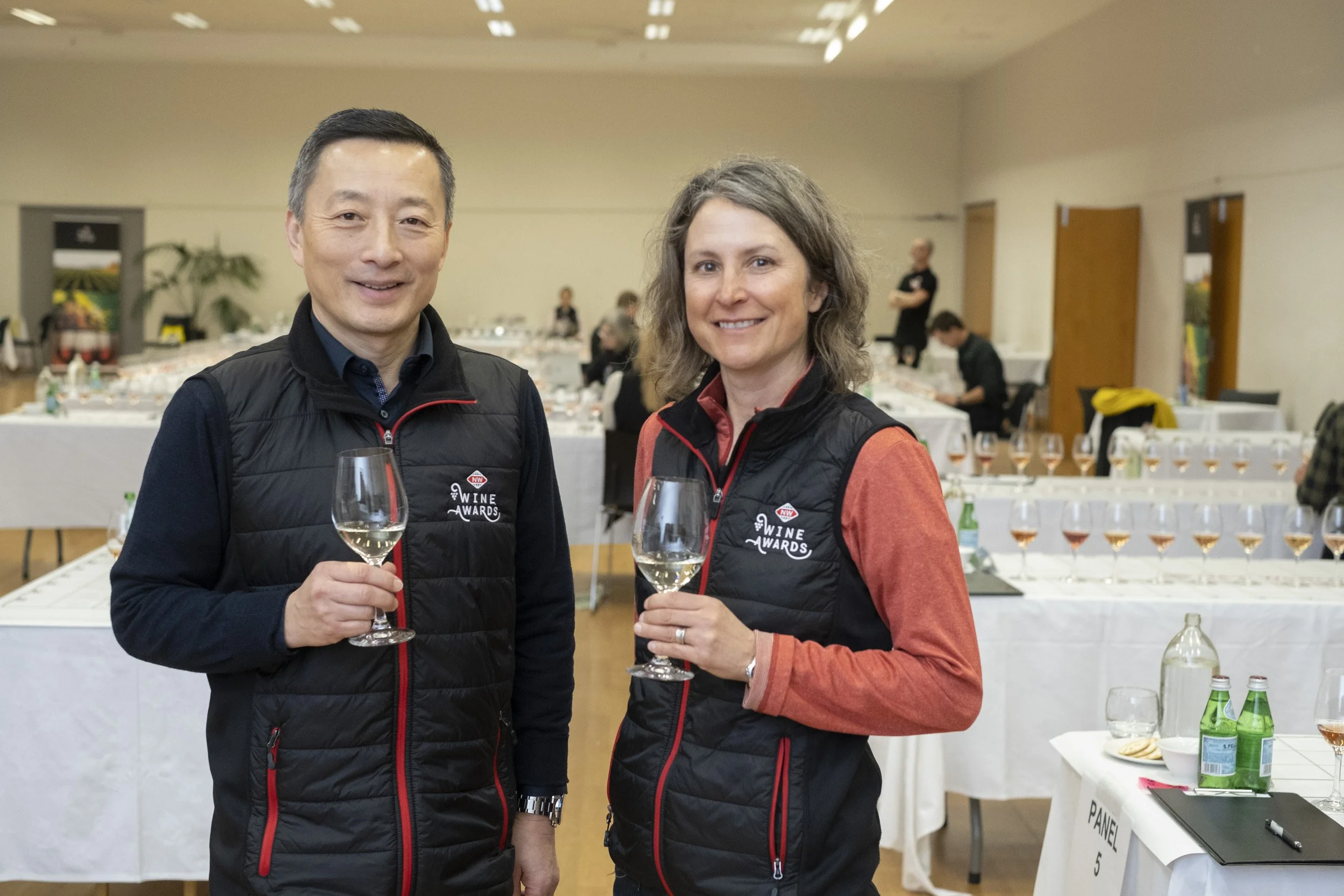



Lisa was born in Auckland at the start of the 1970s, living in a small campsite community on the North Shore called Browns Bay. She spent a significant part of her life with her grandparents, often hanging out at the beaches. Lisa has many happy memories from those days at Browns Bay beach, where fish were plentiful on the point and the ocean was rich in seaweed. She played in the water for hours, going home totally “sun-kissed.” “An adorable time to grow up,” Lisa tells me.
Lisa enjoyed many sports; she was a keen tennis player and netballer, playing in the top teams for her age right up until the family moved to Wellington. Lisa was fifteen years old, which unfortunately marked the end of her sporting career. Local teams were well established in Wellington, and her attention was drawn elsewhere.