




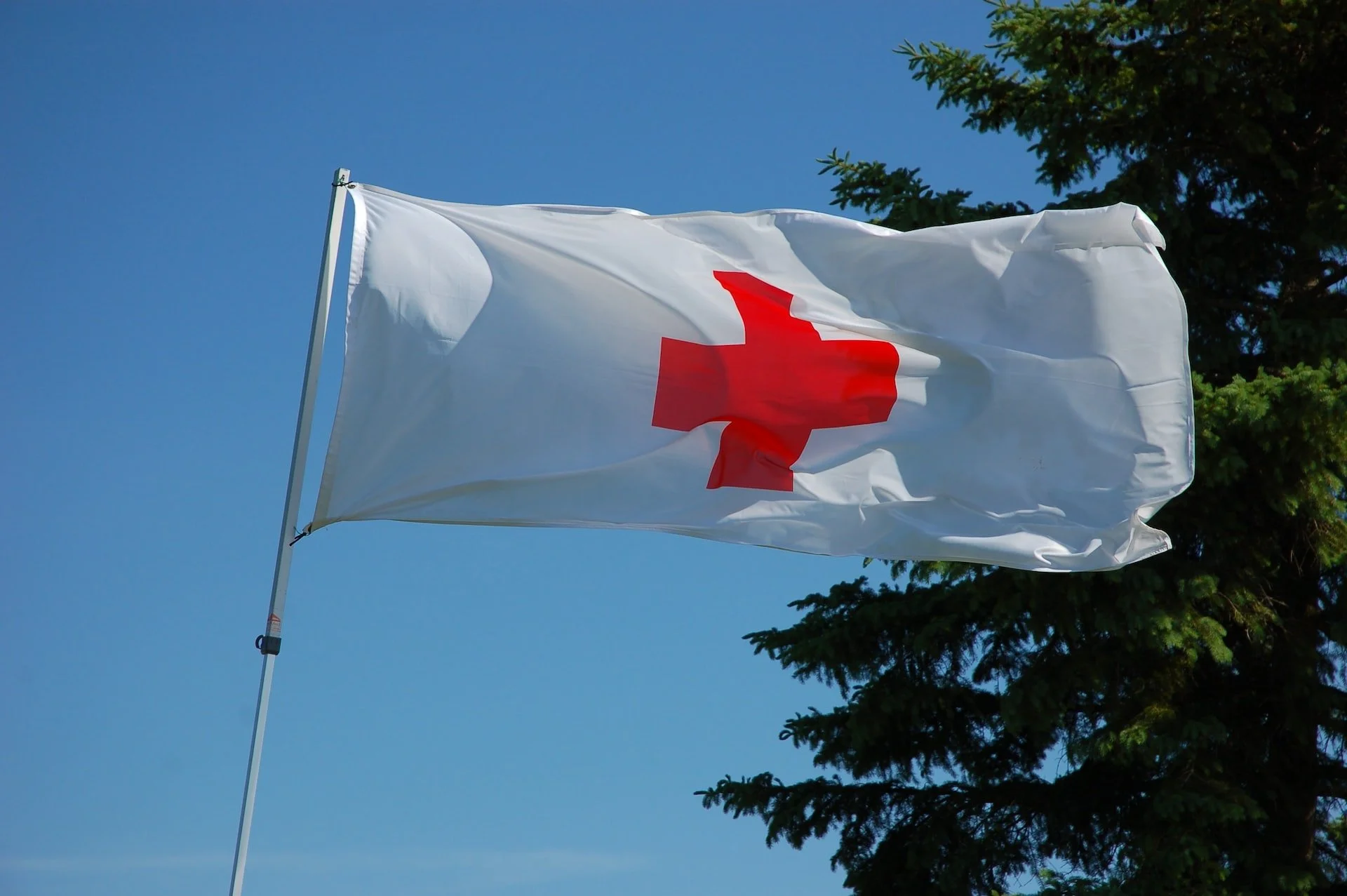
NZ Red Cross explains complex migration issues
Te Whanganui a Tara - The emergency humanitarian intake of people to Aotearoa resulting from the crises in Ukraine and Afghanistan has led New Zealand Red Cross to update its humanitarian migration report.
Those crises and subsequent arrival of people on special visas have proven the growing need for strong, evidence-based approaches to migration.
The humanitarian migration report is the only comprehensive overview of humanitarian issues across the migration sector in New Zealand this year.
In addition to describing a range of visa and migration categories, the report delves into emerging migration issues including people forced to migrate due to climate events, public perceptions on migrants, and challenges they face in emergencies and disasters.
A foreword to the report has been written by Madiha Ali, a member of New Zealand Red Cross’ migration advisory group. She says change is possible when voices are heard and she believes NZ can bring about change.
New Zealand Red Cross general manager, migration, Sue Price released the report at the Aotearoa refugee hui at parliament today.
She says New Zealand Red Cross has worked with refugees since the arrival of the Polish children in 1944 and we continue to be a leader in the sector.
The humanitarian migration report is a crucial part of our work and Red Cross says it is pleased to be able to share this knowledge with everyone interested in the protection of people who are at any point on a migration journey.
The report, now in its second edition, covers a wide range of current and emerging humanitarian migration categories and issues. Each of the 11 chapters gives the global and domestic context, discusses key organisations working in the area and notes needs and gaps.
In addition, there are a series of additional spotlights on key migration issues from the previous year, such as the 2022 special Ukraine visa, Te Ao Māori approaches to migration and the Australia-New Zealand deal on processing asylum seekers from offshore detention sites.
Drawing from New Zealand Red Cross expertise in refugee settlement, the report gives a thorough, yet accessible, overview which will be of use to journalists, NGOs, policy advisors and students looking for an introduction to key migration topics.
Photo: NZRC general manager, migration, Sue Price and senior advisor, policy, Murdoch Stephens




Lisa was born in Auckland at the start of the 1970s, living in a small campsite community on the North Shore called Browns Bay. She spent a significant part of her life with her grandparents, often hanging out at the beaches. Lisa has many happy memories from those days at Browns Bay beach, where fish were plentiful on the point and the ocean was rich in seaweed. She played in the water for hours, going home totally “sun-kissed.” “An adorable time to grow up,” Lisa tells me.
Lisa enjoyed many sports; she was a keen tennis player and netballer, playing in the top teams for her age right up until the family moved to Wellington. Lisa was fifteen years old, which unfortunately marked the end of her sporting career. Local teams were well established in Wellington, and her attention was drawn elsewhere.