




Decarbonisation industry milestone reached in Timaru
Te Tihi-o-Maru - The government’s investment in decarbonising industry programme has reached a major milestone with the completion of McCain’s boiler conversion project.
The climate-friendly boiler will have climate savings equating to taking 11,000 cars off the road.
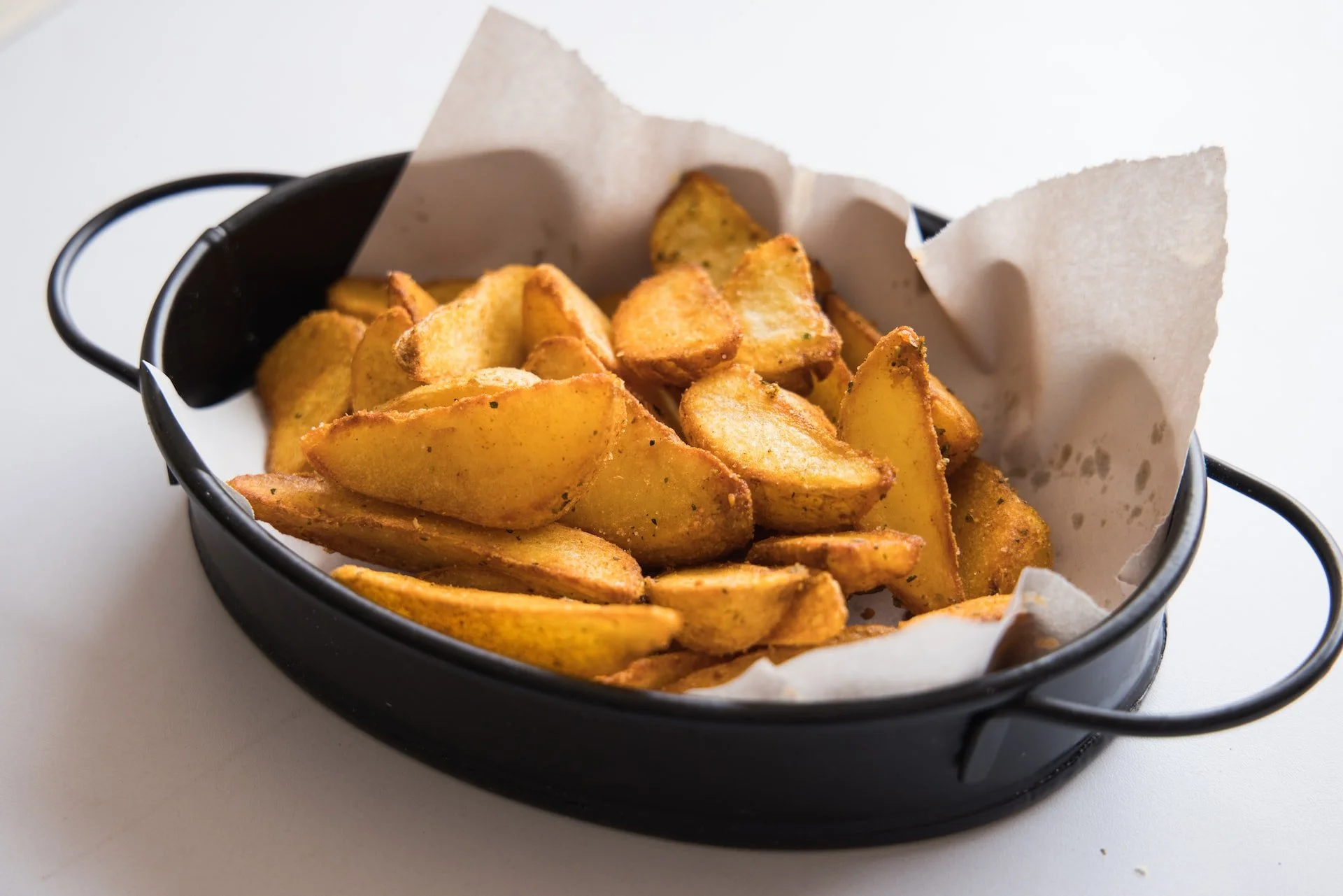
the pioneering boiler conversion project is now up and ready to go, using woodchips to make potato chips, while slashing emissions.
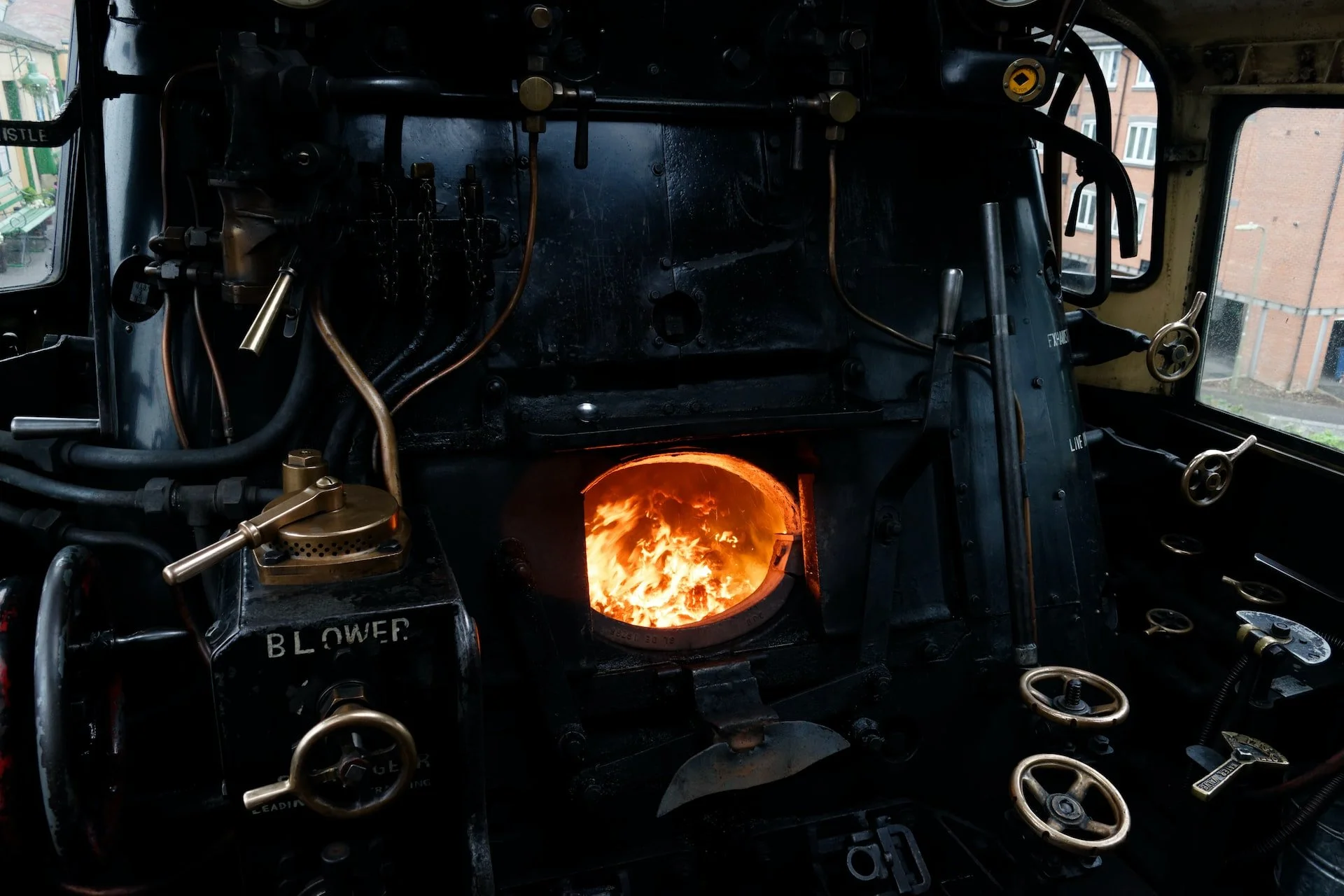
McCain’s newly converted coal boiler will reduce CO2 emissions at its Timaru factory by 95 percent and is an excellent example of the great climate gains we can achieve through new and innovative technology.
By converting their coal boiler to burn domestically sourced woodchips, made possible by Government co-funding, McCain will reduce carbon emissions by approximately 30,000 tonnes per year.
McCain’s $5.6 million conversion project received $2,876,500 of contestable funding from the government investment in decarbonising industry fund.
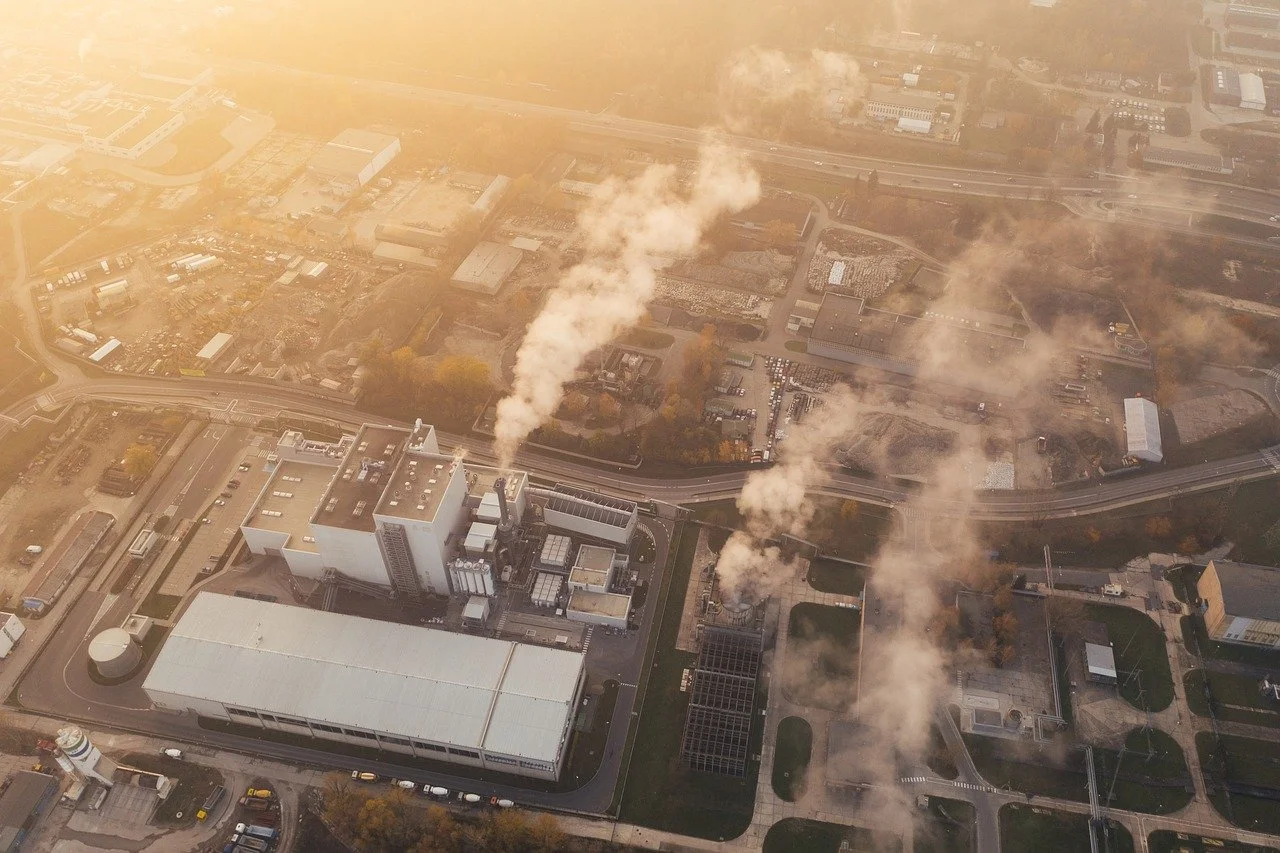
The energy and industry sectors make up 27 percent of our total emissions. Aotearoa must keep decarbonising as fast as possible to keep up with the direction the world is moving in.
McCain Timaru has also implemented a heat recovery system, using mechanical vapour recompression, to reduce steam demand, a first for this industry in New Zealand.
The technology recovers waste heat from the fryer for use elsewhere in the facility and will reduce total energy consumption and fuel use by more than 37,000 GJ/year, which is roughly equivalent to the electricity used by 1400 households.
The current funding round runs March 2 next year, with application forms on EECA’s website.
New Zealand is making good progress have we made on stopping the combustion of fossil fuels in the open air. But has the country reduced emissions from many or barely a few in food production?


Lisa was born in Auckland at the start of the 1970s, living in a small campsite community on the North Shore called Browns Bay. She spent a significant part of her life with her grandparents, often hanging out at the beaches. Lisa has many happy memories from those days at Browns Bay beach, where fish were plentiful on the point and the ocean was rich in seaweed. She played in the water for hours, going home totally “sun-kissed.” “An adorable time to grow up,” Lisa tells me.
Lisa enjoyed many sports; she was a keen tennis player and netballer, playing in the top teams for her age right up until the family moved to Wellington. Lisa was fifteen years old, which unfortunately marked the end of her sporting career. Local teams were well established in Wellington, and her attention was drawn elsewhere.