




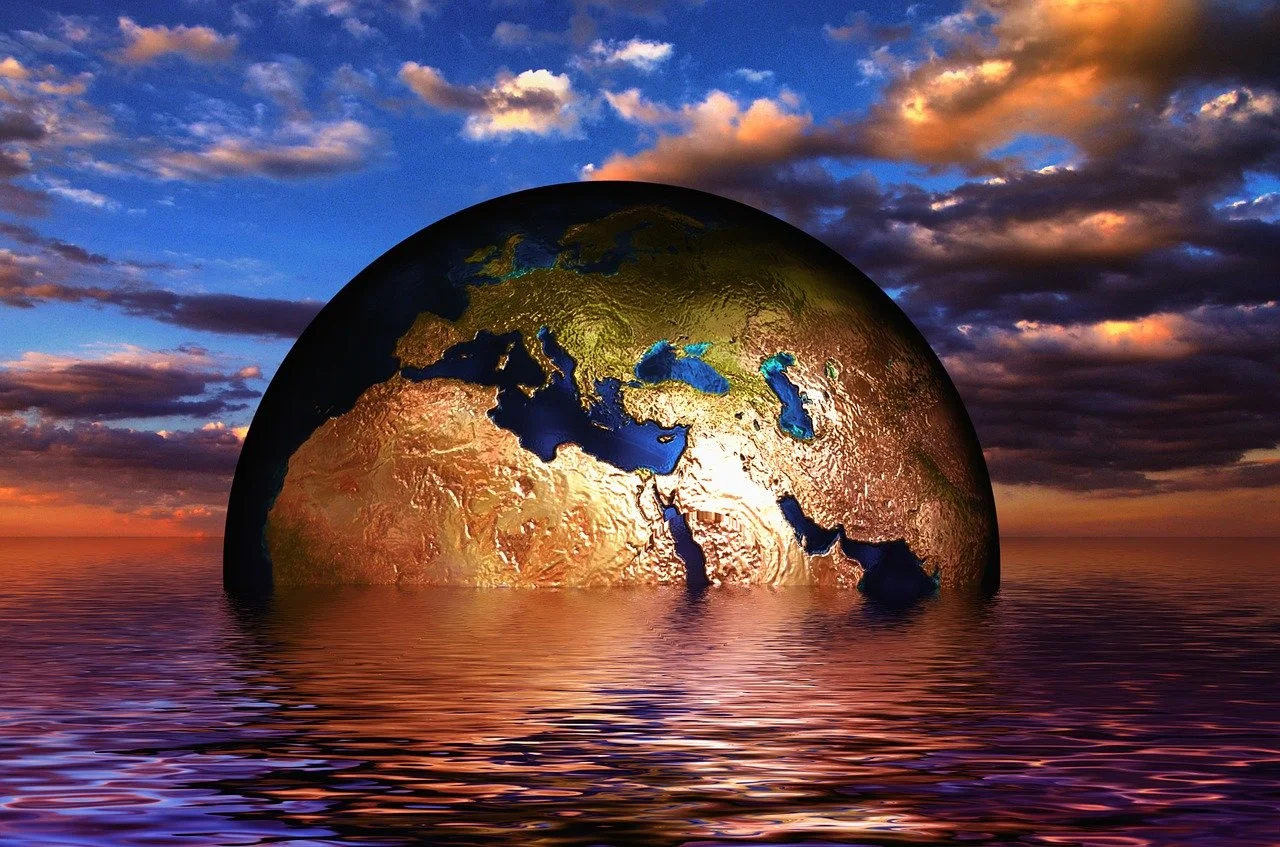
2015 Paris Climate Agreement goal still within reach
Tamaki Makaurau - A new study suggests the 2015 Paris Climate Agreement goal is still within reach, while apocalyptic, worst-case scenarios are no longer plausible.
The Paris Climate Agreement goal to limit global warming this century to 2Cdeg over pre-industrial temperatures is still within reach, while, worst-case scenarios are no longer plausible, suggests a new Colorado University analysis.
This is cautiously optimistic good news with respect to where the world is today, compared to where it could be. The 2Cdeg target from Paris remains within reach.
In order to explore and plan for possible futures, the climate research community uses scenarios: forecasts of how the future might evolve based on factors such as projected greenhouse gas emissions and different possible climate policies.
The most commonly used scenarios were developed by the IPCC starting in 2005. The shared socioeconomic pathways (SSPs) that followed, starting in 2010, were meant as an update.
The new study looked at 1311 climate scenarios and issues such as fossil fuel and carbon dioxide emissions growth rates most consistent with real-life observations from 2005 to 2020.
The number of scenarios which most closely matched up to data from the past 15 years and subsequent emissions projections ranged from less than 100 to almost 500, depending upon the method applied.
These scenarios represent what futures are plausible if current trends continue and countries adopt the climate policies, they have already announced to reduce carbon emissions.
The analysis joins a growing consensus of independent groups around the world whose work finds that the most extreme climate scenarios are unlikely to occur this century, and mid-range scenarios are more likely.
A report from the IPCC sixth assessment report released last year says the likelihood of high emissions scenarios is considered low.
Renewable energy has become more affordable and more common faster than expected. The fast-moving changes are captured in the scenarios drafted by experts following climate change.
Climate scenarios also tend to over-estimate economic growth, especially in poorer countries.
It's hard to overstate how much climate research has focused on older scenarios which are looking less plausible each year.
Relying on not only outdated scenarios, but scenarios which are no longer plausible, for research and policy has big implications for how people think about, act and spend money on climate change issues.
There's a need for the scenarios to be updated more frequently, the Colorado researchers say. They stress that the 2Cdeg of warming will still take a dramatic toll on the planet, and this is no time for complacency.

Lisa was born in Auckland at the start of the 1970s, living in a small campsite community on the North Shore called Browns Bay. She spent a significant part of her life with her grandparents, often hanging out at the beaches. Lisa has many happy memories from those days at Browns Bay beach, where fish were plentiful on the point and the ocean was rich in seaweed. She played in the water for hours, going home totally “sun-kissed.” “An adorable time to grow up,” Lisa tells me.
Lisa enjoyed many sports; she was a keen tennis player and netballer, playing in the top teams for her age right up until the family moved to Wellington. Lisa was fifteen years old, which unfortunately marked the end of her sporting career. Local teams were well established in Wellington, and her attention was drawn elsewhere.