





Imports for NZ widen account deficit
Te Whanganui-a-Tara - New Zealand’s seasonally adjusted account deficit has widened to $6.5 billion in the December 2021 quarter, from $4.7 billion in the previous quarter, Stats NZ says.
The current account deficit was wider than the previous quarter mainly due to an increase in the value of goods and services imports, up $1.5 billion (6.7 percent) to $24.5 billion.
Goods and services exports increased at a slower rate, up $20 million to $20.3 billion.
In the December 2021 quarter, compared with the September 2021 quarter, the seasonally adjusted goods deficit widened by $417 million to $2.3 billion.
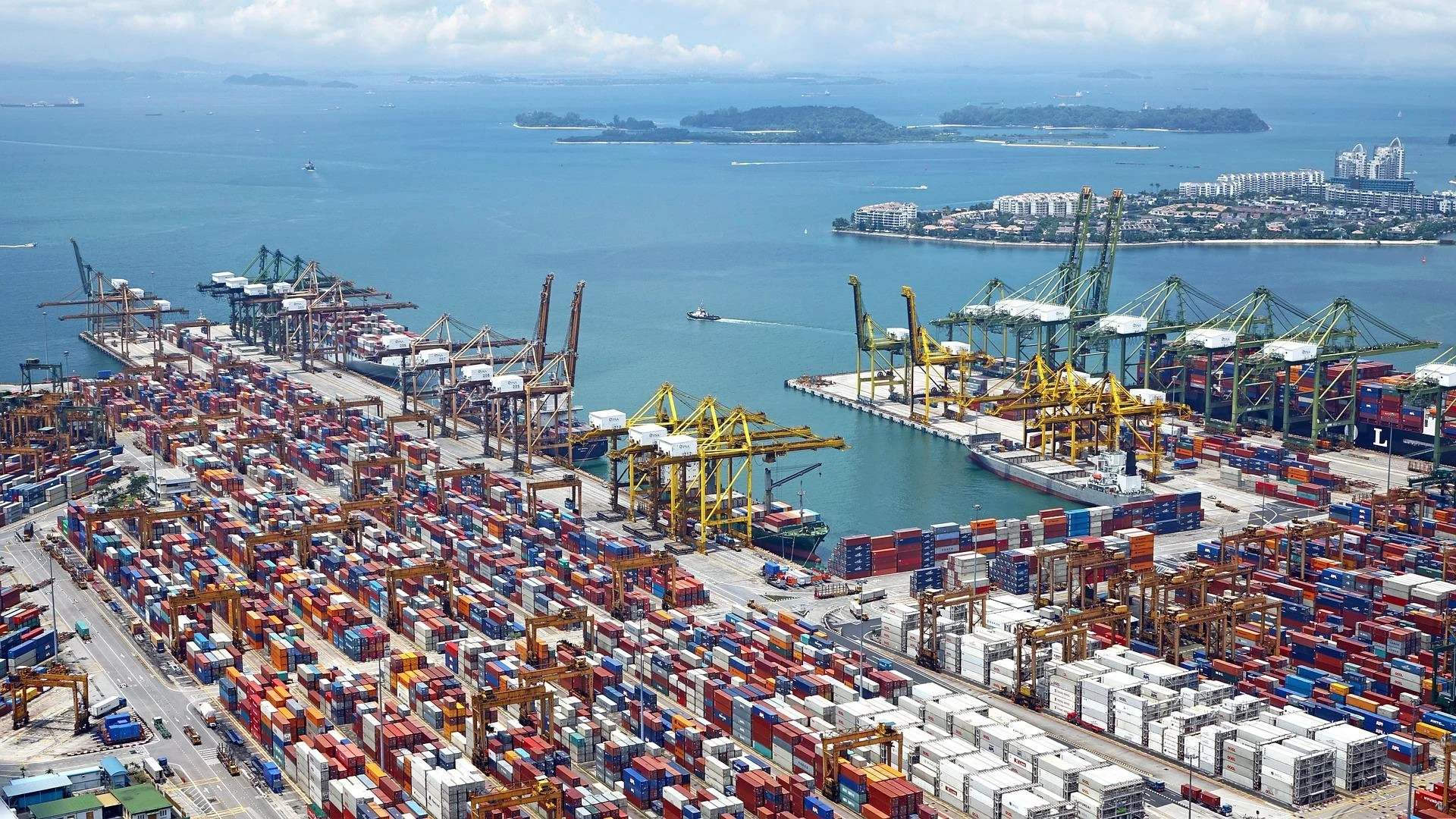
Goods imports rose by $926 million (up 5.1 percent) to $19.0 billion.
The value of imports has continued to grow in recent quarters due to strong ongoing domestic demand for imported goods, and rising prices and transport costs internationally.
In the December 2021 quarter, the value of New Zealand’s goods imports was $19 billion, compared with $12.5 billion in the June 2020 quarter.
While the demand for goods has been strong during covid, production in some industries slowed globally, resulting in supply shortages and price increases for many goods. In the December 2021 quarter, the price of goods imports rose 3.8 percent, while the volume of goods imported fell 0.9 percent.
The rise in the value of goods imports was widespread across many items, including transport equipment, crude oil, and fertiliser.
In the December 2021 quarter, the value of seasonally adjusted goods exports rose by $509 million to $16.7 billion. The rise was driven by an increase for milk powder, butter and cheese, mechanical machinery and equipment, and aluminium. The rise in exports was partially offset by a fall in the export of logs.
In the December 2021 quarter, New Zealand’s seasonally adjusted services deficit widened by $1.1 billion to $1.9 billion.
Services imports rose by $616 million to $5.4 billion, and services exports fell by $489 million to $3.6 billion.
In the December 2021 quarter, seasonally adjusted transport services imports rose by $196 million to $1.5 billion.
New Zealand financial liabilities to overseas investors increased by $12.2 billion. Financial account transactions of $10.6 billion accounted for most of the change in the level of liabilities.




Lisa was born in Auckland at the start of the 1970s, living in a small campsite community on the North Shore called Browns Bay. She spent a significant part of her life with her grandparents, often hanging out at the beaches. Lisa has many happy memories from those days at Browns Bay beach, where fish were plentiful on the point and the ocean was rich in seaweed. She played in the water for hours, going home totally “sun-kissed.” “An adorable time to grow up,” Lisa tells me.
Lisa enjoyed many sports; she was a keen tennis player and netballer, playing in the top teams for her age right up until the family moved to Wellington. Lisa was fifteen years old, which unfortunately marked the end of her sporting career. Local teams were well established in Wellington, and her attention was drawn elsewhere.