





50 New Zealand projects fast-tracked
Te Papa-i-Oea - Three more projects have been approved under the government’s fast-track consenting process, bringing the number of projects eligible to apply for resource consent to 50.
The Aotearoa covid recovery fast-track system is a key lever to grow the economy, boost jobs, speed up infrastructure development and improve environmental outcomes in response to the economic impacts of the pandemic.
The three latest projects are the residential accommodation development on Waimarie Street, St Heliers, Auckland; Flint’s Park West medium-density housing development in the Lake Hayes area; and Te Rere Hau windfarm near Palmerston North.
The windfarm repowering project will redevelop and expand the existing Te Rere Hau wind farm in the Tararua range south-east of Te Papa-i-Oea (Palmerston North).
The project will involve removing 97 existing two-blade, 47-metre-high turbines, installing 30 new three-blade, 162-metre-high turbines and constructing associated infrastructure.
To date, the 50 projects referred for approval cover 13 of New Zealand’s 16 regions. This includes projects from Northland to Wellington and from Taranaki to Bay of Plenty, as well as in Nelson, Canterbury, Otago and Southland.
They have the potential to create more than 18,000 jobs and build 8772 houses. Seventeen of the 50 projects approved under the fast-track legislation have now obtained consent from an expert panel.
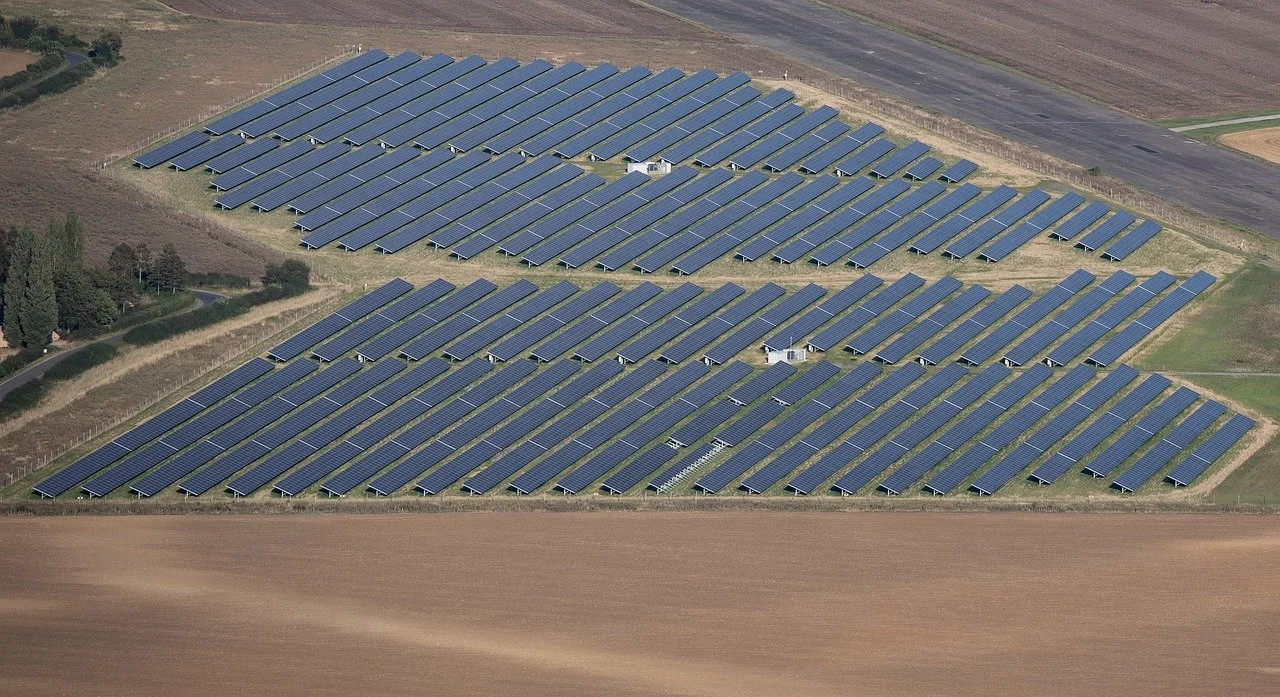
These projects are focused on housing, but also include: the Tauhei Solar Farm (Te Aroha); the Ohinewai Foam Factory; the new Whakatane boat harbour; the Hananui aquaculture project (Foveaux Strait); the new Dunedin hospital and various other projects expected to promote employment across the regions.
The fast-track process allows for a shorter consenting process that can boost employment and economic recovery but does not replace or circumvent the environmental tests under the Resource Management Act 1991 and is designed to ensure Treaty of Waitangi and Treaty settlement obligations are maintained.
Approval for projects under the fast-track consenting process provides a significant reduction in the time taken to apply for resource consents as well as provide the job and economic benefits that the act was designed to provide.
Applicants using the fast-track process have saved, on average, 15 months per project.



Lisa was born in Auckland at the start of the 1970s, living in a small campsite community on the North Shore called Browns Bay. She spent a significant part of her life with her grandparents, often hanging out at the beaches. Lisa has many happy memories from those days at Browns Bay beach, where fish were plentiful on the point and the ocean was rich in seaweed. She played in the water for hours, going home totally “sun-kissed.” “An adorable time to grow up,” Lisa tells me.
Lisa enjoyed many sports; she was a keen tennis player and netballer, playing in the top teams for her age right up until the family moved to Wellington. Lisa was fifteen years old, which unfortunately marked the end of her sporting career. Local teams were well established in Wellington, and her attention was drawn elsewhere.