




Supporting communities to prepare for climate impacts
Te Whanganui-a-Tara - From today New Zealanders can have their say on a proposed national adaptation plan to help communities across the country adapt to the impacts of climate change.
Aotearoa will soon have a plan to bring down our emissions and help prevent the worst effects of climate change, but we must also support communities already being hit by more extreme and more frequent weather events.
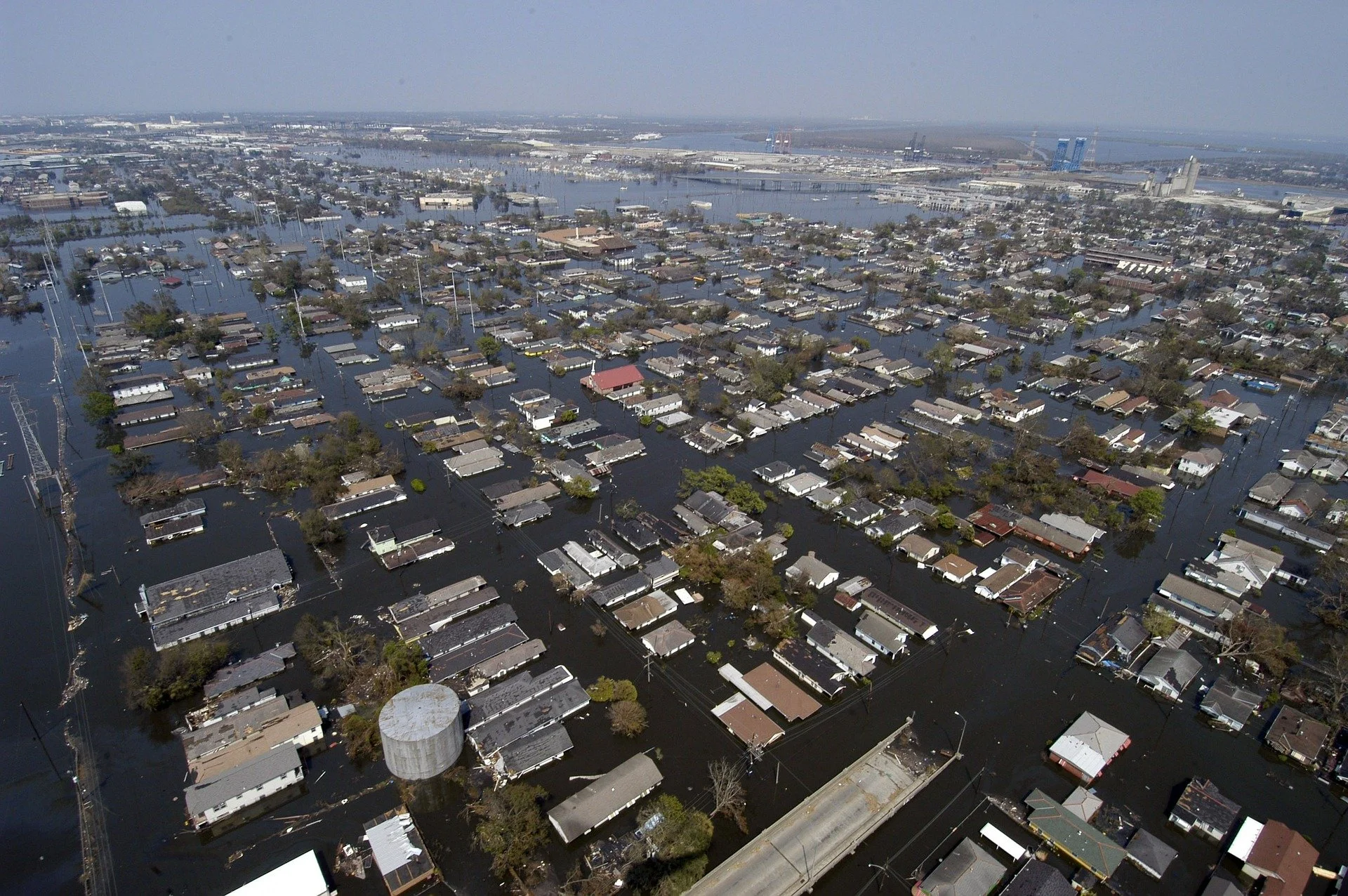
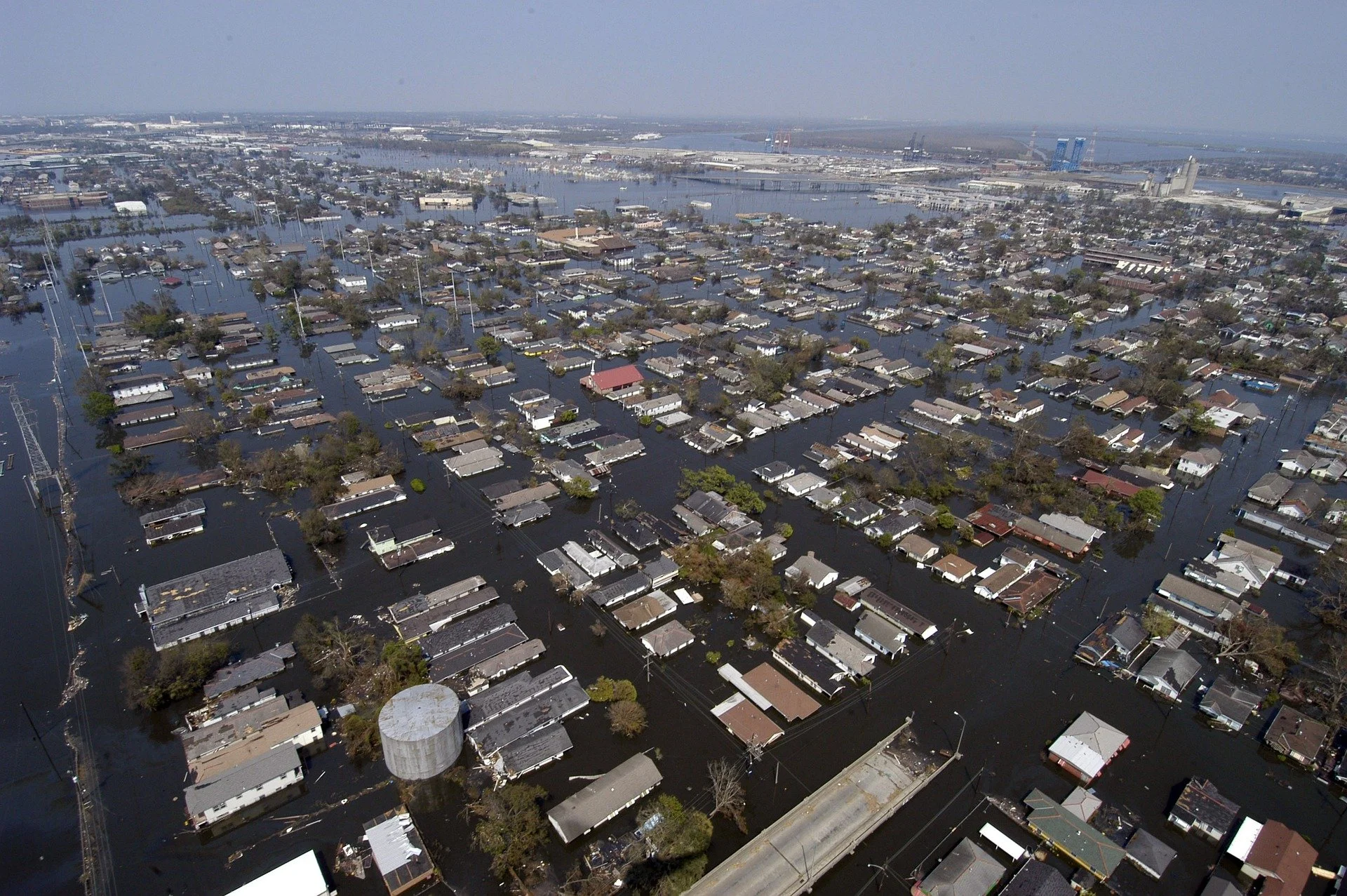
In the last few months New Zealand has seen massive floods, such as those in Tairawhiti; storms, such as those experienced recently in Westport; fires in the Waituna wetlands in Southland; and droughts right across the country.
How badly will New Zealand be affected by climate change? Sea level rise is caused by melting of the polar ice caps, as well as expansion of ocean water as it warms.
In New Zealand, the sea may rise by up to a metre by the end of the century. This will mean more coastal erosion and flooding, which will damage homes and infrastructure like pipes and roads. Flooding is a major issue.
These events demonstrate the case for urgent action on climate change. This is action to protect lives, incomes, homes, businesses and infrastructure.
Climate effects are also known to increase existing inequalities for Māori, Pasifika, women, disabled people, youth, older people, and low-income groups.
The draft national adaptation plan outlines the actions to be taken in the next six years to respond to the priority climate-related risks identified in the 2020 national climate change risk assessment.
The consultation asks how best to share risks and costs between property and asset owners, insurers, banks and local government, as well as central government.
It also asks for views on managed retreat and flood insurance, to ensure a joined-up approach to climate change adaptation.
The public can read the draft national adaptation plan and see the consultation document here.



Lisa was born in Auckland at the start of the 1970s, living in a small campsite community on the North Shore called Browns Bay. She spent a significant part of her life with her grandparents, often hanging out at the beaches. Lisa has many happy memories from those days at Browns Bay beach, where fish were plentiful on the point and the ocean was rich in seaweed. She played in the water for hours, going home totally “sun-kissed.” “An adorable time to grow up,” Lisa tells me.
Lisa enjoyed many sports; she was a keen tennis player and netballer, playing in the top teams for her age right up until the family moved to Wellington. Lisa was fifteen years old, which unfortunately marked the end of her sporting career. Local teams were well established in Wellington, and her attention was drawn elsewhere.