




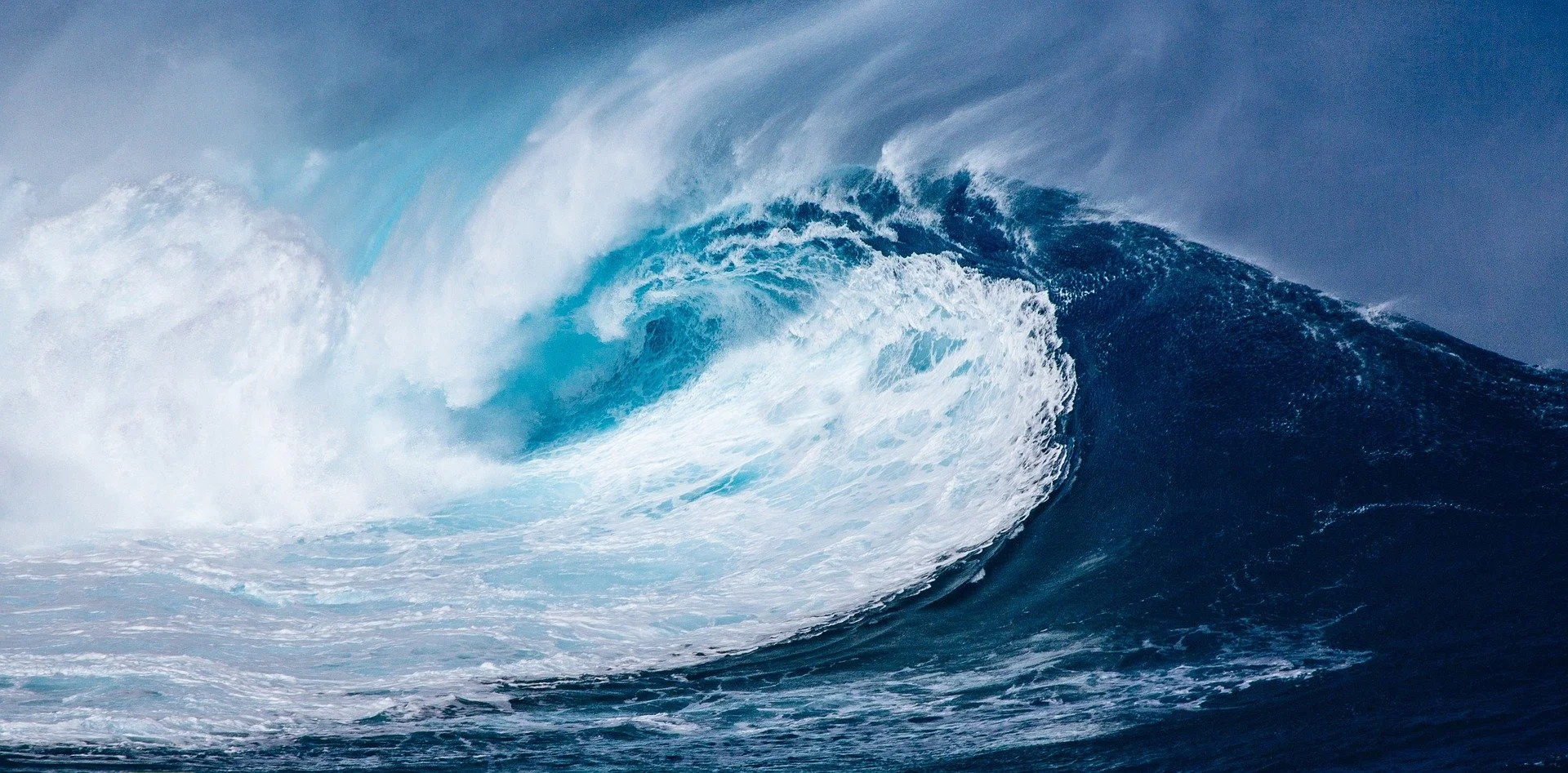
High pressure dominates but more large waves due mid-week
Ōtautahi- Large southwest swells battered exposed coasts over the weekend, including south facing coasts in Wellington and Wairarapa where seven metre waves damaged some coastal roads.
MetService is forecasting another period of large south to southwest swell waves to affect southern and eastern coasts of New Zealand on Wednesday and Thursday, which will likely result in further warnings being issued, including for Wellington’s south coast.
In addition, the Chatham Islands could once again see waves approaching 10 metres tomorrow and Thursday, along with a period of southwest gales.
MetService says the swell waves are being generated by a large area of southwest gales that is blowing over the Southern Ocean between New Zealand and Antarctica.
These large swell waves have the potential to cause coastal inundation and erosion of the shores, especially around high tide. Beach users and boaties are advised to exercise caution as these unusually high swell waves will be hazardous.
Above the ocean surface, a large slow-moving area of high pressure over the Tasman Sea directs a southwest flow over the country for much of the week.
Strong southwest winds about coastal parts of Southland and Otago spread to eastern areas as far north as East Cape for a time tomorrow or Thursday following the passage of a weak front.
Although showers are mostly confined to southern and western regions this week, they are also expected to move into eastern areas for a time as winds turn more southerly following the front.
A weak cold front that is forecast to move northwards over the South Island tomorrow may provide another dusting of snow down to 600 metres over southern New Zealand, which may affect a few higher roads. With only one week to go until the start of winter it’s unusual that we’re still waiting for the first big snow dump of the year.
By the end of the working week the high finally spreads over New Zealand, bringing light winds and settled weather to most regions.
Frosty mornings are going to be the norm in places sheltered from the south to southwest winds, especially inland parts of both islands where temperatures around minus 3Cdeg are likely around dawn.


Lisa was born in Auckland at the start of the 1970s, living in a small campsite community on the North Shore called Browns Bay. She spent a significant part of her life with her grandparents, often hanging out at the beaches. Lisa has many happy memories from those days at Browns Bay beach, where fish were plentiful on the point and the ocean was rich in seaweed. She played in the water for hours, going home totally “sun-kissed.” “An adorable time to grow up,” Lisa tells me.
Lisa enjoyed many sports; she was a keen tennis player and netballer, playing in the top teams for her age right up until the family moved to Wellington. Lisa was fifteen years old, which unfortunately marked the end of her sporting career. Local teams were well established in Wellington, and her attention was drawn elsewhere.