




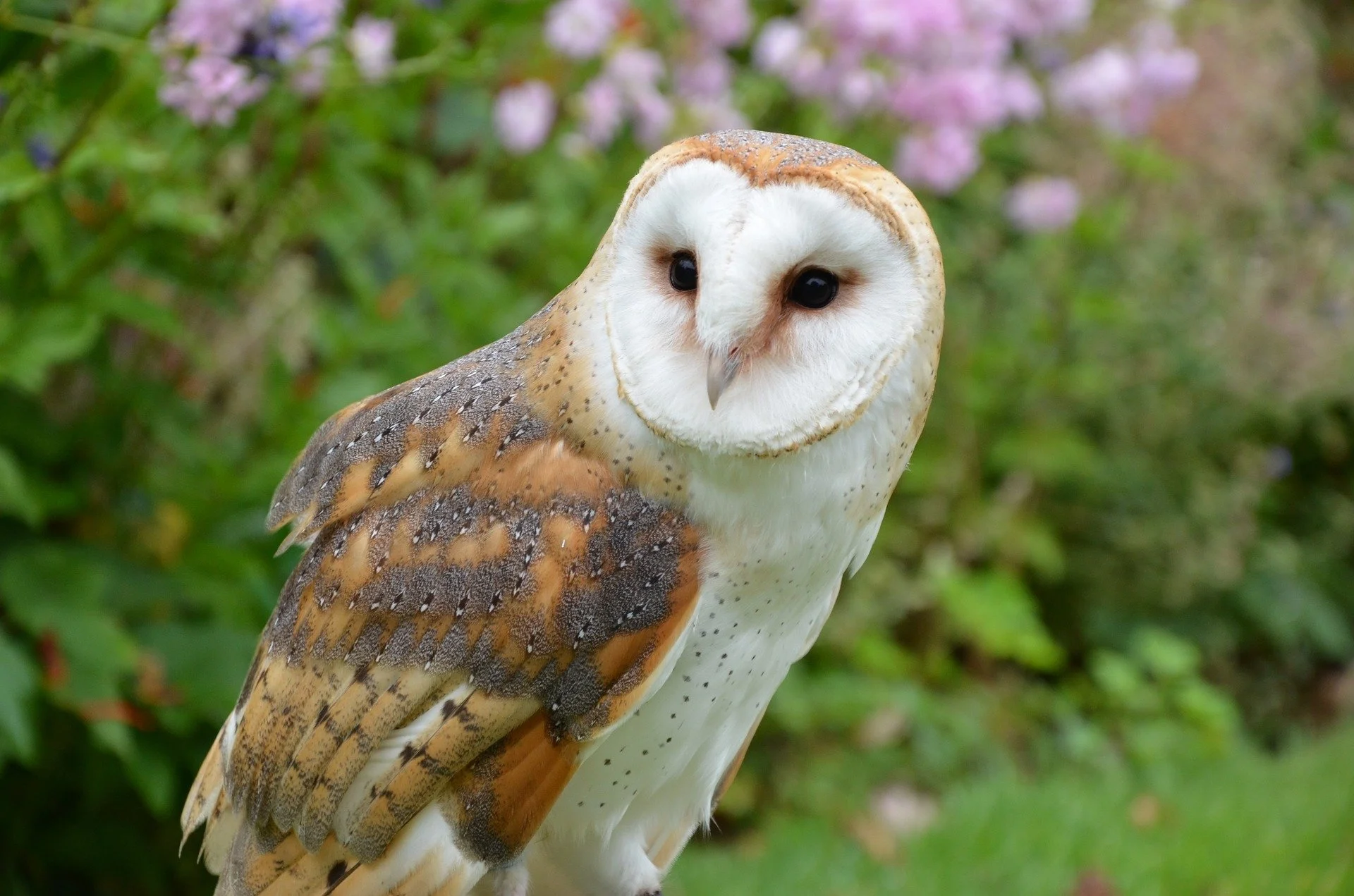
Owls protecting vineyards
Te Waiharakeke - Rodents like gophers and mice wreak havoc on vineyards, causing owners to make drastic decisions on how to control them.
Rather than turning to rodenticides to deter pests, a new study is testing the effectiveness of owls to manage the problem.
The researchers have surveyed 75 wineries in Napa Valley, and four-fifths now use the owl nest boxes and notice a difference in rodent control.
New Zealand wineries should trial the morepork, which is the only remaining native owl species found in Aotearoa. Barn owls have only very recently colonised in New Zealand from Australia.
Winemakers must pay close attention to their soil, the rain, the heat, and the sunlight. But rodents like gophers and mice can wreak havoc on a vineyard.
Rather than turning to rodenticides to deter pests, graduate students at Humboldt State University in California are testing a more natural approach by using owls.
Researchers have placed 300 owl nest boxes sporadically through vineyards in Napa Valley. They are documenting the impact of relying on owls to deter and remove pests rather than rodenticides.
The barn owls have a four-month nesting season, during which they spend about one-third of their time hunting in the fields. A family of barn owls may eat as many as 1000 rodents during the nesting season or around 3400 in a single year.
So far, the graduate students have found that the barn owls in vineyards are reducing the number of gophers, but not mice. They are also evaluating the owls' impact on voles, but that is inconclusive at this time.
The researchers say that most of the vintners in their study no longer use the rodenticides since adding nest boxes to their properties. But whether relying on owls is reducing pesticide use in Napa Valley isn't certain.
Farmers have been using owls and other raptors to hunt rodents for centuries, but modern chemical pesticides have taken precedence over natural methods in recent times.
In an effort to leave less of a negative impact on the environment, farmers around the world are reverting back to relying on raptors to control pests, rather than toxic pesticides.
Still, there's a long way to go in improving sustainable agriculture, including in the wine industry. Napa Valley has over 40,000 acres of vineyards, and only 3800 acres are certified organic. With the increasing use of nest boxes, there's hope that farmers will rely on these more natural methods over the rodenticides.


Lisa was born in Auckland at the start of the 1970s, living in a small campsite community on the North Shore called Browns Bay. She spent a significant part of her life with her grandparents, often hanging out at the beaches. Lisa has many happy memories from those days at Browns Bay beach, where fish were plentiful on the point and the ocean was rich in seaweed. She played in the water for hours, going home totally “sun-kissed.” “An adorable time to grow up,” Lisa tells me.
Lisa enjoyed many sports; she was a keen tennis player and netballer, playing in the top teams for her age right up until the family moved to Wellington. Lisa was fifteen years old, which unfortunately marked the end of her sporting career. Local teams were well established in Wellington, and her attention was drawn elsewhere.