




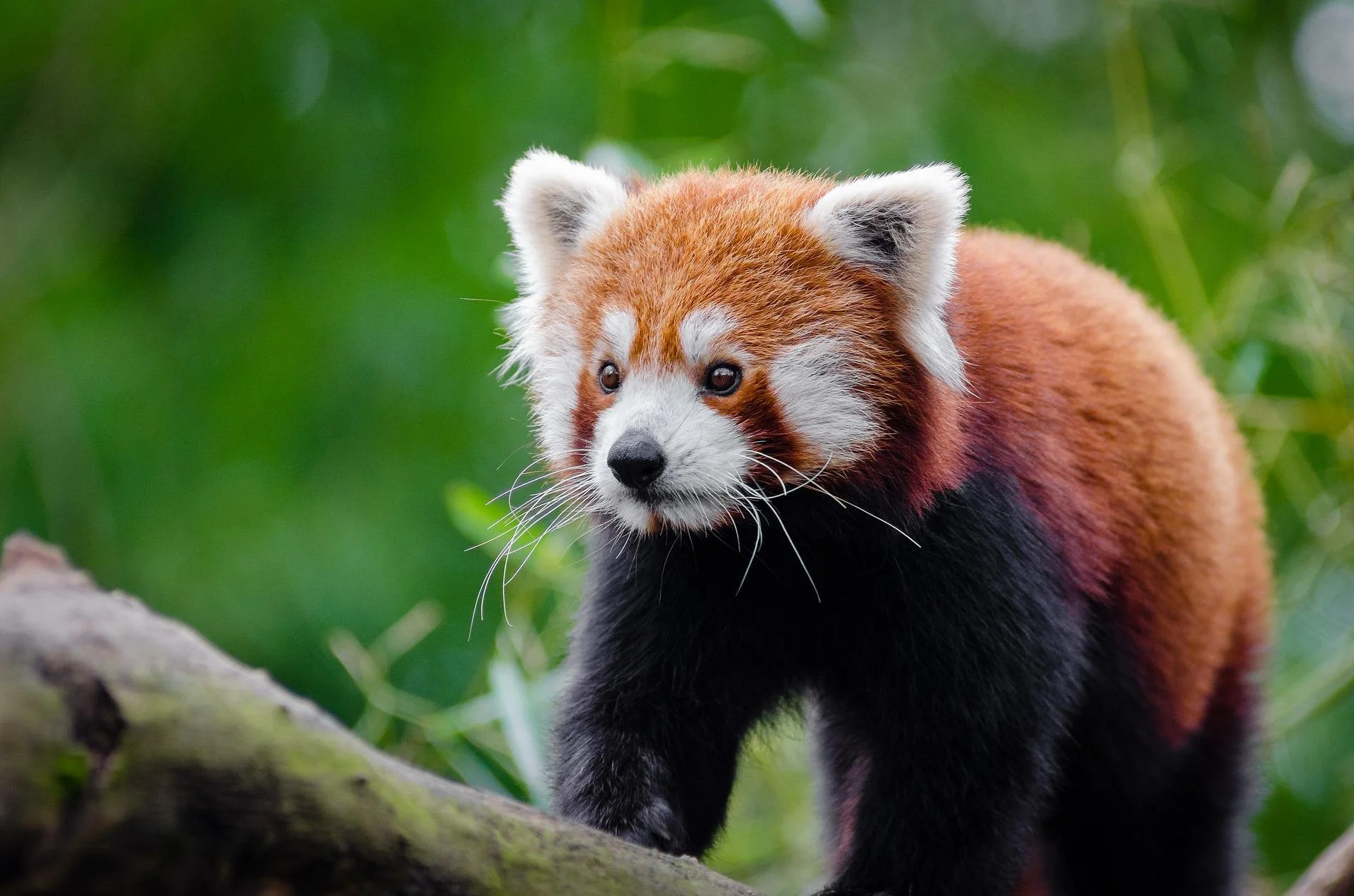
Humans driving red pandas to extinction
Kathmandu - There are only 10,000 red pandas left in the wild and people are helping to drive them close to extinction, a new study says.
Infrastructure projects, like roads, are having a big impact on red pandas.
Published in the journal Landscape Ecology, the new research found that infrastructure projects, like new roads, and human settlements, are impacting the habitat of red pandas, as well as restricting their movements.
To assess the impact of humans, researchers from the University of Queensland, the University of Southern Queensland, and the Red Panda Network tracked 10 red pandas for 12 months in eastern Nepal.
According to lead author Damber Bista, red pandas are changing their activity to minimise their interactions with disturbances, such as humans, dogs, or livestock.
This is drastically interfering with natural interactions between the animals, resulting in population isolation.
Habitat loss isn’t the only threat facing red pandas. They’re also at risk from poaching and accidental snaring, getting stuck in traps left for other animals).
With this in mind, the researchers are concerned about the future of this species.
According to the International Union for Conservation of Nature (IUCN), red pandas are endangered, which is one step away from being critically endangered. The next stage after that is extinct in the wild.
The union also says it hasn’t assessed the status of red pandas since 2015.
As the availability of suitable forests shrinks, it’s up to the red panda to weigh up its options on how to best survive. This trade-off can lead to an increased risk of mortality and population decline in the long run.
However, people can and should be doing more to support the survival of red pandas.
Speed limits and noise restrictions could help red pandas, as well as more wildlife crossings. During mating and birthing seasons, human activities should be strictly regulated, the researchers say.

Lisa was born in Auckland at the start of the 1970s, living in a small campsite community on the North Shore called Browns Bay. She spent a significant part of her life with her grandparents, often hanging out at the beaches. Lisa has many happy memories from those days at Browns Bay beach, where fish were plentiful on the point and the ocean was rich in seaweed. She played in the water for hours, going home totally “sun-kissed.” “An adorable time to grow up,” Lisa tells me.
Lisa enjoyed many sports; she was a keen tennis player and netballer, playing in the top teams for her age right up until the family moved to Wellington. Lisa was fifteen years old, which unfortunately marked the end of her sporting career. Local teams were well established in Wellington, and her attention was drawn elsewhere.