




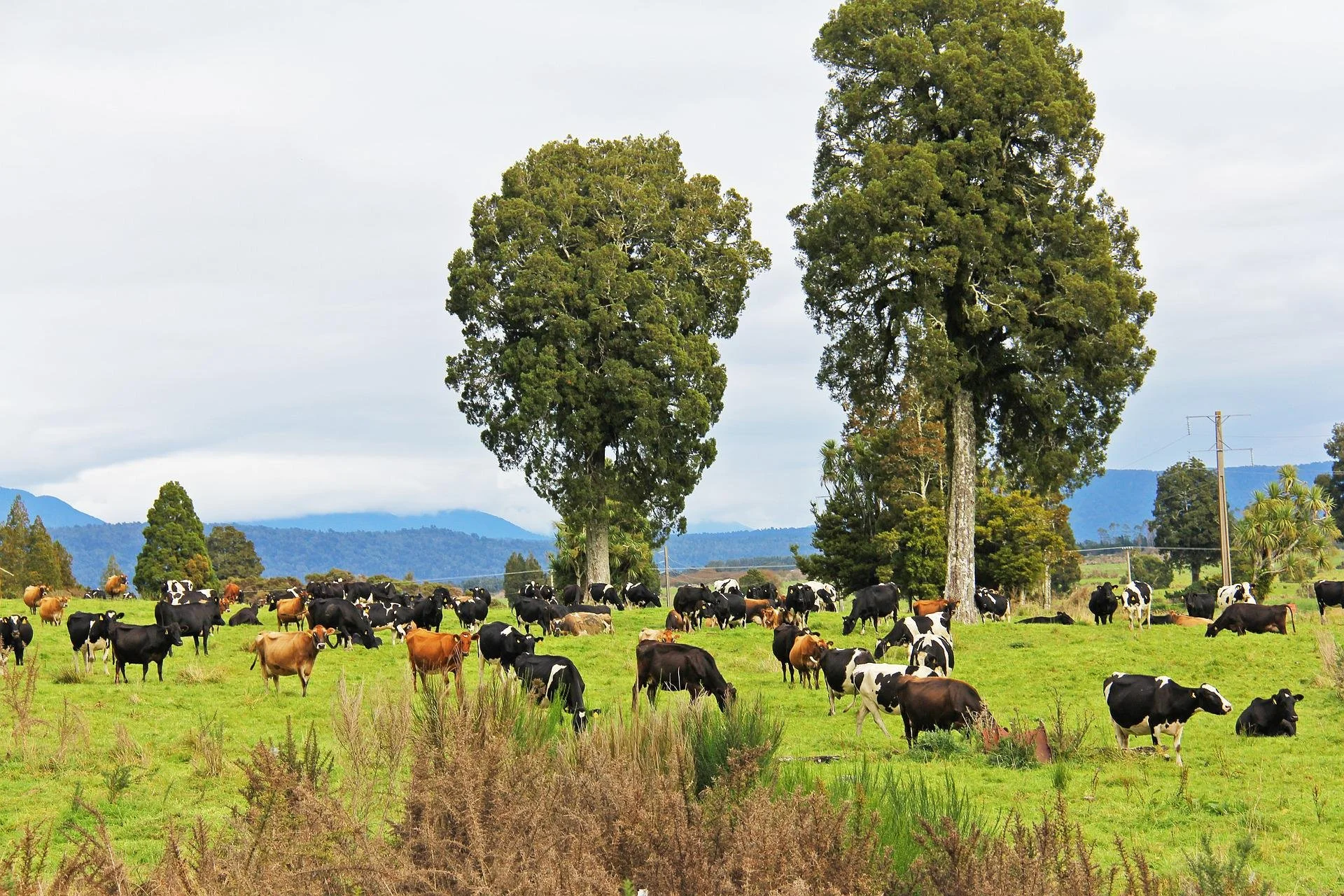
The global climate crisis will continue unless meat is removed
London - The global climate crisis will continue to worsen unless meat and dairy are removed from diets. According to the Intergovernmental Panel on Climate Change (IPCC).
This comes as New Zealand’s agricultural sector gears up for potential price emissions, which is a cost applied to carbon pollution, introduced to encourage a reduction in emissions).
New Zealand has previously railed against recommendations for plant-based diets, especially those in the IPCC report, which says a world without animal agriculture is now essential for human survival.
Ethically, all unnecessary methane sources have to be cut as fast and far as feasible. That means global veganisation is now a survival imperative.
The discussion on the global methane emergency has seen the UN demand a 45 percent reduction in methane emissions by 2030, to prevent global heating from rising above 1.5C.
Governments are now being lobbied to understand the gravity of the climate crisis, with plant-based diets included in the conversation. New Zealand is lucky that it has the chair of the Climate Change Commission Dr Rod Carr on the UN high level expert group.
Those pleading the case for plant-based lifestyles include Nobel laureates like Klaus Hasselmann, who won the 2021 Nobel Prize in physics, and Carlos Nobre, a 2007 Nobel Prize winner and IPCC author.
They are members of the Plant Based Treaty, an initiative designed to put food systems at the forefront of combating the climate crisis. Each used the Bonn climate change conference, held in June, as a platform.
IPCC research suggests that increased vegan diet uptake will positively impact the climate. This is due to reduced emissions when comparing plant crops to animal rearing. In addition, if everybody switched to plant-based eating, agricultural land demand would fall by 75 percent.
It takes 100 times more land to produce one kilo of beef or lamb than a plant-based equivalent protein crop. If the world turns vegan, land usage will reduce from 4.1 billion hectares to 1 billion and emissions will plummet.
According to the Food and Agricultural Organisation, animal agriculture is responsible for at least 14.5 percent of all anthropogenic emissions. It directly contributes one-third of all human-caused methane, leading experts to advise an immediate cessation of meat consumption.
London - The global climate crisis will continue to worsen unless meat and dairy are removed from diets. According to the Intergovernmental Panel on Climate Change (IPCC).
This comes as New Zealand’s agricultural sector gears up for potential price emissions, which is a cost applied to carbon pollution, introduced to encourage a reduction in emissions).
New Zealand has previously railed against recommendations for plant-based diets, especially those in the IPCC report, which says a world without animal agriculture is now essential for human survival.




Lisa was born in Auckland at the start of the 1970s, living in a small campsite community on the North Shore called Browns Bay. She spent a significant part of her life with her grandparents, often hanging out at the beaches. Lisa has many happy memories from those days at Browns Bay beach, where fish were plentiful on the point and the ocean was rich in seaweed. She played in the water for hours, going home totally “sun-kissed.” “An adorable time to grow up,” Lisa tells me.
Lisa enjoyed many sports; she was a keen tennis player and netballer, playing in the top teams for her age right up until the family moved to Wellington. Lisa was fifteen years old, which unfortunately marked the end of her sporting career. Local teams were well established in Wellington, and her attention was drawn elsewhere.