




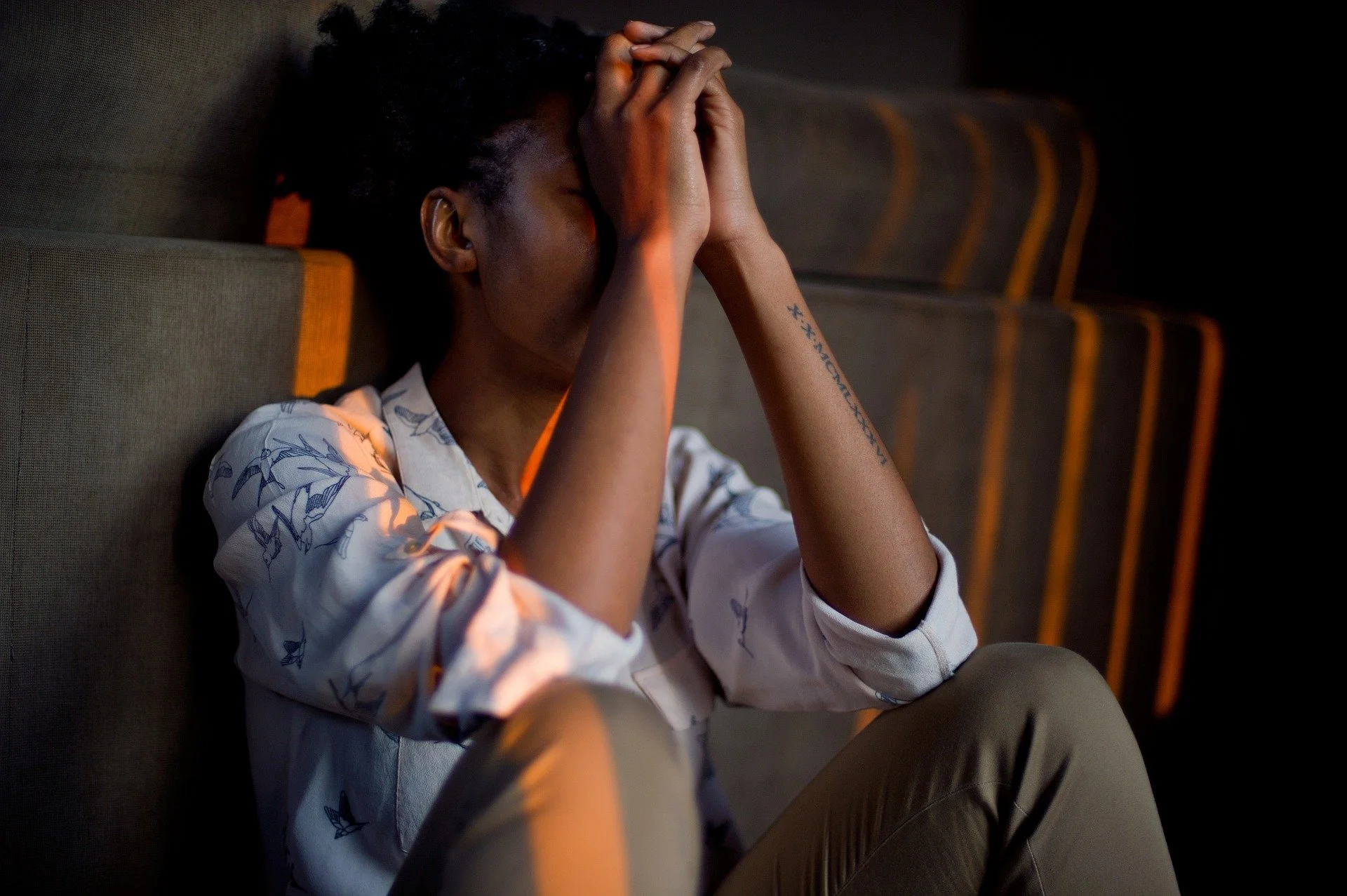
Are Kiwis happier?
Te Whanganui-a-Tara - The latest data from shows New Zealanders’ overall mental wellbeing has declined since 2018, Stats NZ says.
Most New Zealanders remained satisfied with their lives as a whole in 2021, with a mean overall life satisfaction rating of 7.7 out of 10, the same as in 2018.
However, the proportions of people who said they felt cheerful and in good spirits, calm and relaxed, active and vigorous, woke up feeling fresh and rested, and had a life full of interesting things all or most of the time, have all declined significantly since 2018.
The data showed a significant increase in the proportion of people with poor mental wellbeing, up from 22 percent in 2018 to 28 percent in 2021.
The proportion of people with poor mental wellbeing equates to more than a quarter of Aotearoa’s population.
Stats NZ found that rates of poor mental wellbeing have risen significantly across many age groups.
Based on the World Health Organisation well-being index, found Kiwis aged 35–44 years had a low mean mental wellbeing score of 14.3 out 25.
In contrast, people aged 65 years and over fared better, with a mean score of 16.0.
People aged 65 years and over were also more likely than younger people to say that all or most of the time in the last two weeks they felt calm and relaxed, woke up feeling fresh and rested, and had a life filled with interesting things.
For some New Zealanders, poor mental wellbeing is even more of an issue. Disabled people, single parents, and people who identified as LGBT+ or belonged to a sexual minority were amongst those who experienced higher rates of poor overall mental wellbeing.
About three in five New Zealanders are accepting of neighbours with mental illness
In 2021, 58 percent of New Zealanders said they would feel comfortable or very comfortable about a new neighbour who had a mental illness, compared with 55 percent in 2018.
In contrast more than 80 percent of people said they would feel comfortable or very comfortable with a new neighbour who was a different religion, sexual orientation, or ethnicity, used a different language, or had a long-term disability or health condition.
People with poor mental wellbeing much less likely to be satisfied with life
In 2021, 62 percent of people with poor life satisfaction (0 to 6 out of 10) also had poor mental wellbeing.
The mean life satisfaction rating for those with poor mental wellbeing was 6.5 out of 10, much lower than the New Zealand average of 7.7.

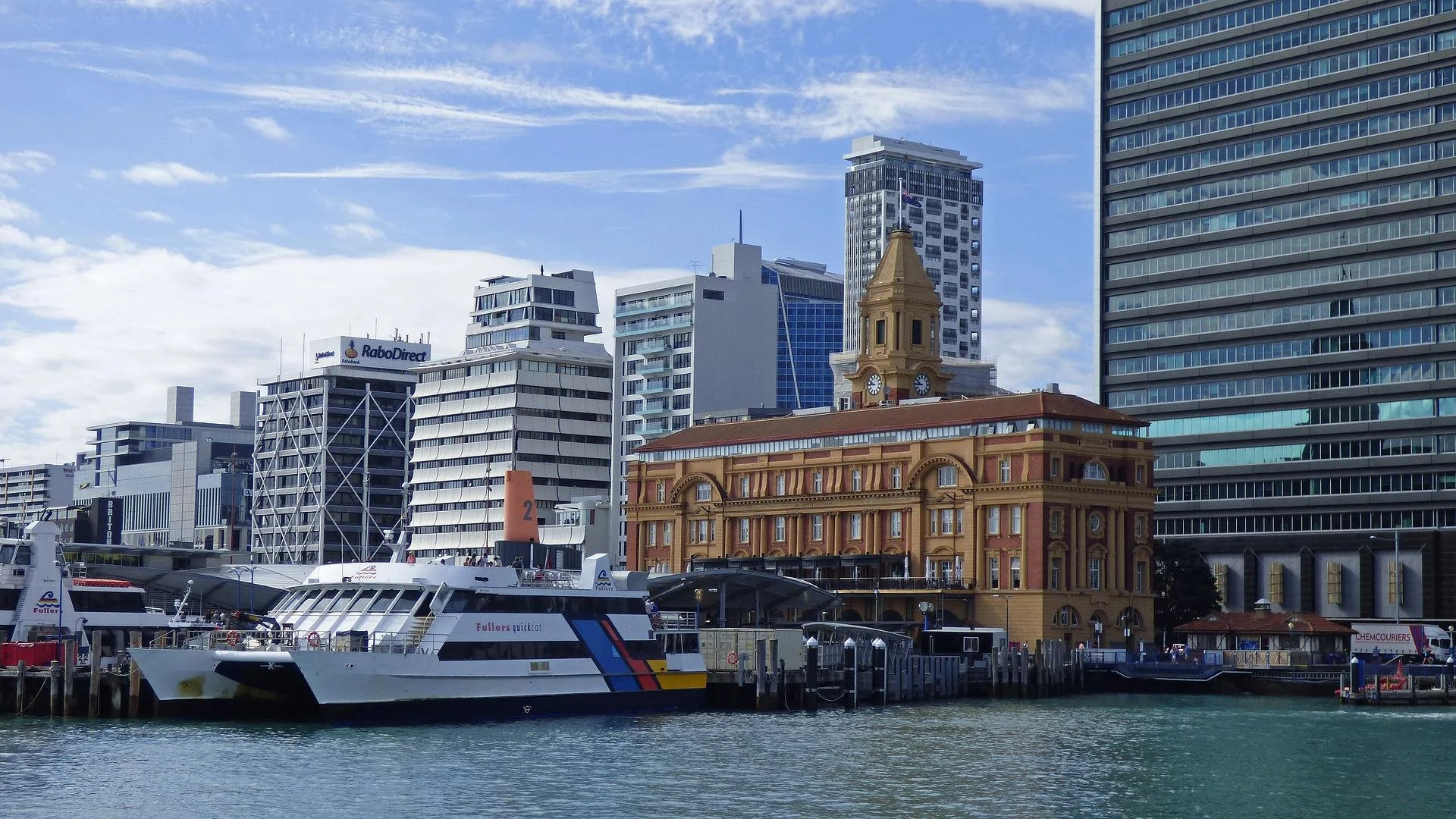



Lisa was born in Auckland at the start of the 1970s, living in a small campsite community on the North Shore called Browns Bay. She spent a significant part of her life with her grandparents, often hanging out at the beaches. Lisa has many happy memories from those days at Browns Bay beach, where fish were plentiful on the point and the ocean was rich in seaweed. She played in the water for hours, going home totally “sun-kissed.” “An adorable time to grow up,” Lisa tells me.
Lisa enjoyed many sports; she was a keen tennis player and netballer, playing in the top teams for her age right up until the family moved to Wellington. Lisa was fifteen years old, which unfortunately marked the end of her sporting career. Local teams were well established in Wellington, and her attention was drawn elsewhere.