




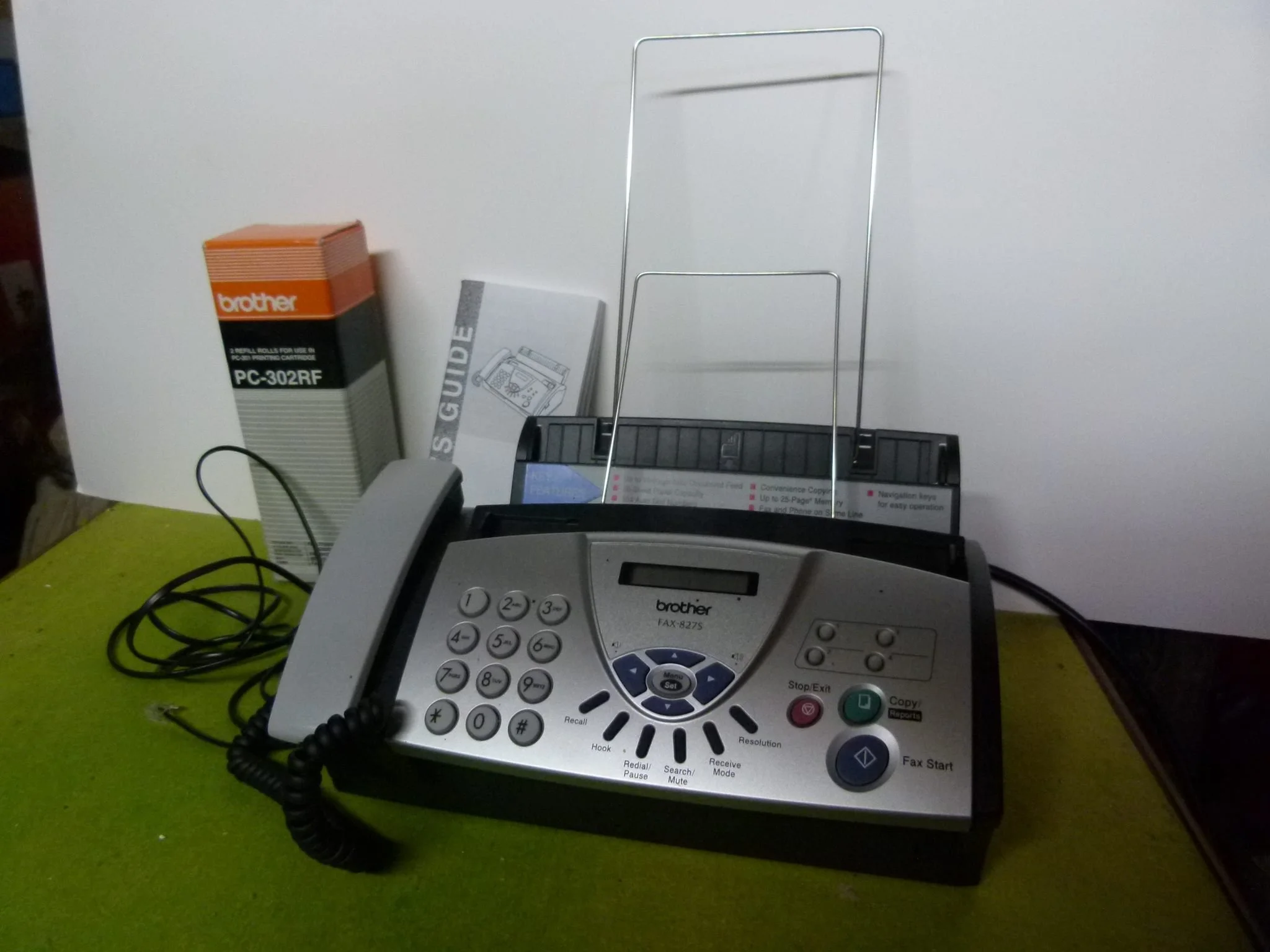
Old fax machines for scripts on their way out, maybe?
Te Whanganui-a-Tara - The government has just announced fax machines are on their way out for doctors’ prescriptions.
It is expanding the e-prescription service to make it easier for people to get the medicines they need. But is this like groundhog day?
Fax machines were ubiquitous in office environments between the 1970s and 1990s but have virtually been rendered obsolete by technology such as email and the internet.
Sadly they remain particularly popular in the medical police sectors.
But in In June 2019, the ministry directed all health professionals to stop using fax machines by December 2020 to send and receive patient information. But still the government is trying to get police and medical organisations into the 21st century.
Fax machines are so obsolete; so yesterday, like a typewriter or adding machine. They are not necessary and not good for the environment.
They are just outdated and unsuited for the modern working environment. Fax machines have proven to be ineffective and inefficient compared to digital alternatives. With in-built security flaws and excessive resource wastage, there is no place for them in your business.
Health minister Andrew Little has just told the Digital Health Association that sending prescriptions electronically makes sense because it can be faster, safer, cheaper and more convenient, but until recently, it was hardly ever done.
The covid pandemic changed that, with the number of GP practices using the official government e-prescription service jumping from 415 in March 2020 to 1038 in March this year. The number of e-scripts issued went from 624,300 to 1,559,427.
Little says getting rid of fax machines is still a bit tricky and they can’t be used for the prescription of any controlled drugs such as morphine, which is why government is expanding the e-prescription service.
“No longer will prescriptions for controlled drugs have to be in hard copy, with a physical signature. We will, finally, be able to say goodbye to fax machines,” he says.
“And for medicines for some chronic conditions like ADHD, prescribers will be able to increase the period of time covered by a single e-prescription, reducing the number of times patients need to visit a GP for repeat prescriptions.
“It will also cut reduce administration costs for medical practices, which will no longer have to print, send and store hard-copy prescriptions.
The changes are expected to be in place by the end of the year and will be especially helpful for people who find visiting a doctor to get a prescription difficult because they live a long way away or they can’t afford it. The changes were meant to be in place by December, 2020.




Lisa was born in Auckland at the start of the 1970s, living in a small campsite community on the North Shore called Browns Bay. She spent a significant part of her life with her grandparents, often hanging out at the beaches. Lisa has many happy memories from those days at Browns Bay beach, where fish were plentiful on the point and the ocean was rich in seaweed. She played in the water for hours, going home totally “sun-kissed.” “An adorable time to grow up,” Lisa tells me.
Lisa enjoyed many sports; she was a keen tennis player and netballer, playing in the top teams for her age right up until the family moved to Wellington. Lisa was fifteen years old, which unfortunately marked the end of her sporting career. Local teams were well established in Wellington, and her attention was drawn elsewhere.