





Today’s Kiwis exercising for mental health so critical
Otautahi - The covid challenges of the last three years shows exercise and mental health are critical considerations for all New Zealanders, ExerciseNZ chief executive Richard Beddie says.
A new UK study has tapped into 12 months of Fitbit data to reveal some interesting insights around the mental health of more than 100 people.
Research often focuses on how exercise can be beneficial for brain health, from combating depression, to fighting dementia, to boosting memory.
The new research has approached this topic with a long-term view, tapping into a year’s worth of Fitbit data to gauge the impacts of different types of physical activity, and turned up some interesting results.
The study by Dartmouth College researchers set out to dig into the nuances of exercise’s effects on brain function and mental health. The research was published in the journal Scientific Reports.
They sought to expand on studies in this area that had examined the effects of exercise over periods of days or weeks, by instead drawing on data from 113 Fitbit users across a 12-month period.
Beddie says the approach to mental wellness needs to focus more on supporting people to prevent issues, rather than just popping pills to treat them.
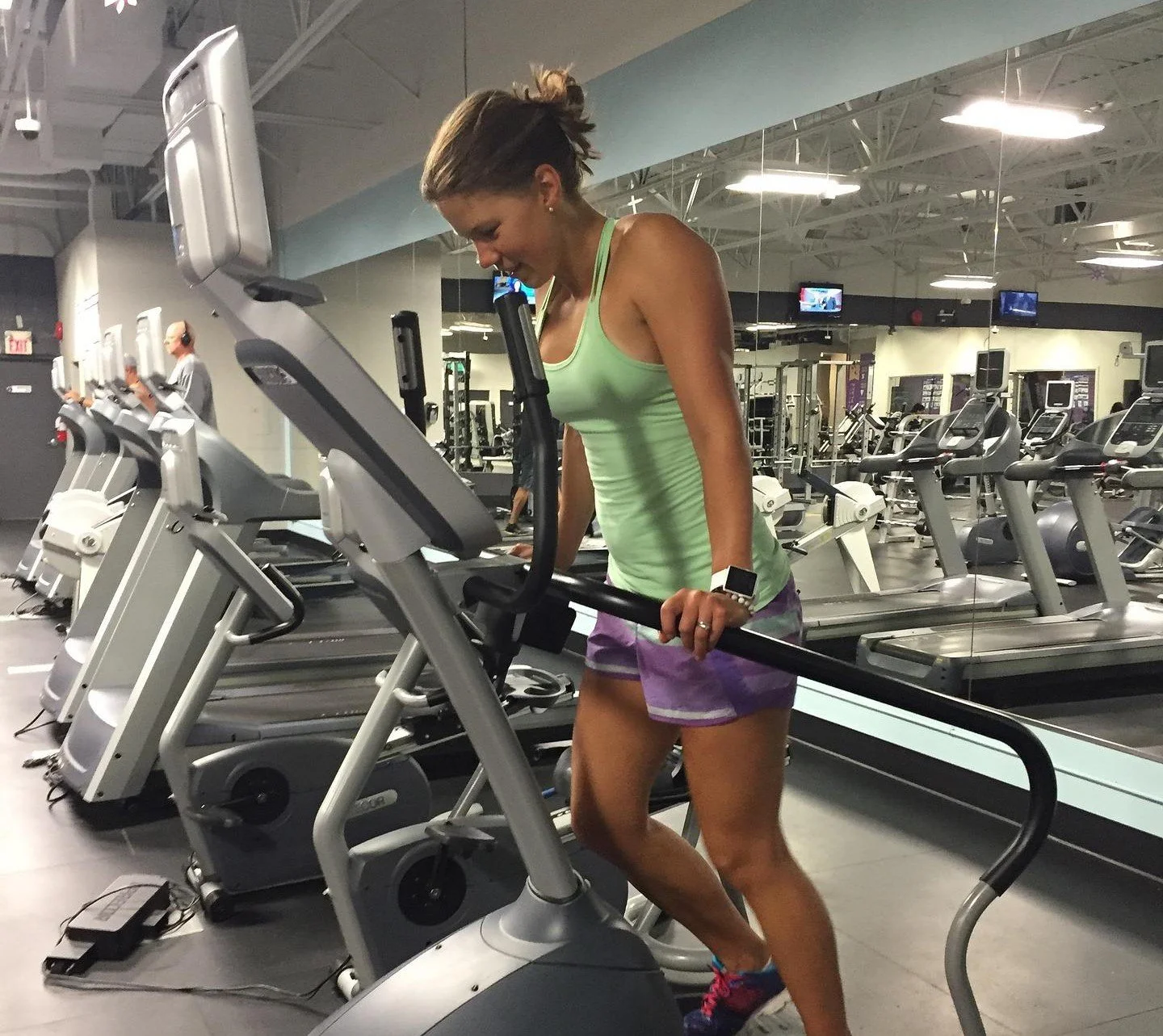
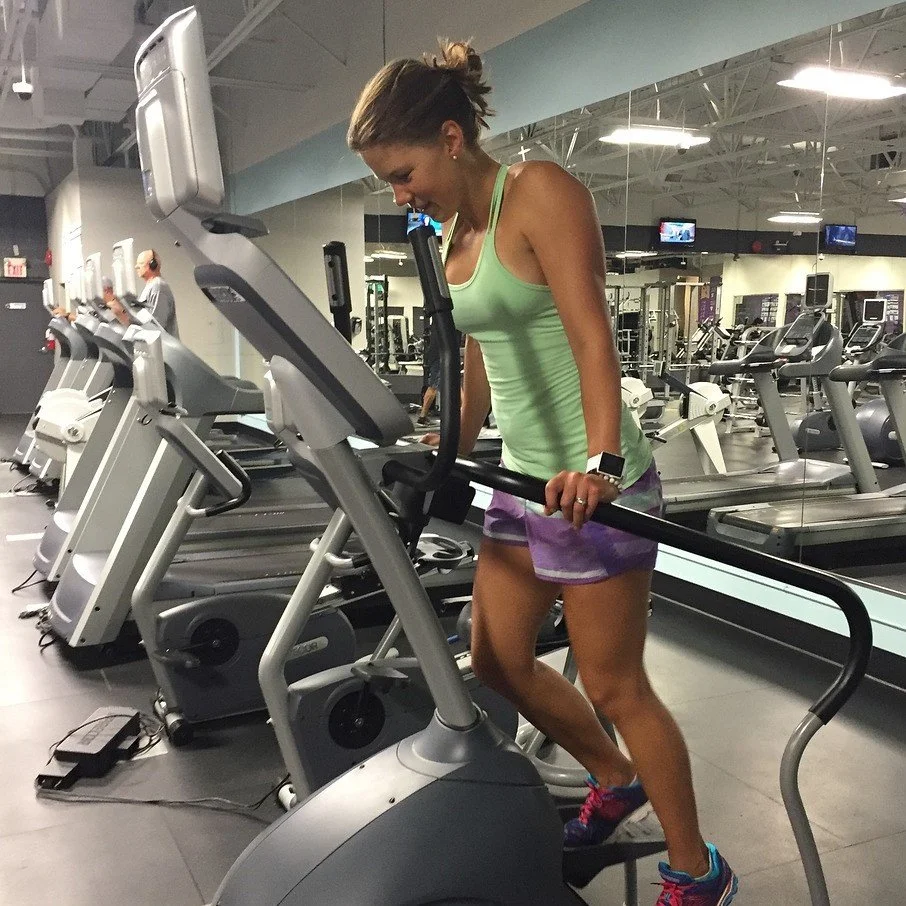
“This latest research is yet another reminder of the power of regular exercise, something which is available to everyone and has no negative side effects.
“Exercise is hugely more important for people’s mental health. In 2018, just seven percent of the public surveyed by ExerciseNZ said they exercised for mental health. It’s a totally different story today.
“Our latest survey shows 63 percent of people are now exercising to help with their mental health. This is really positive and is a greater awareness of why exercise helps on so many levels.”
Beddie says the health system focuses far too much on treating mental health like every other condition by medicating when the issue gets severe enough.
“This approach just isn’t working and isn’t sustainable. We have the opportunity to be creative with a focus on prevention and providing more tools to help people manage themselves, and also know when to ask for help.
“Wellness if a continuum. We need to focus on supporting people to be well, not just treating people when they get sick. Exercise has proven to help with every dimension of the wellness spectrum and needs to be embraced and used by the government more.”
Mental health and memory are central to nearly everything people do. The study is trying to build a foundation for understanding how different intensities of physical exercise affect different aspects of mental and cognitive health.
For further information contact Richard Beddie on 027 5205744 or ExerciseNZ’s media specialist Make Lemonade NZ editor-in-chief Kip Brook on 0275 03018



Lisa was born in Auckland at the start of the 1970s, living in a small campsite community on the North Shore called Browns Bay. She spent a significant part of her life with her grandparents, often hanging out at the beaches. Lisa has many happy memories from those days at Browns Bay beach, where fish were plentiful on the point and the ocean was rich in seaweed. She played in the water for hours, going home totally “sun-kissed.” “An adorable time to grow up,” Lisa tells me.
Lisa enjoyed many sports; she was a keen tennis player and netballer, playing in the top teams for her age right up until the family moved to Wellington. Lisa was fifteen years old, which unfortunately marked the end of her sporting career. Local teams were well established in Wellington, and her attention was drawn elsewhere.