




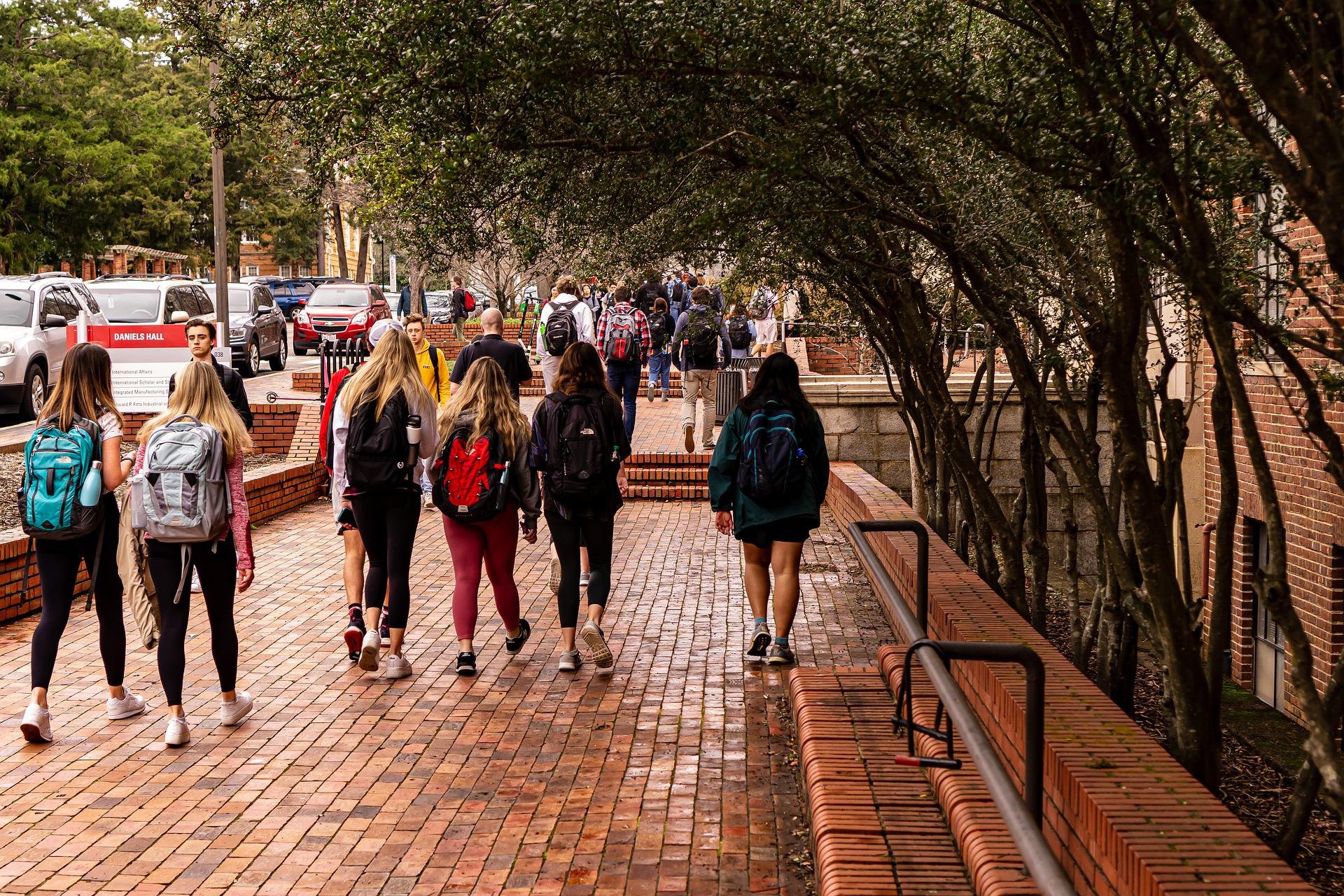
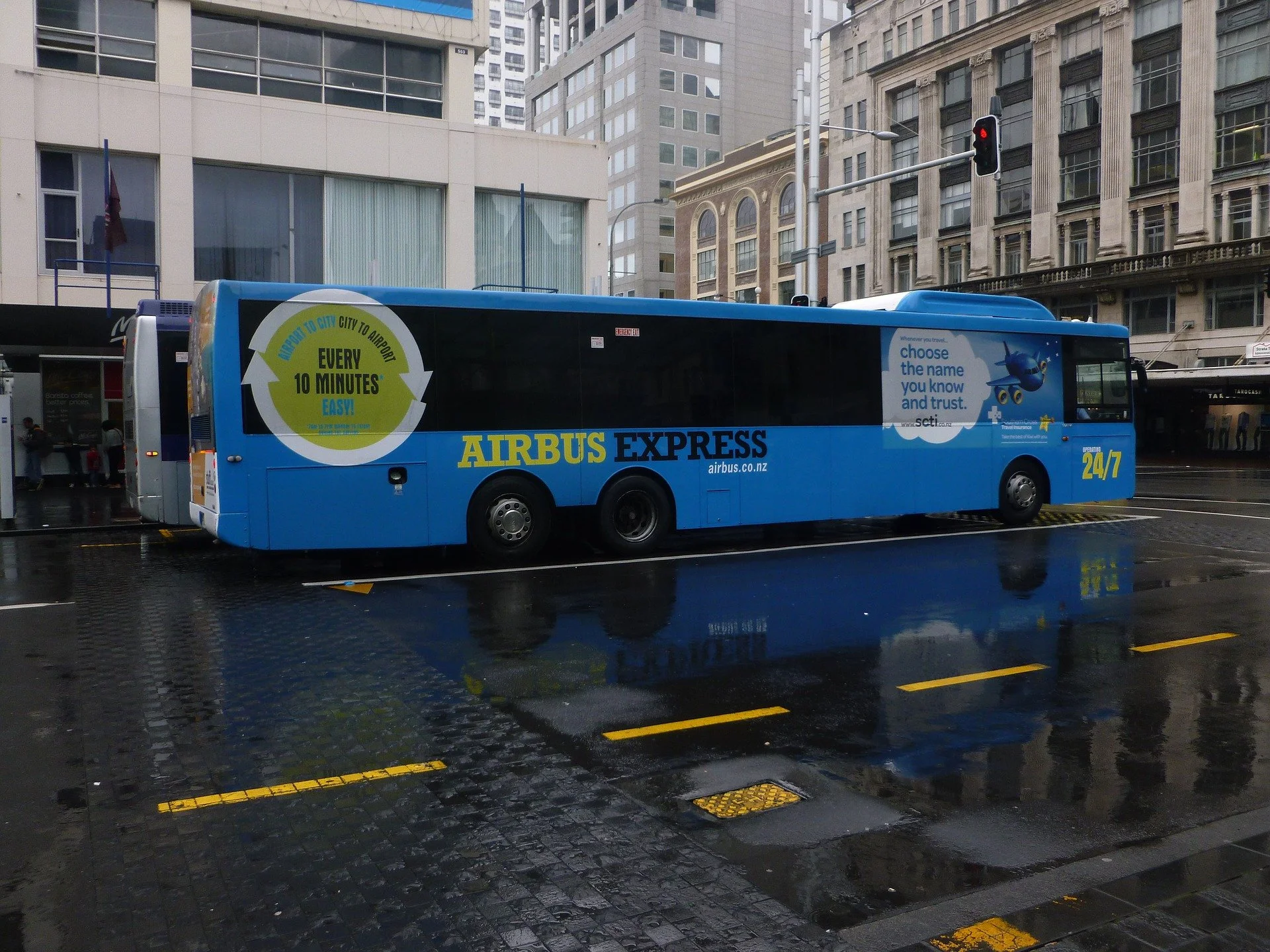
NZ unis call for free public transport for students
Ōtautahi - Aotearoa’s eight universities have joined the Aotearoa collective for public transport equity group appealing to make public transport free to students and other New Zealanders on low incomes.
Doing so will help alleviate poverty and hardship, as well as contribute to combating climate change, they say.
The collective was launched in October 2021 and has a wide range of member organisations, including students’ associations, climate groups and two individual universities, Massey University and Te Herenga Waka – Victoria University of Wellington.
Now the New Zealand vice-chancellors’ committee has agreed all the country’s universities will support the collective through the membership of the sector’s peak body, Universities New Zealand – Te Pōkai Tara.
As well as for students, the collective and its national campaign, Free Fares, are seeking free public transport for other people on low incomes, including under-25s, community services card holders, and total mobility card holders and their support people.
In March, the collective handed government a petition with more than 13,000 signatures.
The majority of students are low income and costs of living are increasingly exceeding available student allowances and the amounts that students can borrow.
The majority of our students are concerned about climate change and their carbon footprint. An increasing proportion need to work while studying and they are looking for sustainable ways to get to and from workplaces and their places of learning.
Students understand that there are other greater societal costs when people on low incomes have to make choices between getting to places of work and study versus challenges such as getting sufficient nutrition and living in adequate accommodation.
The Free Fares campaign knows with Universities New Zealand now supporting the cause, they have one of the largest organisations in the tertiary education sector backing it.
It’s clear Free Fares is popular. It’s also clear the cost of transport is squeezing our most vulnerable, including students, and government needs to act.
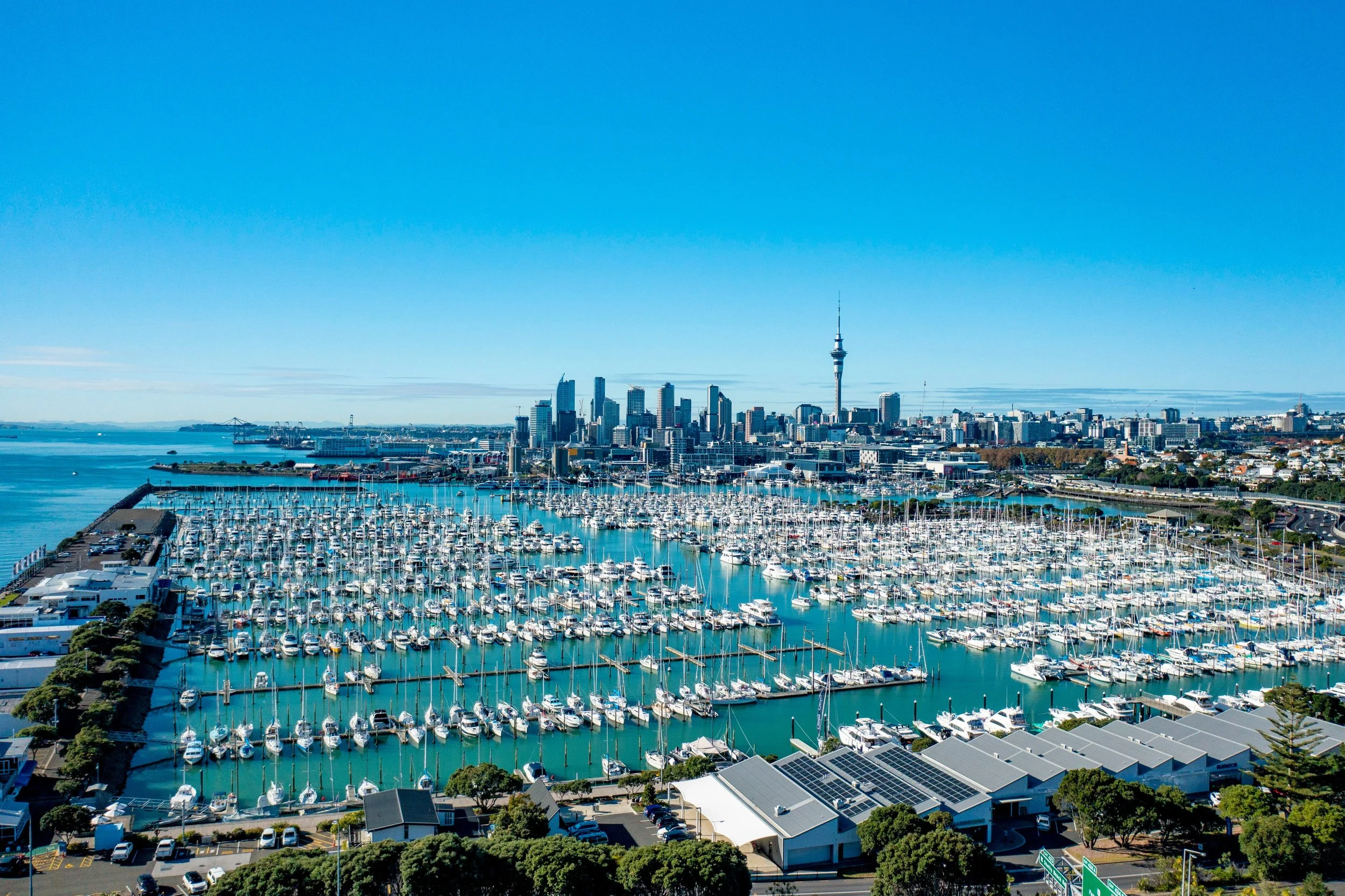


Lisa was born in Auckland at the start of the 1970s, living in a small campsite community on the North Shore called Browns Bay. She spent a significant part of her life with her grandparents, often hanging out at the beaches. Lisa has many happy memories from those days at Browns Bay beach, where fish were plentiful on the point and the ocean was rich in seaweed. She played in the water for hours, going home totally “sun-kissed.” “An adorable time to grow up,” Lisa tells me.
Lisa enjoyed many sports; she was a keen tennis player and netballer, playing in the top teams for her age right up until the family moved to Wellington. Lisa was fifteen years old, which unfortunately marked the end of her sporting career. Local teams were well established in Wellington, and her attention was drawn elsewhere.