





Decarbonising the NZ food and beverage sector
Tāmaki Makaurau - The Energy Efficiency and Conservation Authority (EECA) has commissioned a report to identify ways for decarbonisation of the food and beverage sector in Aotearoa.
The study found the sector is reliant on fossil fuels for process heat. While there is some movement to measure and reduce emissions, there are significant barriers. However, the study identified some key opportunities for manufacturers.
The food product manufacturing sector is defined in this study as excluding dairy, meat, and seafood product manufacturing. The share of energy supply from renewables in New Zealand is 40.8 percent, the highest since reporting started in 1990.
The EECA survey of 79 organisations with medium to large energy use, across 15 food manufacturing industry classes, captures a moment in time for food manufacturing in New Zealand. Some results have been extrapolated out to a national level.
Businesses account for around 40 percent of New Zealand's energy-related emissions, so they represent a big opportunity for decarbonisation.
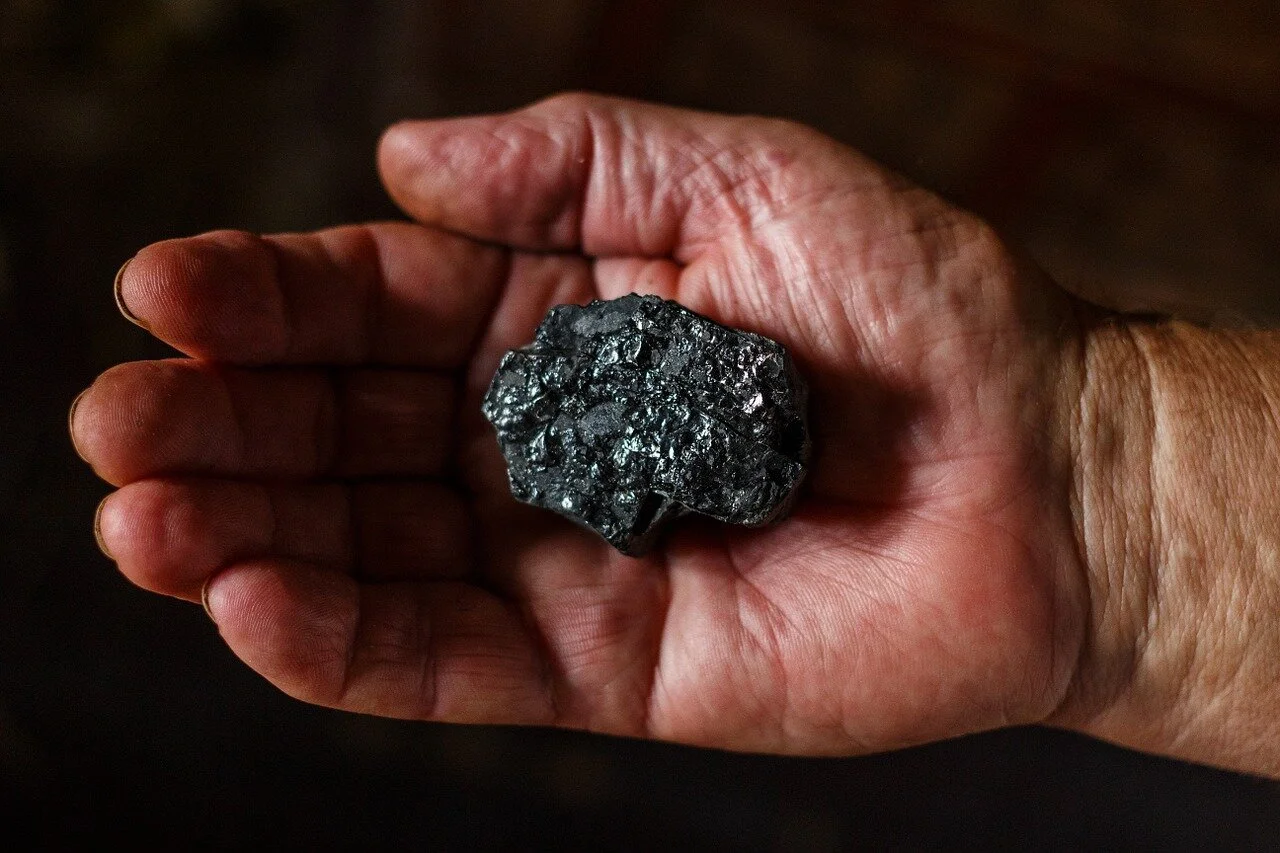
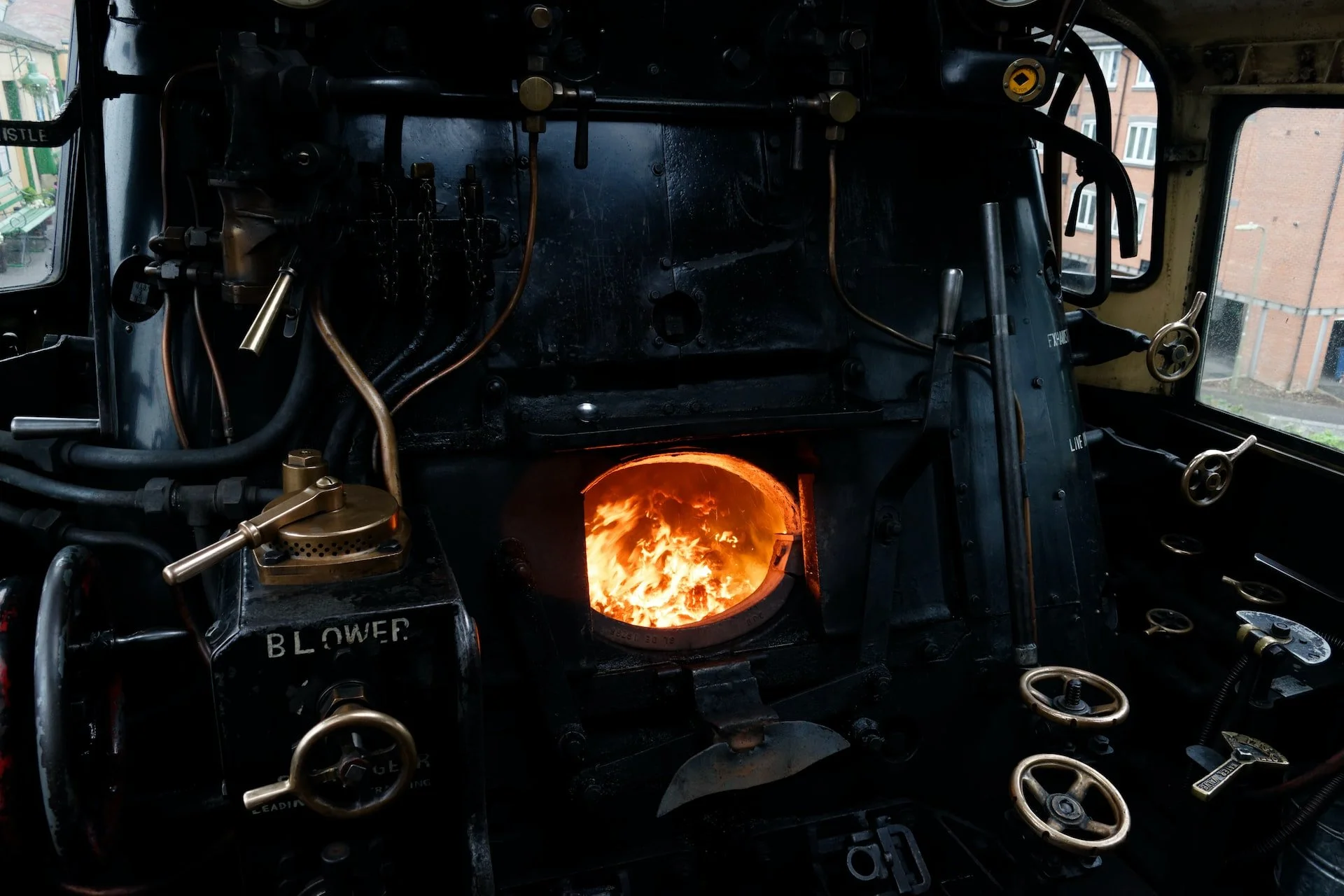
The majority of the stationary energy used in the sector comes from fossil fuels (64 percent) to power boiler systems which provide process heat. Most of the energy end-use is for intermediate temperature process heat.
A total of 42 percent of the energy within the survey cohort is from natural gas, 33 percent from coal and 22 percent from electricity.
Energy extrapolated to the national level shows that 38 percent comes from natural gas, 26 percent from coal, and 30 percent from electricity.
When total energy consumption is extrapolated to a national level estimate, the majority of energy used is fossil fuels, in particular natural gas.
Most of the energy used in the sector is used to run boiler systems for steam generation. This is mainly used to meet intermediate temperature heat process requirements.
Only 35 percent of the survey cohort are currently measuring their GHG emissions Most surveyed organisations (91 percent) plan to improve their energy efficiency.
Just over half (51 percent) the surveyed organisations are interested in decarbonisation. Reducing operating costs is the primary driver for energy efficiency and decarbonisation. High capital costs (27 percent) and practicality (product quality risk) (27 percent) concerns are the largest barriers to decarbonisation.
The survey results reflect there is a lot of work to be done in decarbonising processes that currently use natural gas, coal and to a much lesser degree LPG and diesel. In addition, improving energy efficiency in electricity use could also help with sector wide decarbonisation.
This suggests that fuel switching existing fossil fuel boiler systems that produce intermediate temperature heat for process requirements should be the primary focus for sector wide decarbonisation. In addition, fuel switching fossil fuel oven systems (intermediate temperature heat) should also be targeted.



Lisa was born in Auckland at the start of the 1970s, living in a small campsite community on the North Shore called Browns Bay. She spent a significant part of her life with her grandparents, often hanging out at the beaches. Lisa has many happy memories from those days at Browns Bay beach, where fish were plentiful on the point and the ocean was rich in seaweed. She played in the water for hours, going home totally “sun-kissed.” “An adorable time to grow up,” Lisa tells me.
Lisa enjoyed many sports; she was a keen tennis player and netballer, playing in the top teams for her age right up until the family moved to Wellington. Lisa was fifteen years old, which unfortunately marked the end of her sporting career. Local teams were well established in Wellington, and her attention was drawn elsewhere.