





Container return bottle scheme policy should be re-prioritised
Tāmaki Makaurau - The Kiwi bottle drive, the community campaign advocating for a beverage container return scheme (CRS), is urging government to re-prioritise the policy following last week’s decision to put it on hold.
“After all the progress, and all the research that has gone into developing a container return scheme (CRS) for Aotearoa, it was devastating to hear this popular and much-needed policy has gone on the back-burner” Olga Darkadaki, campaigner at the Kiwi bottle drive says.
Deposit return schemes for drinks is - where consumers pay a deposit when they buy a beverage that is redeemed when returned to a retailer or recycling centre. It is considered by many as a popular and uncontentious policy.
A consumer survey by Kantar/Consumer Link in September last year 2022 showed 78 percent of those surveyed support a CRS.
Support was so strong that consumers thought the deposit should be set at a higher amount (30c) than the government’s proposed 20c.
A CRS was de-prioritised based on the argument that it will increase costs to households during the cost of living crisis, but what that misses is that our current recycling system costs more per container than a CRS would, and delivers worse outcomes, Darkadaki.
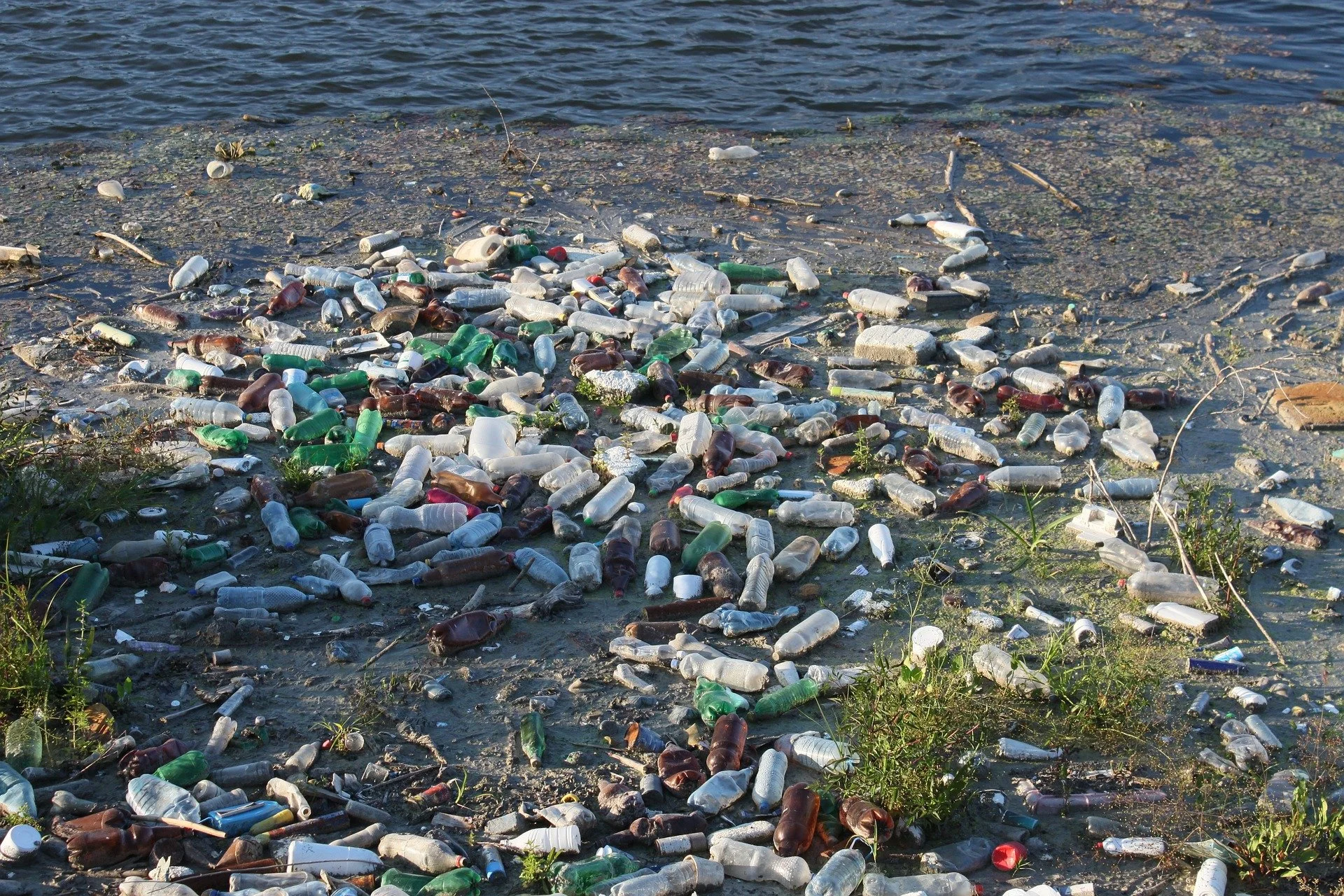
“Only 45 percent of beverage containers are being recovered in New Zealand and the other 55 percent end up as landfill or litter.
A CRS could lift recovery rates to 85-90 percent and shift the costs of recovery onto producers and consumers where it belongs, rather than have councils and ratepayers picking up the bill.”
Tāmaki Makaurau - The Kiwi bottle drive, the community campaign advocating for a beverage container return scheme (CRS), is urging government to re-prioritise the policy following last week’s decision to put it on hold.
“After all the progress, and all the research that has gone into developing a container return scheme (CRS) for Aotearoa, it was devastating to hear this popular and much-needed policy has gone on the back-burner” Olga Darkadaki, campaigner at the Kiwi bottle drive says.
Deposit return schemes for drinks is - where consumers pay a deposit when they buy a beverage that is redeemed when returned to a retailer or recycling centre. It is considered by many as a popular and uncontentious policy.
A consumer survey by Kantar/Consumer Link in September last year 2022 showed 78 percent of those surveyed support a CRS.
Support was so strong that consumers thought the deposit should be set at a higher amount (30c) than the government’s proposed 20c.
A CRS was de-prioritised based on the argument that it will increase costs to households during the cost of living crisis, but what that misses is that our current recycling system costs more per container than a CRS would, and delivers worse outcomes, Darkadaki.
“Only 45 percent of beverage containers are being recovered in New Zealand and the other 55 percent end up as landfill or litter.
A CRS could lift recovery rates to 85-90 percent and shift the costs of recovery onto producers and consumers where it belongs, rather than have councils and ratepayers picking up the bill.”




Lisa was born in Auckland at the start of the 1970s, living in a small campsite community on the North Shore called Browns Bay. She spent a significant part of her life with her grandparents, often hanging out at the beaches. Lisa has many happy memories from those days at Browns Bay beach, where fish were plentiful on the point and the ocean was rich in seaweed. She played in the water for hours, going home totally “sun-kissed.” “An adorable time to grow up,” Lisa tells me.
Lisa enjoyed many sports; she was a keen tennis player and netballer, playing in the top teams for her age right up until the family moved to Wellington. Lisa was fifteen years old, which unfortunately marked the end of her sporting career. Local teams were well established in Wellington, and her attention was drawn elsewhere.