




Green investment fund delivers on climate action
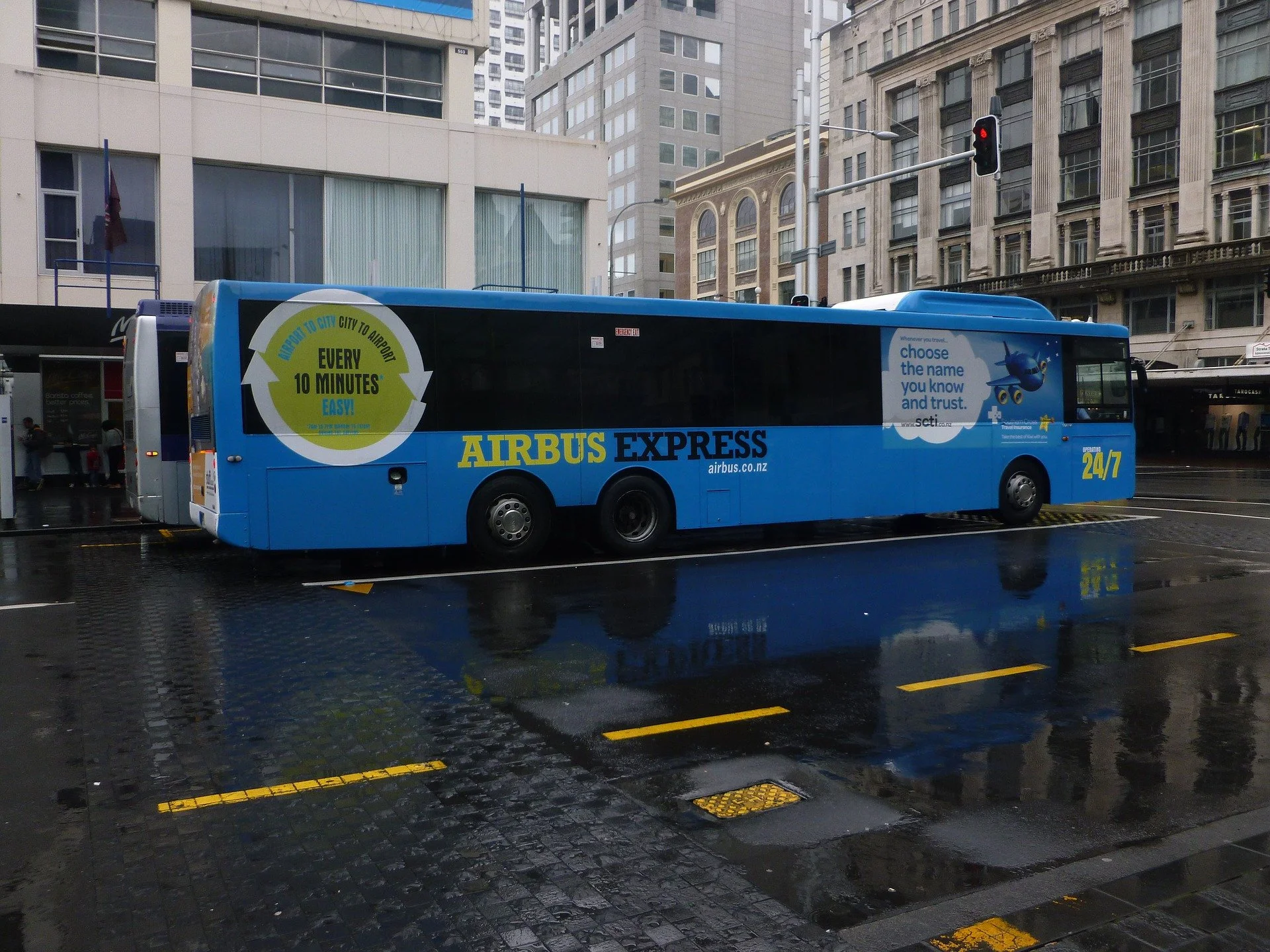
Tāmaki Makaurau - Taxpayer owned New Zealand Green Investment Finance (NZGIF) has put $50 million into increasing Aotearoa’s public transport fleet.
NZGIF has signed a $50 million financing deal with Kinetic, the biggest bus operator in Australasia, to further decarbonise public transport.
New Zealand Green Investment Finance says the money it is making available should fund more than 150 zero-emissions buses and associated infrastructure.
Switching another 150 buses to run on electricity instead of diesel will help Aotearoa meet its carbon budget, by preventing more than 100,000 tonnes of greenhouse gas emissions over the lifetime of the assets, helping make sure New Zealand families live in a safe, clean and healthy environment.
Cyclone Gabrielle and the other extreme weather experienced this year shows why it is so important to cut climate pollution.
“Last week, the International Panel on Climate Change warned the world is still not doing enough to prevent dangerous levels of climate change and said that we need to move quickly to get emissions down.
New Zealand is committed to limiting climate warming to no more than 1.5 degrees, climate change minister James Shaw says. The switch to electric buses would also help save lives by cutting air pollution.
Every year in New Zealand, 2200 adults die prematurely and 13,200 children suffer from asthma because of air pollution caused by diesel burnt in cars, trucks and buses.
There is no downside to investing in efficient, clean public transport. New Zealand Green Investment Finance was established in 2019.
It’s job is to accelerate investment that will cut New Zealand’s greenhouse gas emissions. So far it has made 16 investments worth a total of $360 million and has another $200 million worth of investments in the pipeline.
As of 30 June last year, the total estimated lifetime emissions reductions as a result of NZGIF’s investments was 580,000 to 710,000 tonnes.
Investments to date include:
Investing in solarZero, which provides solar energy for homes, businesses and schools on an as-a-service basis so there is no upfront cost for solar panels and batteries
Helping Tnue finance a new low-emissions fertiliser plant near Taupō
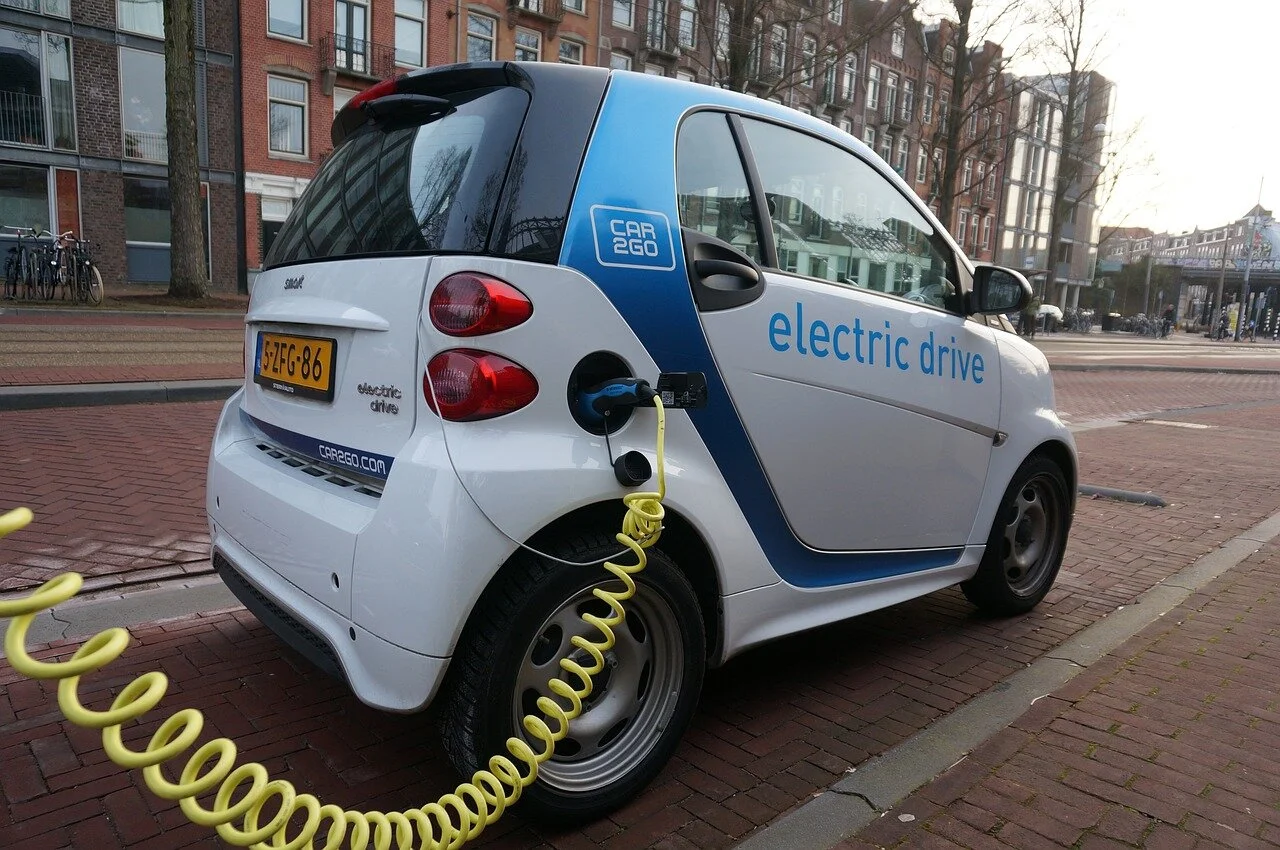
Working with New Zealand Post to provide finance to help its contractors transition to electric vans
Helping electrify public transport through investments in Zenobē, as well as the new Kinetic investment
Finance to help CentrePort with decarbonisation projects, including replacing diesel container transfer vehicles with electric vehicles
At the end of last year, there were 2638 public transport buses in New Zealand. As of January this year, there were 203 electric buses on the road.
.


Lisa was born in Auckland at the start of the 1970s, living in a small campsite community on the North Shore called Browns Bay. She spent a significant part of her life with her grandparents, often hanging out at the beaches. Lisa has many happy memories from those days at Browns Bay beach, where fish were plentiful on the point and the ocean was rich in seaweed. She played in the water for hours, going home totally “sun-kissed.” “An adorable time to grow up,” Lisa tells me.
Lisa enjoyed many sports; she was a keen tennis player and netballer, playing in the top teams for her age right up until the family moved to Wellington. Lisa was fifteen years old, which unfortunately marked the end of her sporting career. Local teams were well established in Wellington, and her attention was drawn elsewhere.