




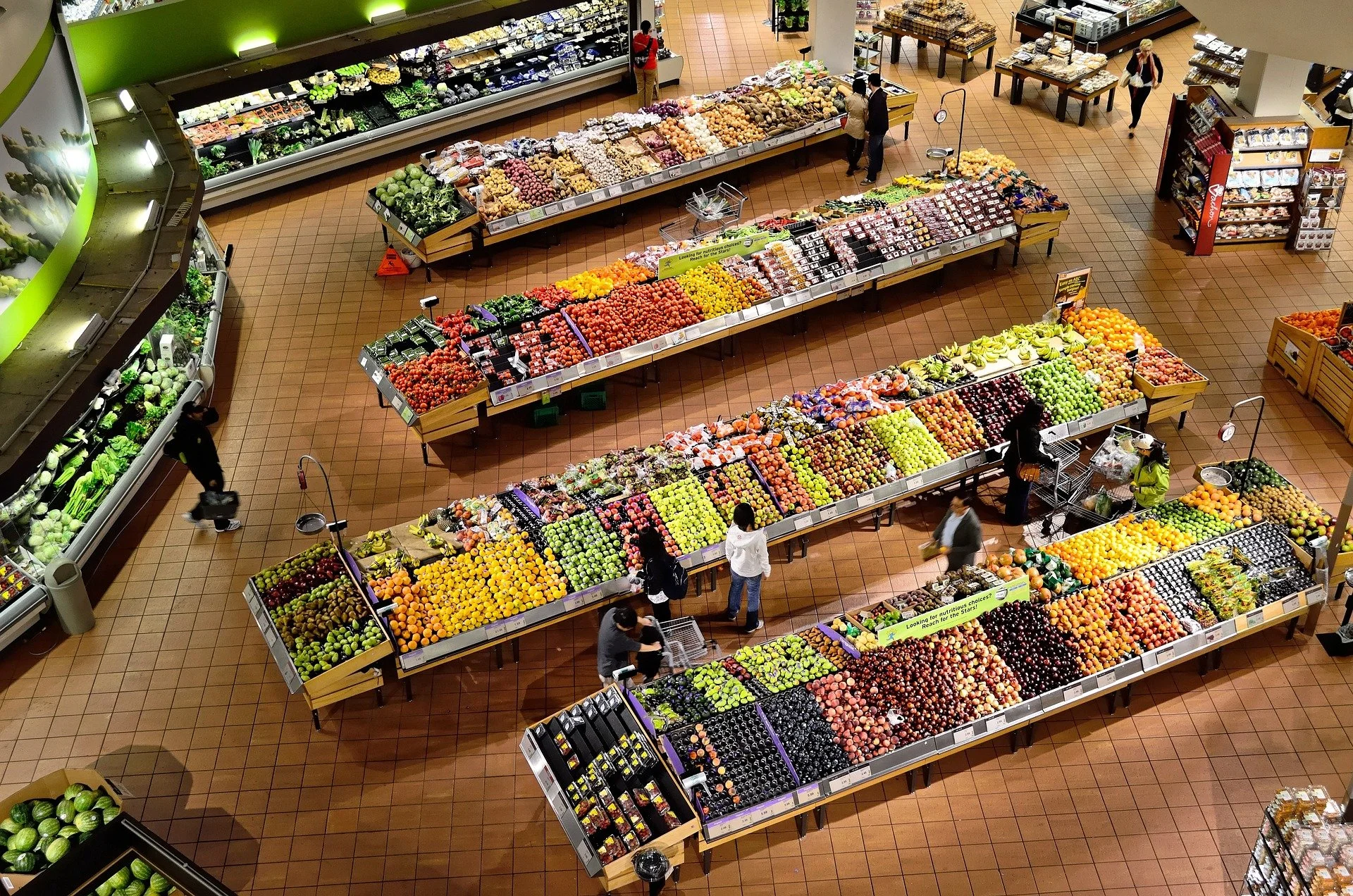
Grocery prices largest contributor in annual increases
Te Whanganui-a-Tara - Food prices were 12.1 percent higher in March 2023 than they were in the year to March 2022, according to figures released by Stats NZ today.
Grocery food was the largest contributor to this movement.
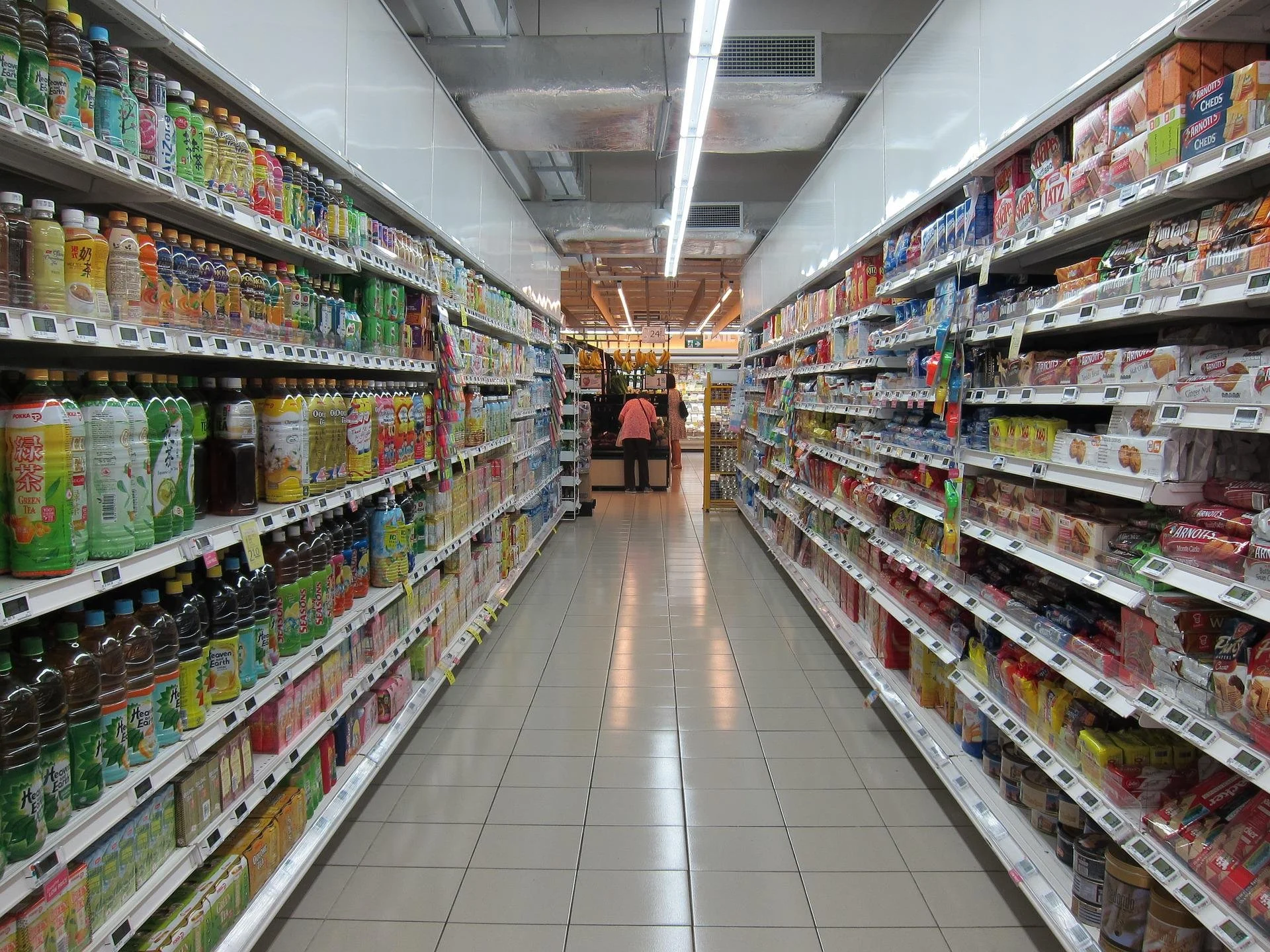
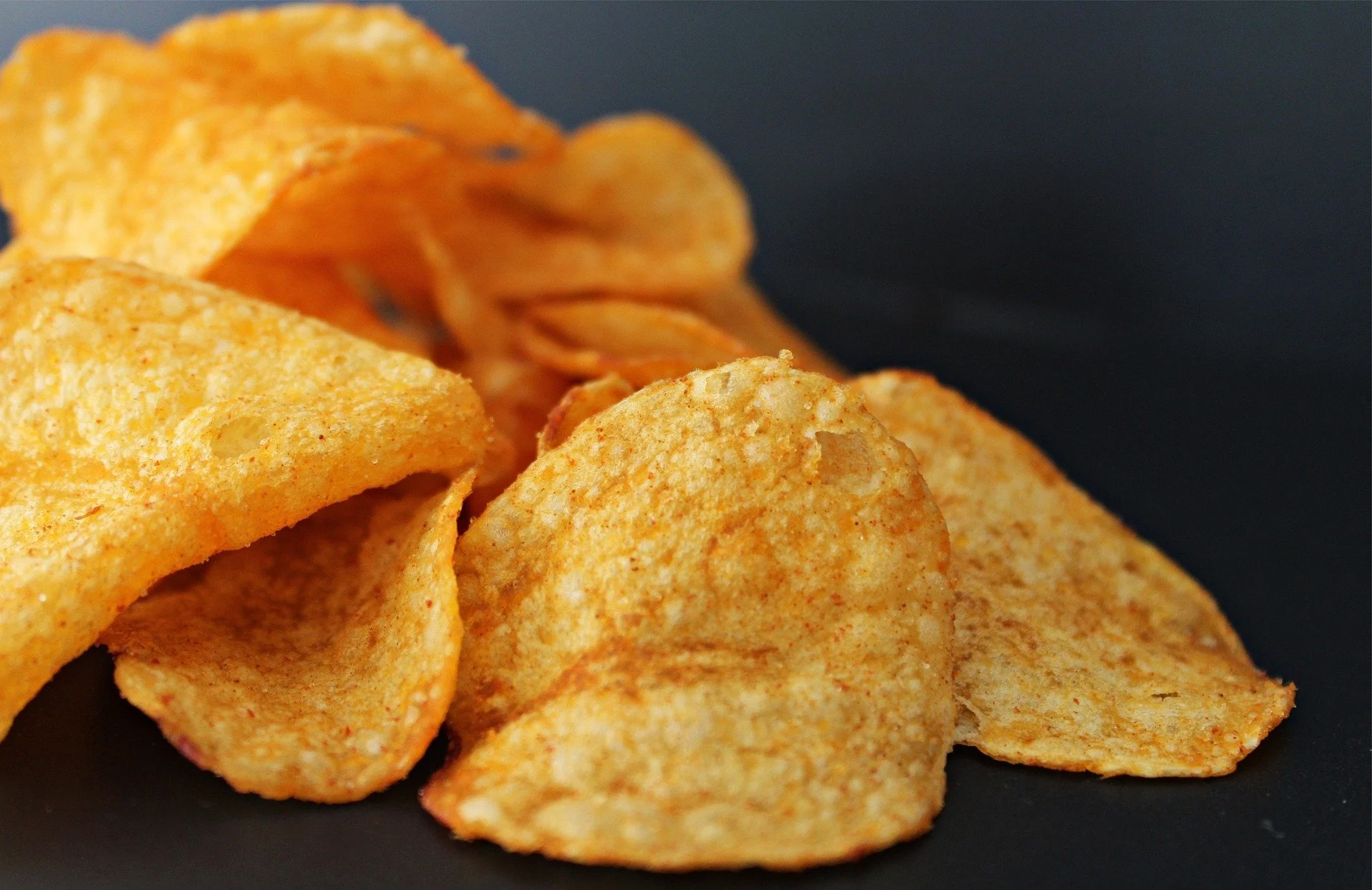
“Increasing prices for barn or cage-raised eggs, potato chips, and 6-pack yoghurt were the largest drivers within grocery food,” Stats NZ consumer prices manager James Mitchell says.
In March 2023, the annual increase was due to rises across all the broad food categories Stats NZ measures. Compared with March 2022:
grocery food prices increased by 14 percent
fruit and vegetables prices increased by 22 percent
restaurant meals and ready-to-eat food prices increased by 8.7 percent
meat, poultry and fish prices increased by 7.8 percent
non-alcoholic beverage prices increased by 8.2 percent.
The second-largest contributor to the annual movement was fruit and vegetables. The increase was driven by tomatoes, potatoes, and avocados.
Monthly food prices rose 0.8 percent in March 2023 compared with February 2023. After adjusting for seasonal effects, they were up 0.5 percent.
The 2.3 percent increase in grocery food was the largest contributor to the monthly movement. Within this group, the items having the greatest impact were barn or cage-raised eggs, six-pack yoghurt and boxed chocolates.
These price rises were partly offset by a 1.0 percent fall in meat, poultry, and fish.
The global cost-of-living crisis has left many countries facing double- and even triple-digit year-on-year food price inflation.
The World Bank has announced a $30 billion support package aimed at boosting food and nutrition security, reducing risks and strengthening food systems.
The World Economic Forum says the cost-of-living and energy crises could ease by the end of 2023.
The global food crisis has been exacerbated by the imposition of food trade restrictions imposed following Russia’s invasion of Ukraine, as countries attempted to increase domestic food supplies and curb inflation.
As of December 2022, 19 countries have imposed food-export bans and eight have put in place export restrictions, according to the World Bank.



Lisa was born in Auckland at the start of the 1970s, living in a small campsite community on the North Shore called Browns Bay. She spent a significant part of her life with her grandparents, often hanging out at the beaches. Lisa has many happy memories from those days at Browns Bay beach, where fish were plentiful on the point and the ocean was rich in seaweed. She played in the water for hours, going home totally “sun-kissed.” “An adorable time to grow up,” Lisa tells me.
Lisa enjoyed many sports; she was a keen tennis player and netballer, playing in the top teams for her age right up until the family moved to Wellington. Lisa was fifteen years old, which unfortunately marked the end of her sporting career. Local teams were well established in Wellington, and her attention was drawn elsewhere.