




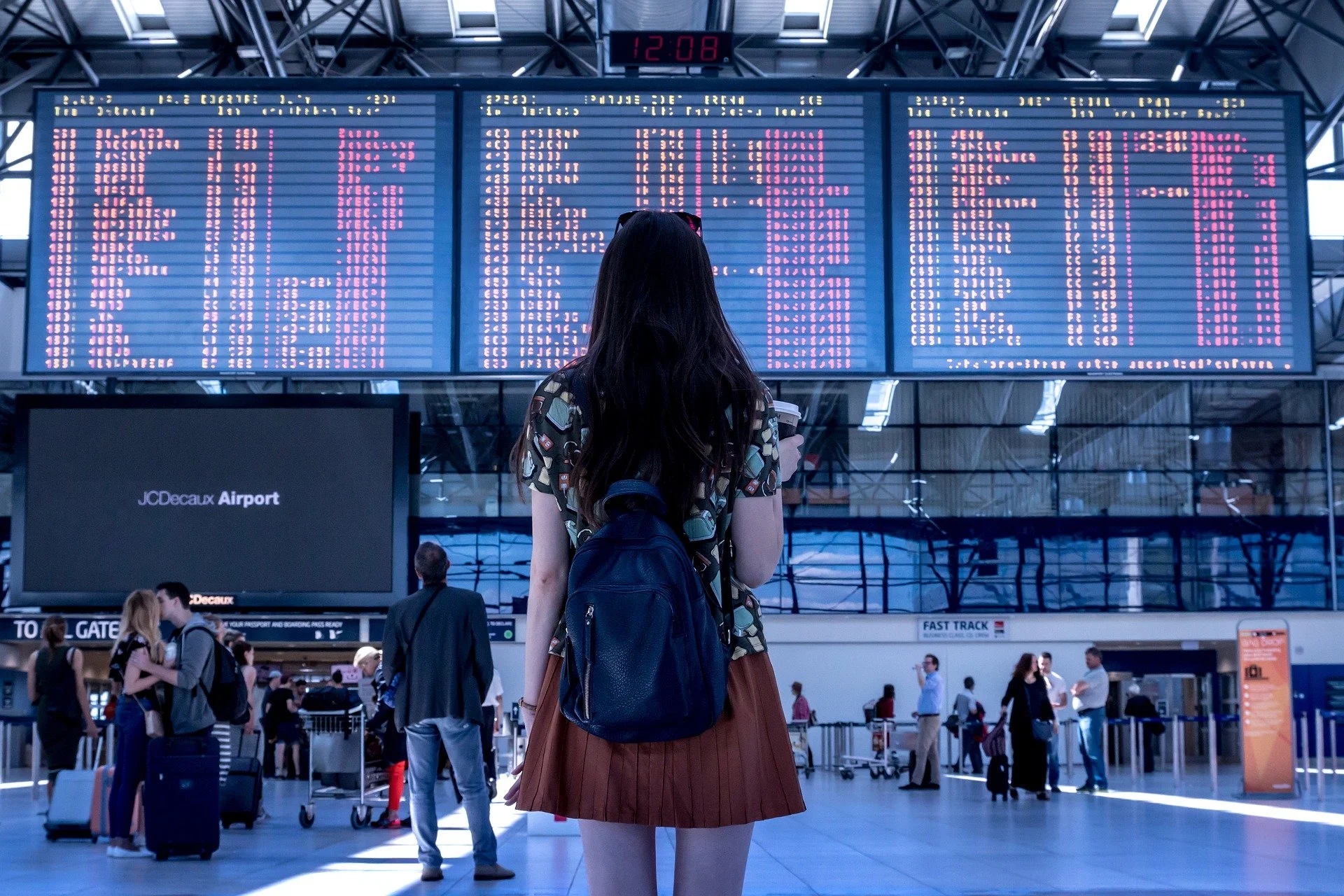
A more modern New Zealand border on its way
Te Whanganui-a-Tara - Legislation supporting safer, smarter and more streamlined border management, including the transition to an online digital traveller declaration, has passed its third reading in parliament.
The changes in the Customs and Excise (Arrival Information) Amendment Bill make the obligations concerning arrival information clearer, improve the enforcement of arrival information obligations, and support modernising New Zealand’s border with the implementation of a digital arrival card.
As passenger volumes increase, it’s important that Aotearoa border processes are as efficient as possible to support a positive traveller experience while also helping to make our border safer and smarter, customs minister Jo Luxton says.
“This legislation, which supports the transition to an online arrival declaration, allows for traveller information to be provided digitally and can be voluntarily provided prior to arrival to streamline the process for travellers coming to New Zealand.
“Customs has a significant role at our border. These changes will help frontline customs officers identify risks more quickly and efficiently, and better enforce the requirements to keep New Zealand and Kiwis safe.”
The legislation also creates two new offences. The first offence relates to if a person fails to provide required arrival information, while the second offence is where a person provides incorrect or false information which is not merely trivial or inconsequential.
For example, if they say they do not have $NZ10,000 or more in cash but they are carrying $NZ10,000 or more in cash.
“Given most people want to comply with customs’ requirements and complete their arrival information, we anticipate the new offences are only likely to capture a handful of people who don’t, or who provide false information.
Both offences will be made into infringement offences which can result in a fine. This acts as an additional incentive to encourage travellers to follow the rules.
The legislation comes into force on June 21. For certain classes of maritime vessels, the new arrival obligation will come into force on or after October 31.
The changes also include providing customs with the ability to verify information relating to travellers’ compliance with requirements administered by other agencies, for example if there were health requirements at the border in place




Lisa was born in Auckland at the start of the 1970s, living in a small campsite community on the North Shore called Browns Bay. She spent a significant part of her life with her grandparents, often hanging out at the beaches. Lisa has many happy memories from those days at Browns Bay beach, where fish were plentiful on the point and the ocean was rich in seaweed. She played in the water for hours, going home totally “sun-kissed.” “An adorable time to grow up,” Lisa tells me.
Lisa enjoyed many sports; she was a keen tennis player and netballer, playing in the top teams for her age right up until the family moved to Wellington. Lisa was fifteen years old, which unfortunately marked the end of her sporting career. Local teams were well established in Wellington, and her attention was drawn elsewhere.