




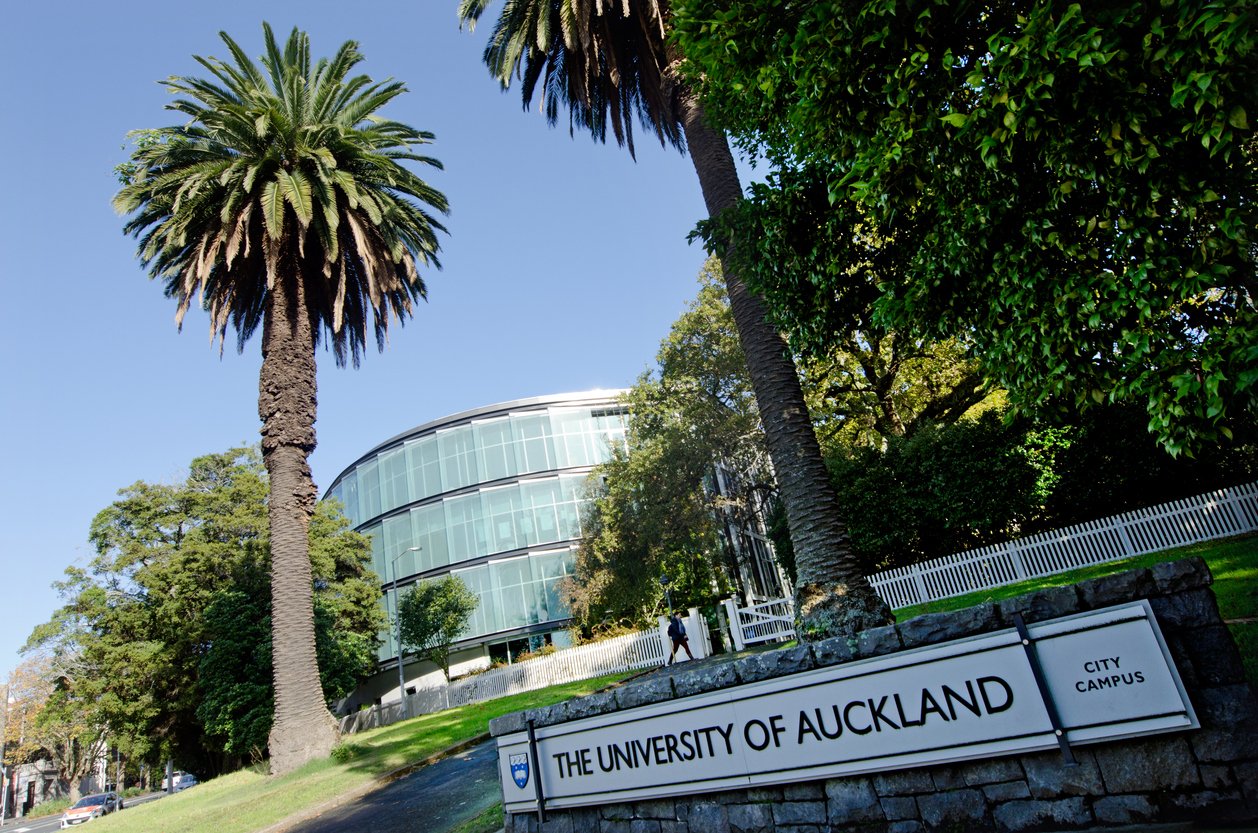
Vice-Chancellor responds to research and science reforms

The Vice-Chancellor of New Zealand’s leading university, and the country’s largest research-led institution, says the changes announced today by the government to reform the science sector, informed by the first report of the Science System Advisory Group, will need to incorporate robust systems to identify funding priorities and measure research impact.
Responding to the research and science reforms, the University of Auckland’s Professor Dawn Freshwater welcomed the emphasis on research impact and end-user outcomes.
“We will always require investment in basic science and discovery. Research is an ecosystem that starts with these fundamentals.
“New Zealand has pockets of world-leading science and discovery. However, the pipeline to innovation, translation and commercialisation must be joined up with government, business, industry and incentivised researchers working together.”
In this context, Professor Freshwater says that focused discovery, translation application and commercialisation will better deliver innovation, economic development, skill and novel contributions to societal challenges. She applauded changes to incentivise quality, relevant and impactful research.
However, she added that the system must have a “coherent strategy and governance around funding priorities and investments as well as ways of monitoring, evaluating and measuring the impact and outcomes across all domains”.
Professor Freshwater says it is also essential that New Zealand’s research takes account of the research relevance in social sciences and humanities and their importance in enhancing and advancing societies and creating social cohesion.
Noting the recently released global report on trust in science and the comparatively high levels of trust in New Zealand, Professor Freshwater says, “We must now build on that trust as a nation and realise this strength amongst New Zealanders.
“Universities are committed to a future-focused, relevant and impactful role as part of a recharged and reformed research and science ecosystem. International collaborations are essential to maximise this, creating strength and the potential to deliver world-leading outcomes with reach well beyond New Zealand.”
Among the changes revealed today, Science, Innovation and Technology Minister Judith Collins announced that the seven Crown Research Institutes will be consolidated into four Public Research Organisations. Read more.
Ends




Lisa was born in Auckland at the start of the 1970s, living in a small campsite community on the North Shore called Browns Bay. She spent a significant part of her life with her grandparents, often hanging out at the beaches. Lisa has many happy memories from those days at Browns Bay beach, where fish were plentiful on the point and the ocean was rich in seaweed. She played in the water for hours, going home totally “sun-kissed.” “An adorable time to grow up,” Lisa tells me.
Lisa enjoyed many sports; she was a keen tennis player and netballer, playing in the top teams for her age right up until the family moved to Wellington. Lisa was fifteen years old, which unfortunately marked the end of her sporting career. Local teams were well established in Wellington, and her attention was drawn elsewhere.