




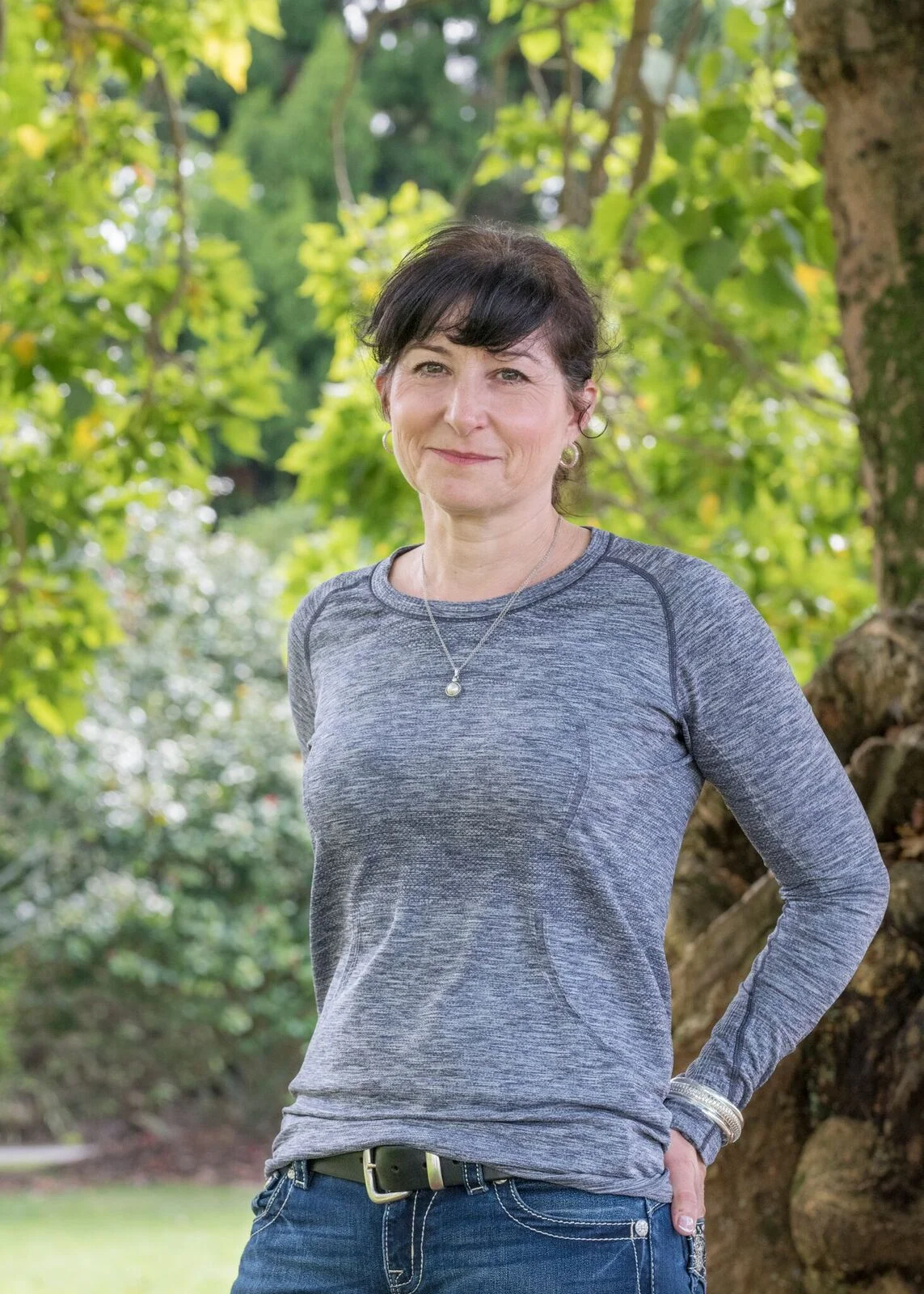
BiotechNZ produces landmark report to boost Kiwi businesses
Auckland - BiotechNZ is helping the government grow New Zealand’s highly regarded biotech industry, its executive director Dr Zahra Champion says.
The latest Scientific American Worldview scorecard for biotech, places New Zealand fourth in the world behind the US, Singapore and Denmark, and one place ahead of Australia.
The scorecard evaluates countries on their innovation potential in biotech looking at categories IP protection, intensity, enterprise support, education and workforce, foundations, and policy stability.
And according to the 2018 QS global university rankings, New Zealand is home to two of the world’s top 100 life science and medicine universities - Auckland and Otago.
BiotechNZ, part of the NZTech alliance, has produced an overview paper for MBIE about New Zealand’s biotechnology industry, identifying New Zealand’s global strengths and opportunities in biotech.
“New Zealand has a strong history in primary production – particularly across dairy, seafood, meat, and natural products,” Dr Champion says.
“This has enabled the development of world companies in niche fields within human health research and animal research. We have the capability to support international companies developing human therapeutics that require animal-derived ingredients.”
Dr Champion says geographical isolation and strong biosecurity protect New Zealand’s unique biodiversity and enable the country to remain free of many of the significant diseases affecting animals in other parts of the world.
Several New Zealand companies, such as Aroa Biosurgery, MP Biomedicals and South Pacific Sera have gained traction in the international market with animal-derived materials.
“Our country offers many significant advantages to the production of medicinal plants for the pharmaceutical and consumer.
“Natural products have been a significant source of pharmaceuticals and consumer health products. Depending on what is defined as a natural product derived drug, it is estimated that between 25 and 50 percent of all currently marketed drugs owe their origins to natural product sources.
“Ārepa produces a health drink containing powerful New Zealand blackcurrants, pine bark extract and Japanese green tea constituents to support healthy brain activity and reduce stress.
“In the case of anti-cancer and anti-infective agents, the proportion of drugs derived from natural products could be as high as 70 percent.
“Research estimates that the global market for botanical and plant derived drugs will grow from $US29.4 billion in 2017 to around $US39.6 billion by 2022.
“A medical-grade kanuka honey developed by kiwi researchers, Honey Lab, can not only treat a number of skin diseases, but could so help combat the global health emergency of antibiotic resistance.
“New Zealand offers many significant advantages to the production of medicinal plants for the pharmaceutical and consumer health industry.
“The current landscape around hemp and medicinal cannabis is opening up an opportunity for Kiwi firms to lead the high-value activities of a fast-growing global market, including companies such as Hikurangi Cannabis, Helius Theraputics and Cannasouth,” Dr Champion says.
New Zealand has high levels of research capability in biotechnology research, a well-connected ecosystem, and, with the launch of the new research and development tax incentives, it is a competitive country to conduct research and development, she says.
For further information contact Make Lemonade editor-in-chief Kip Brook on 0275 030188
Photo: Dr Zahra Champion




Lisa was born in Auckland at the start of the 1970s, living in a small campsite community on the North Shore called Browns Bay. She spent a significant part of her life with her grandparents, often hanging out at the beaches. Lisa has many happy memories from those days at Browns Bay beach, where fish were plentiful on the point and the ocean was rich in seaweed. She played in the water for hours, going home totally “sun-kissed.” “An adorable time to grow up,” Lisa tells me.
Lisa enjoyed many sports; she was a keen tennis player and netballer, playing in the top teams for her age right up until the family moved to Wellington. Lisa was fifteen years old, which unfortunately marked the end of her sporting career. Local teams were well established in Wellington, and her attention was drawn elsewhere.