




Dramatic One-Two victory for TOYOTA GAZOO Racing
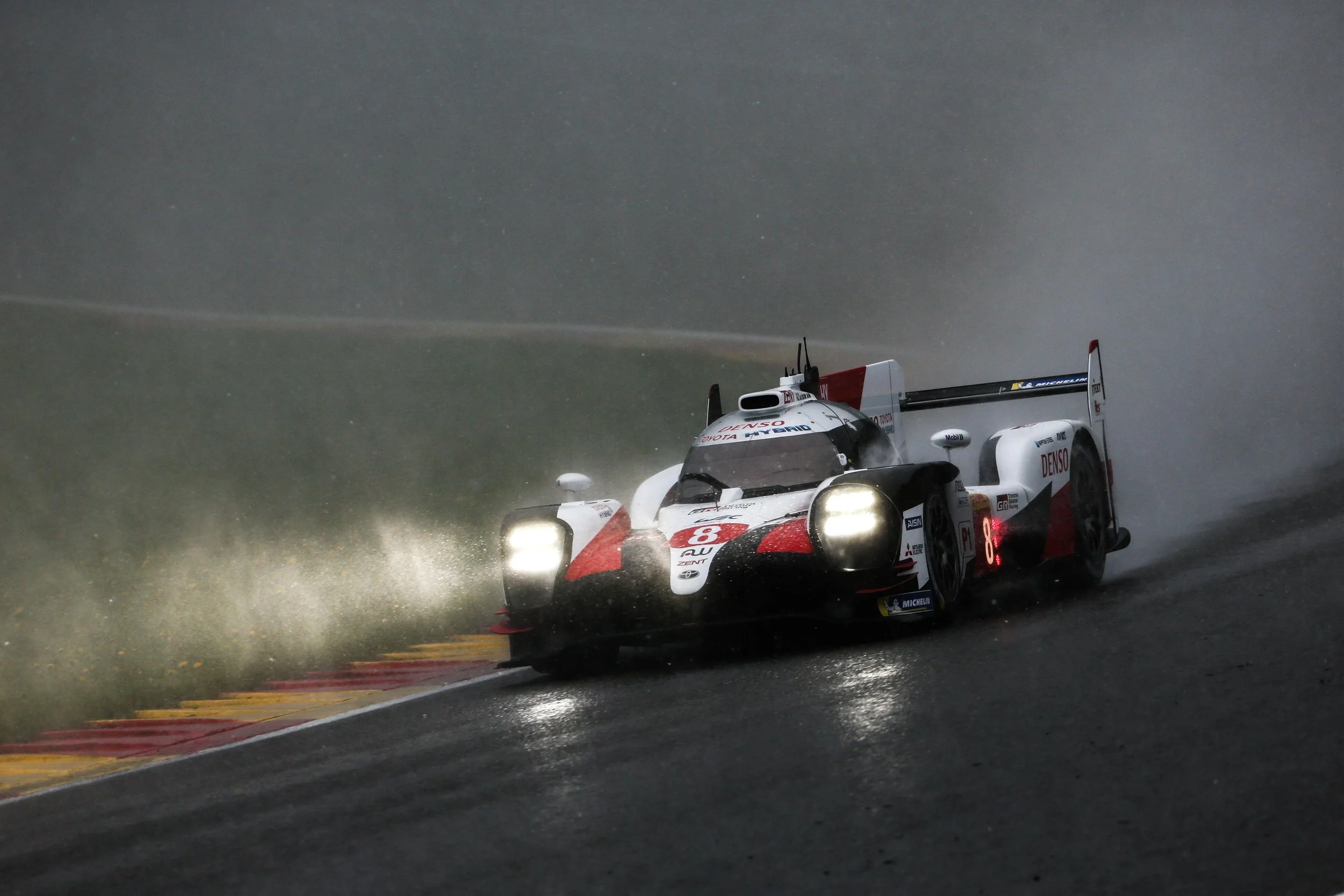
TOYOTA GAZOO Racing won the 87th Le Mans 24 Hours with a one-two finish at the Circuit de la Sarthe following a dramatic final hour of the 2018-2019 FIA World Endurance Championship (WEC) season.

Sébastien Buemi, Kazuki Nakajima and Fernando Alonso, in the #8 TS050 HYBRID, defended their Le Mans crown and secured the drivers’ World Championship in the process, winning by 16.9secs from team-mates Mike Conway, Kamui Kobayashi and José María López in the #7.
The Le Mans 24 Hours race was Fernando’s last WEC for TOYOTA GAZOO Racing. He has been replaced for the next season starting 1 September by New Zealander, Brendon Hartley.
The #7 car had been heading for a certain victory towards the closing stages of the race but was denied the win in a dramatic finish.
On the 367th lap, with a lead of over two minutes, data on the #7 car indicated a puncture and José pitted to replace the tyre. A sensor issue resulted in the wrong tyre being identified, meaning José left the pits still with a deflating tyre. That necessitated a slow lap back to the pits when all four tyres were changed, handing an unassailable lead to Kazuki in the #8.
The #7 crew had controlled much of the contest, having set the fastest-ever Le Mans race lap of 3mins 17.297secs. Other motorsport records were rewritten too; Kazuki became the first circuit-racing World Champion from Japan and Fernando is the second driver to win four-wheel world titles in two different disciplines, having previously been crowned Formula One champion.
The #7 car had started the race from pole position following Kamui’s fastest qualifying lap, with the #8 starting just behind. That set the scene for an exciting and close battle for overall victory between the two 1,000PS TS050 HYBRIDs, with momentum swinging one way and then the other.
After 12 hours the two Toyotas were separated by only 8.6secs. In the night, the #7 seized a decisive advantage as the sister car faced an aerodynamic imbalance. That was caused by bodywork damage due to the rigours of a tough, flat-out contest although the cars were always on the same lap.
As the final hours approached, the gap remained relatively stable around two minutes and the focus switched to bringing the cars home safely. All appeared to be going to plan until the #7 experienced its dramas and Kazuki took the lead with less than an hour to go.
-Ends-

Lisa was born in Auckland at the start of the 1970s, living in a small campsite community on the North Shore called Browns Bay. She spent a significant part of her life with her grandparents, often hanging out at the beaches. Lisa has many happy memories from those days at Browns Bay beach, where fish were plentiful on the point and the ocean was rich in seaweed. She played in the water for hours, going home totally “sun-kissed.” “An adorable time to grow up,” Lisa tells me.
Lisa enjoyed many sports; she was a keen tennis player and netballer, playing in the top teams for her age right up until the family moved to Wellington. Lisa was fifteen years old, which unfortunately marked the end of her sporting career. Local teams were well established in Wellington, and her attention was drawn elsewhere.