




Kiwis’ digital privacy must be protected
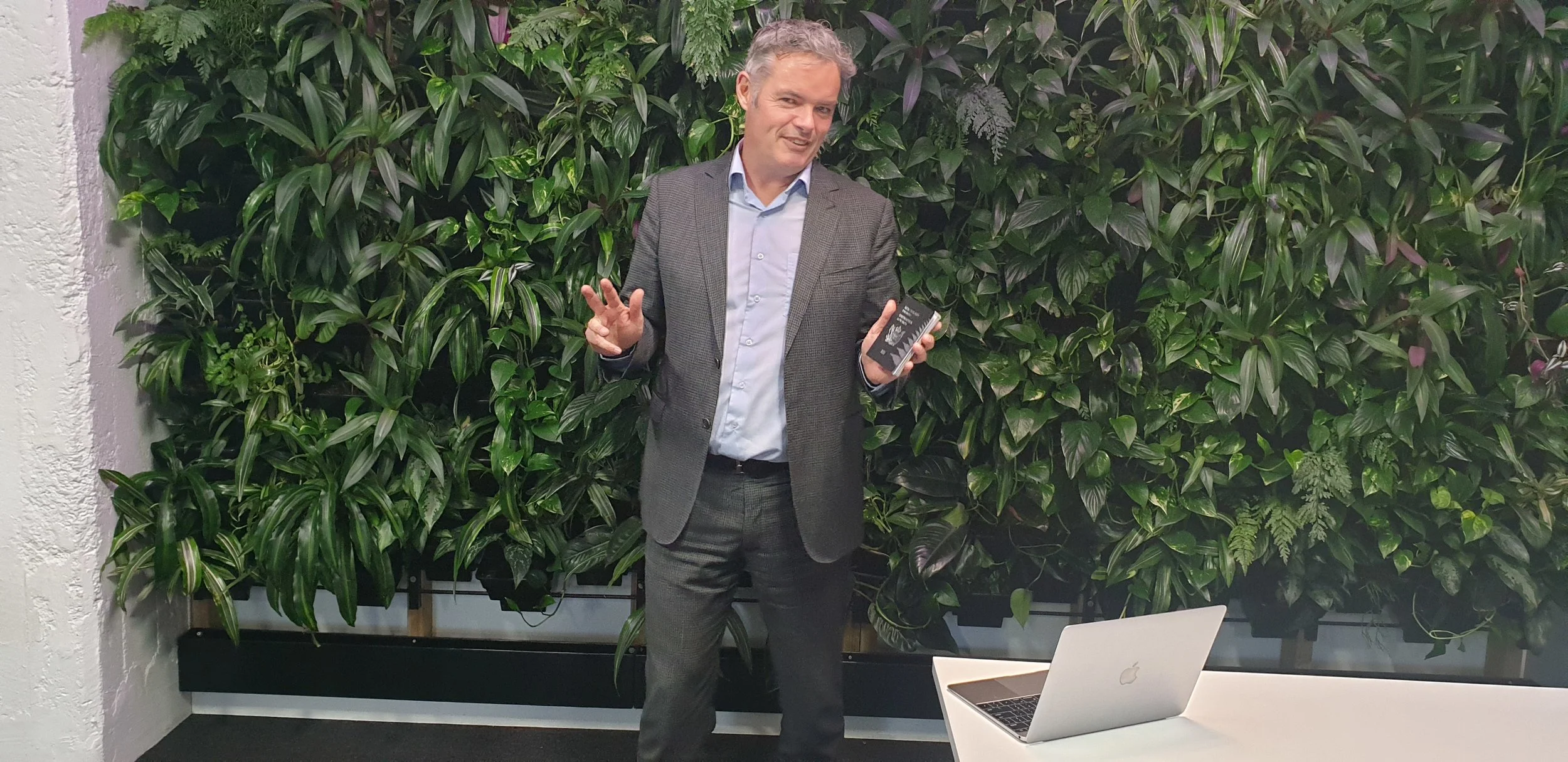
Wellington - Nearly 80 percent of New Zealanders are concerned about how their identity is managed online, Digital Identity NZ executive director Andrew Weaver will tell an international business conference in Singapore this week.
Weaver has been invited to speak at the Seamless Asia summit and says one of the major digital concerns for Kiwis is transparency and control.
“A total of 85 percent of people simply do not know what organisations are doing with the personal information that is entrusted to them, and they are concerned about who has access to it and who may be making money from it.
“Only one in 20 New Zealanders feels confident about their rights when dealing with organisations online. For those who don’t feel confident, 58 percent say they don’t know how to protect themselves.
“The figures are more disturbing for those who do have an understanding of security and privacy concerns, with 68 percent of people saying that they find it hard to protect themselves online because they do not have the necessary tools to do so.
“These sentiments are further highlighted when people are asked if they like the idea of being more in control of their digital identity, with 93 percent of people saying yes.”
“We recently commissioned a survey which found that 89 percent of people were worried about their data being shared with a third party without their permission. And 88 percent of people were worried their credit cards would be stolen and their personal data being leaked or hacked online.”
Weaver says Digital Identity NZ wants to see people in control and ownership of their digital identity, as personal information and data is rightly owned by the individual.
He wants to enable people to participate in the economy and society more easily with confidence and choice - this is about ease of access, as well as transparency and control.
“Our research survey showed a very large gap between what people want to see and what they are offered now.
“This highlights some significant paradigm shifts that we as a nation must address with some urgency. Personal data must be the property of every individual.
“This is a very important conference because the Asia Pacific region accounts for 40 percent of global e-commerce sales and by 2025, online sales are predicted to be worth $88 billion,” he says.
New Zealanders consider personal information or data in areas such as a driver’s licence or passport, transactions, contact details, names and addresses, employment details, online browsing, marital status, loyalty card usage, demographic details, photos and videos uploaded, date from apps, social media activity and posts and heritage and ancestry.
Digital Identity NZ is part of the NZ Tech Alliance and is seeking improve how digital identity is perceived and managed.
For further information contact Make Lemonade NZ editor-in-chief Kip Brook on 0275 030188.
Photo: Andrew Weaver



Lisa was born in Auckland at the start of the 1970s, living in a small campsite community on the North Shore called Browns Bay. She spent a significant part of her life with her grandparents, often hanging out at the beaches. Lisa has many happy memories from those days at Browns Bay beach, where fish were plentiful on the point and the ocean was rich in seaweed. She played in the water for hours, going home totally “sun-kissed.” “An adorable time to grow up,” Lisa tells me.
Lisa enjoyed many sports; she was a keen tennis player and netballer, playing in the top teams for her age right up until the family moved to Wellington. Lisa was fifteen years old, which unfortunately marked the end of her sporting career. Local teams were well established in Wellington, and her attention was drawn elsewhere.