





NZ can do better on digital privacy
Wellington - New Zealand can do better than to accept that just two percent of people trust social media to look after their information, when 75 percent of Kiwis go ahead anyway, Digital Identity NZ executive director Andrew Weaver says.
He was commenting on Symantec’s latest Insights Report which shines a light on the challenge Kiwis face in an increasingly online world.
“We have a real paradox as just two percent of people believe social media players keep their data private, but three quarters of people go ahead anyway,” Weaver says.
“This makes more sense when we see that 85 percent of people want to do more to protect their privacy, but less than half have any idea how to do it.
“We would go further and suggest that a large number of companies with an online presence do not offer their customers meaningful and accessible options when it comes to doing business with them - a my way or the highway approach. Surely we can do better.
“Digital Identity NZ is an organisation committed to improving access, security and privacy for anyone interacting online.
“We have commissioned our partner, Yabble, to undertake further research in this area. In particular, focusing on the emerging concept of self-sovereign identity. At its core, self-sovereign identity is about giving individuals, who are the true owners of personal data, secure and simple to use ways of ‘doing business’ online, without sacrificing their privacy.
“We want to find a better way; bringing together government, iwi, businesses, technology providers, innovators, educators and academics to put people at the centre of the discussion and to give them the choice and the means to protect themselves.
“We want to bridge the gap and empower the 54 percent of Kiwis who currently don’t know what to do to protect their privacy,” he says.
Digital Identity NZ is part of the NZ Tech Alliance.
For further information contact Kip Brook on 0275 030188
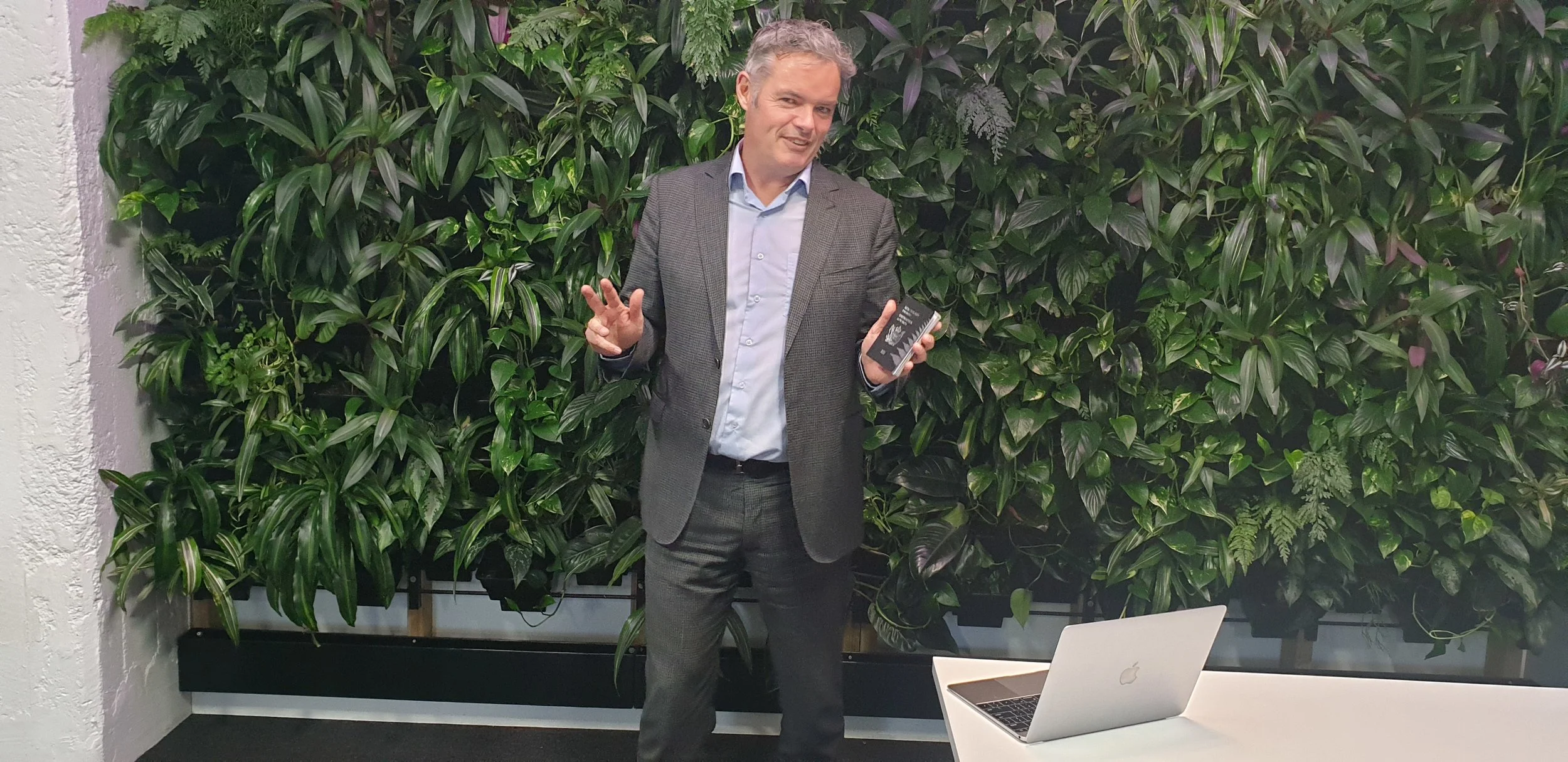
Photo: Andrew Weaver



Lisa was born in Auckland at the start of the 1970s, living in a small campsite community on the North Shore called Browns Bay. She spent a significant part of her life with her grandparents, often hanging out at the beaches. Lisa has many happy memories from those days at Browns Bay beach, where fish were plentiful on the point and the ocean was rich in seaweed. She played in the water for hours, going home totally “sun-kissed.” “An adorable time to grow up,” Lisa tells me.
Lisa enjoyed many sports; she was a keen tennis player and netballer, playing in the top teams for her age right up until the family moved to Wellington. Lisa was fifteen years old, which unfortunately marked the end of her sporting career. Local teams were well established in Wellington, and her attention was drawn elsewhere.