




The world needs provide more safe water
Ōtautahi - The world needs to find ways how to provide safe water to billions of people by 2030, when 1.6 billion people will probably still be without clean drinking water.
Water treatment technologies are abundant and may be faster and more practical in many places than piped, chlorinated water.
Countries can reach more people faster by embracing varied options, such as household water treatment, and building local water expertise around the world.
Since the 1990s, the rate at which people around the world are gaining access to safe water has not changed.
This means the world will not reach the United Nations’ goals to ensure access to water and sanitation for all by the 2030 deadline.
According to UN-Water, the rate of progress needs to quadruple. In 2020, a considerable feat was achieved with 107 million people gaining access to safe drinking water at home.
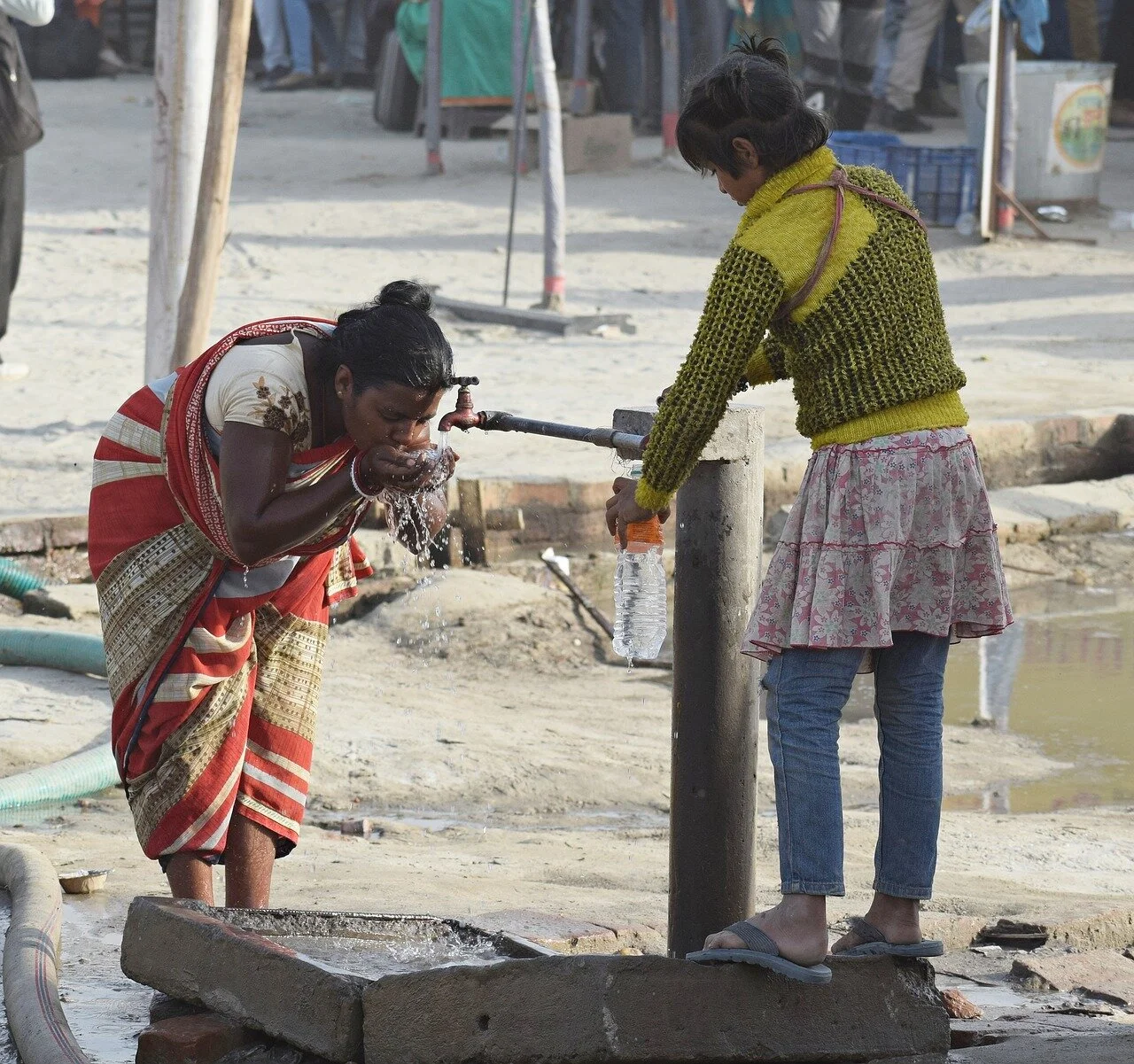
Drinking unsafe water poses a daily risk, with serious health consequences including sickness or death. When people start drinking water that is free from contamination, cases of waterborne disease drop dramatically.
Babies have a better chance of living past the age of five, children can attend school regularly and parents can be steady providers. Water unlocks human potential and increases opportunities for people to succeed.
The good news is that the solutions for improved water don’t require NASA-level scientists. Technological solutions are already abundant. Many of us are most familiar with piped, chlorinated water but there are many other ways to get safe water into a home.
One proven approach is household water treatment. It follows the same steps as a municipal-level water treatment scheme but can be done right at home: protect the source, treat the water, and transport and store it safely.
By embracing this as an option, we can change many more lives sooner.

Lisa was born in Auckland at the start of the 1970s, living in a small campsite community on the North Shore called Browns Bay. She spent a significant part of her life with her grandparents, often hanging out at the beaches. Lisa has many happy memories from those days at Browns Bay beach, where fish were plentiful on the point and the ocean was rich in seaweed. She played in the water for hours, going home totally “sun-kissed.” “An adorable time to grow up,” Lisa tells me.
Lisa enjoyed many sports; she was a keen tennis player and netballer, playing in the top teams for her age right up until the family moved to Wellington. Lisa was fifteen years old, which unfortunately marked the end of her sporting career. Local teams were well established in Wellington, and her attention was drawn elsewhere.