





Fluoride in more drinking supplies on the cards
Te Whanganui-a-Tara - The government’s making changes to protect more New Zealanders from the pain and cost of tooth decay and poor oral health.
It will soon decide whether a community drinking water supply should be fluoridated, after the Health (Fluoridation of Drinking Water) Amendment Bill was passed by Parliament.
This will ensure a nationally consistent approach to community water fluoridation based on its well-established health benefits.
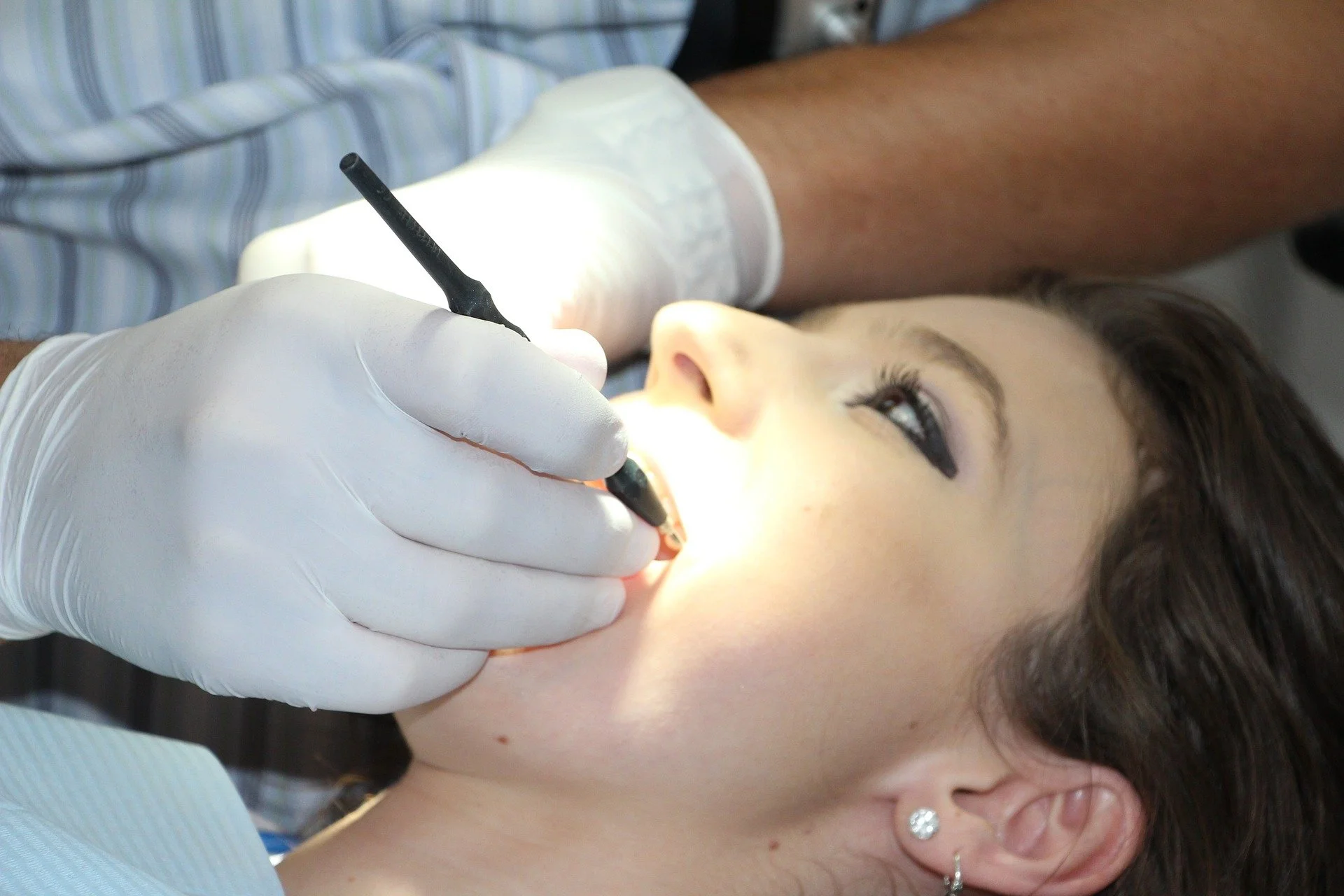
Tooth decay is a common problem in New Zealand but is largely preventable. In 2019, 6270 children under 14 years old had to have operations or other hospital treatments because of tooth decay or associated infections.
Fluoridating drinking water is widely recognised as one of the most important measures to improve oral health, because it acts like a constant repair kit - fixing the effect of acids that cause decay.
Increasing fluoridation coverage will particularly benefit groups with high rates of preventable tooth decay, including Māori and those living in deprived communities.
Community water fluoridation is effective, safe and affordable. It is a scientifically proven public health measure that will improve the oral health of tens of thousands of New Zealanders.
Currently 2.3 million people, just under half of New Zealand’s population, have access to fluoridated drinking water.
More than 60 years of international and local studies show children and adults living in areas with water fluoridation experience significantly lower rates of tooth decay than those living in non-fluoridated areas.
Private water supplies will not be required to be fluoridated.
Local authorities and water suppliers will still be responsible for providing safe drinking water to their communities, and still need to meet water safety regulations.
Initial funding of $8.3 million, plus an additional $3 million per year, will be available to contribute towards local authorities’ fluoridation-related capital works.


Lisa was born in Auckland at the start of the 1970s, living in a small campsite community on the North Shore called Browns Bay. She spent a significant part of her life with her grandparents, often hanging out at the beaches. Lisa has many happy memories from those days at Browns Bay beach, where fish were plentiful on the point and the ocean was rich in seaweed. She played in the water for hours, going home totally “sun-kissed.” “An adorable time to grow up,” Lisa tells me.
Lisa enjoyed many sports; she was a keen tennis player and netballer, playing in the top teams for her age right up until the family moved to Wellington. Lisa was fifteen years old, which unfortunately marked the end of her sporting career. Local teams were well established in Wellington, and her attention was drawn elsewhere.