




Carbon footprint of McDonald’s food
London - A big mac’s carbon footprint is equivalent to driving a car nearly 13km, new data shows.
A spokesperson for McDonald's said the company takes climate responsibility incredibly seriously. In terms of carbon dioxide emissions, a single big mac is to blame for 2.35kg of CO2.
That’s according to an analysis, which compared the environmental impact of 11 of the fast food chain’s options.
A big mac can be run through a carbon calculator, Plate up for the Planet, to get the results.
It found that producing a Big Mac leads to the emission of 2.35kg of CO2; the same as driving an average petrol car on a 24km trip.
Beef, heavily featured in both burgers, has continually been called out as one of the most destructive foods on the planet.
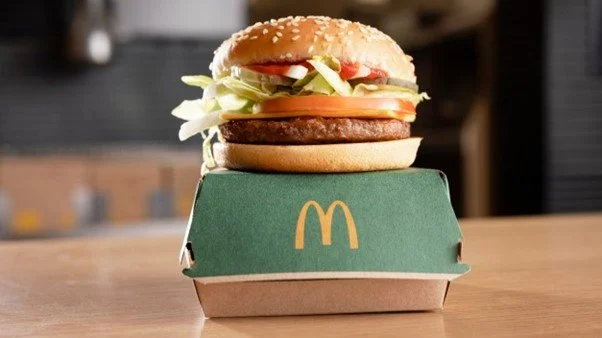
McDonald’s beef patties emit 2.11kg of CO2. In contrast, the chain’s plant-based beef patties, such as its new mcplant burger, are responsible for just 0.12kg of CO2.
But where the burger ingredients are sourced from is also to blame for their large carbon footprints.
The quarter pounder, the bacon double cheeseburger, and 20 mcnuggets account for 2.99kg, 2.87kg, and 2.12kg of CO2 equivalents, respectively.
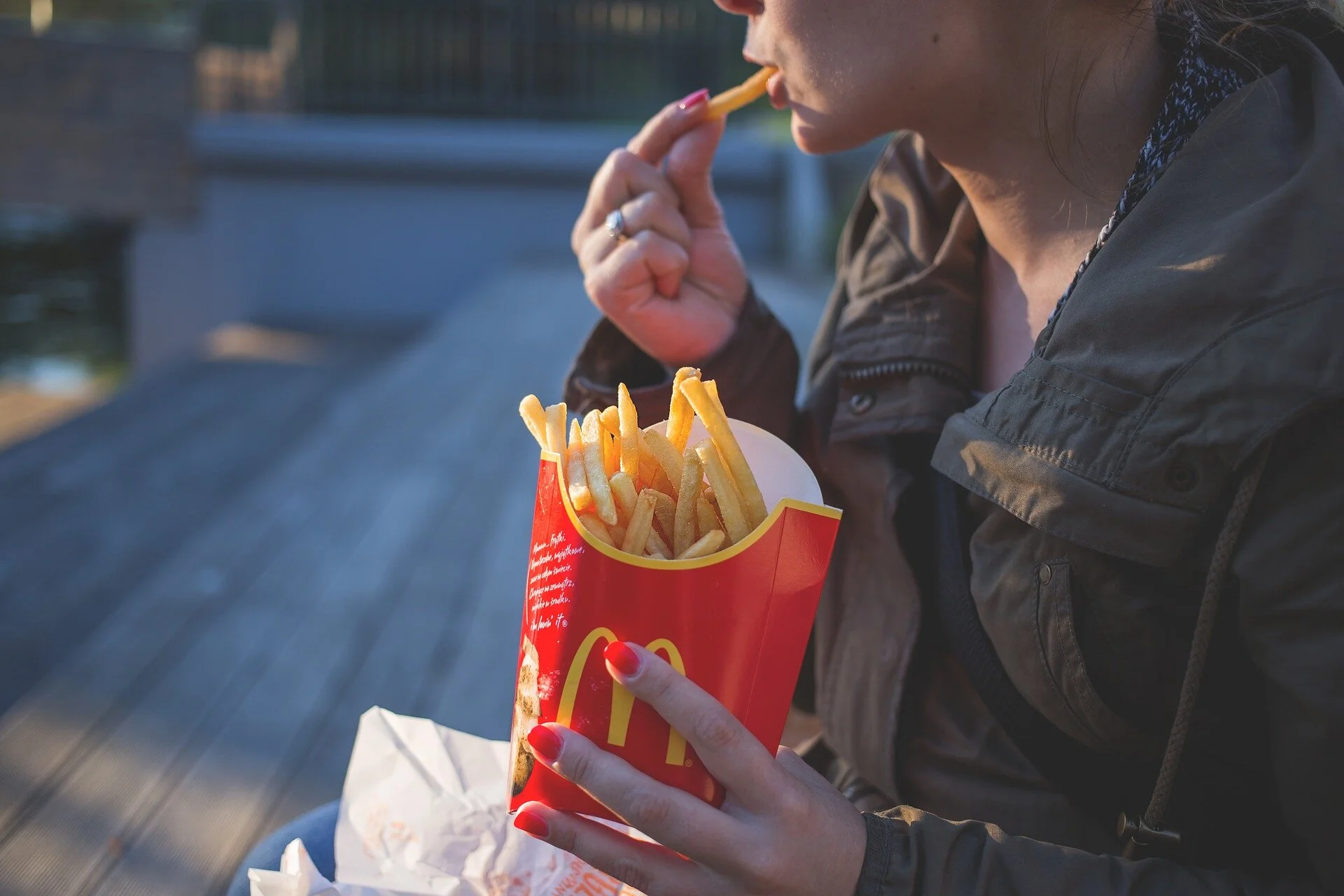
The lowest emitter was a large fries, which carries a carbon footprint of 0.15kg of CO2e.
McDonald’s has made moves as of late to improve its environmental impact.
The chain recently announced it was reducing the amount of virgin fossil fuel-based plastic in its happy meals by 90 percent.
However, some have criticised the chain for not doing enough.
Stephanie Feldstein at the Centre of Biological Diversity, a non-profit focusing on animal protection, has called out McDonald’s for its half-hearted efforts.
“McDonald’s serves billions of burgers a year, with massive consequences for our climate.
“According to the company’s own records, beef is responsible for 29 percent of its carbon footprint,” Feldstein says.
She urged the fast food giant to overhaul its menu, specifically, by bringing the meat-free mcplant burger to all stores and actively reducing the amount of beef it serves.
Photo: Mcplant burger

Lisa was born in Auckland at the start of the 1970s, living in a small campsite community on the North Shore called Browns Bay. She spent a significant part of her life with her grandparents, often hanging out at the beaches. Lisa has many happy memories from those days at Browns Bay beach, where fish were plentiful on the point and the ocean was rich in seaweed. She played in the water for hours, going home totally “sun-kissed.” “An adorable time to grow up,” Lisa tells me.
Lisa enjoyed many sports; she was a keen tennis player and netballer, playing in the top teams for her age right up until the family moved to Wellington. Lisa was fifteen years old, which unfortunately marked the end of her sporting career. Local teams were well established in Wellington, and her attention was drawn elsewhere.