




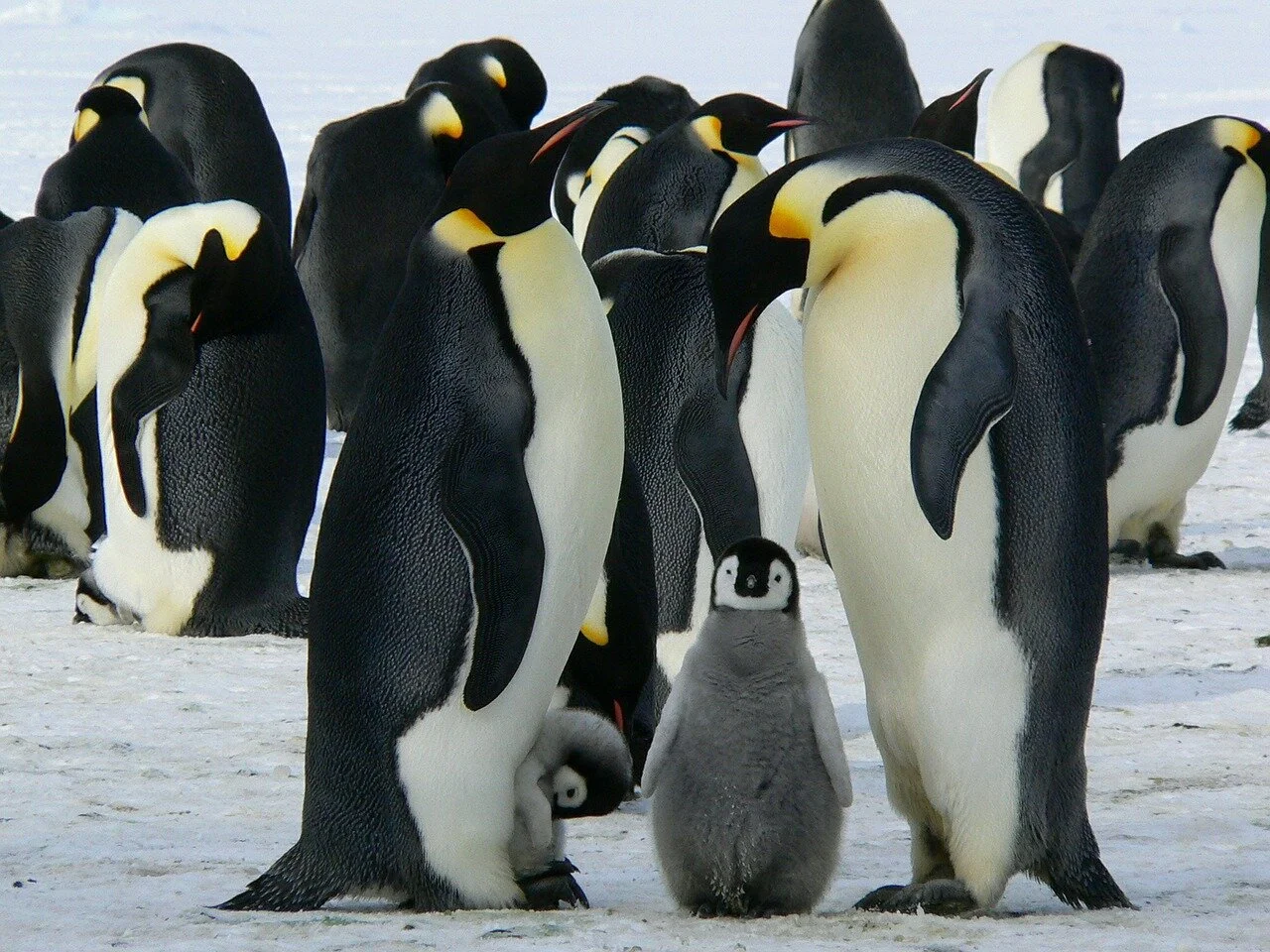
Most emperor penguins could be extinct in 80 years
Scott Base - Most emperor penguins in the Antarctic could be extinct in 80 years and climate change is to blame, according to a major new report.
The species isn’t listed as endangered under environmental law, but scientists say this is the case because governments don’t want to accept responsibility for climate change.
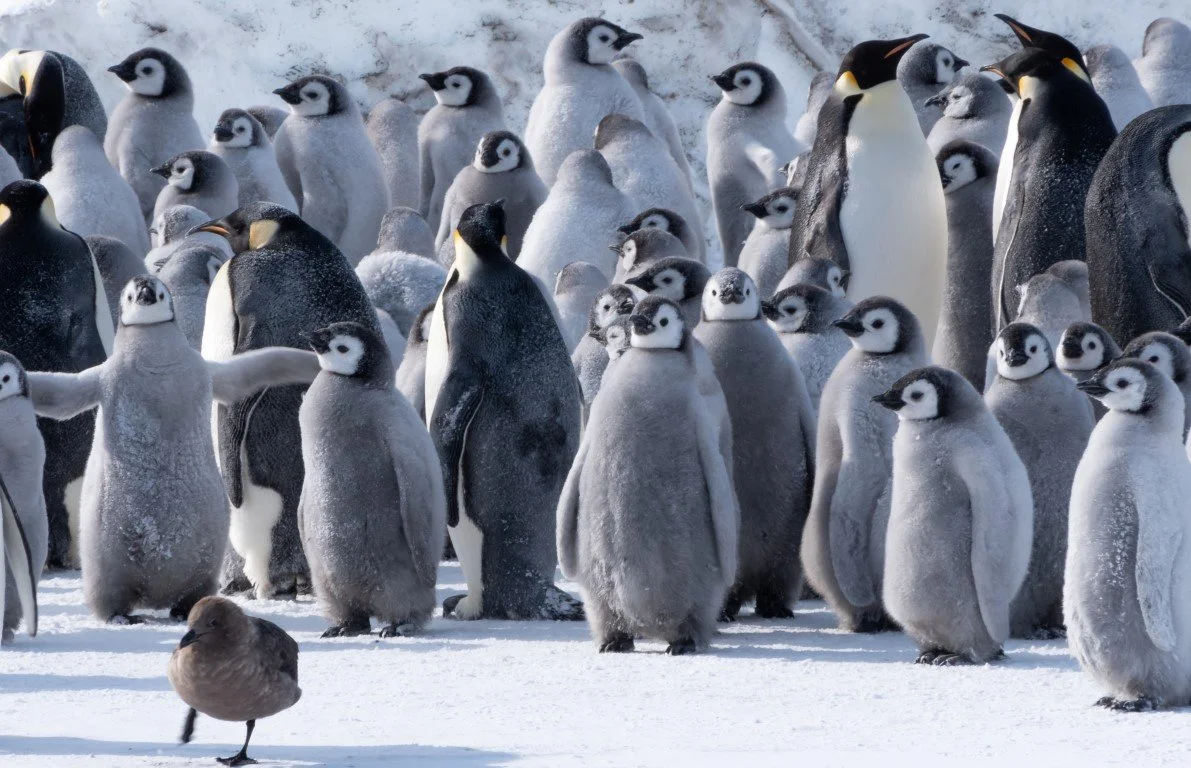
Emperor penguin populations are simply at risk due to the climate emergency. Wild Emperor penguins are virtually only found in Antarctica.
They breed and raise their young mostly on fast ice, a floating platform of frozen ocean which is connected to the land or to ice shelves.
From birth, they spend their entire lives in and around the Antarctic ice, although very rarely vagrants have turned in New Zealand.
An emperor penguin nicknamed Happy Feet attained worldwide fame in June 2011 when it was found at Peka Peka on the Kapiti Coast.
Almost the entire population of the Emperor Penguin species will face extinction within the century, scientists have warned.
Furthermore, most colonies will hurtle toward death by just 2050. And, accelerated sea ice loss due to climate change is the cause, according to the study.
By 2100, a staggering 98 percent of the iconic penguin species will face being wiped out entirely, the global change biology report says.
Almost all colonies will be quasi-extinct, meaning the species is doomed for extinction even if some remain alive.
Currently, the birds – the largest of all penguins – form colonies on sea ice in Antarctica. But due to hiking greenhouse gas emissions and climate change, their lives are under threat.
Creatures at risk of extinction due to climate change is the fault of many human behaviours. Experts and scientists globally say the biggest driver of this is the meat industry.
A report published last year indicated forests burned for animal agriculture for thousands of years is one of the causes of staggering greenhouse gas emissions.
Furthermore, annual methane emissions are found to cause more global warming issues than all fossil fuel sources combined.


Lisa was born in Auckland at the start of the 1970s, living in a small campsite community on the North Shore called Browns Bay. She spent a significant part of her life with her grandparents, often hanging out at the beaches. Lisa has many happy memories from those days at Browns Bay beach, where fish were plentiful on the point and the ocean was rich in seaweed. She played in the water for hours, going home totally “sun-kissed.” “An adorable time to grow up,” Lisa tells me.
Lisa enjoyed many sports; she was a keen tennis player and netballer, playing in the top teams for her age right up until the family moved to Wellington. Lisa was fifteen years old, which unfortunately marked the end of her sporting career. Local teams were well established in Wellington, and her attention was drawn elsewhere.