




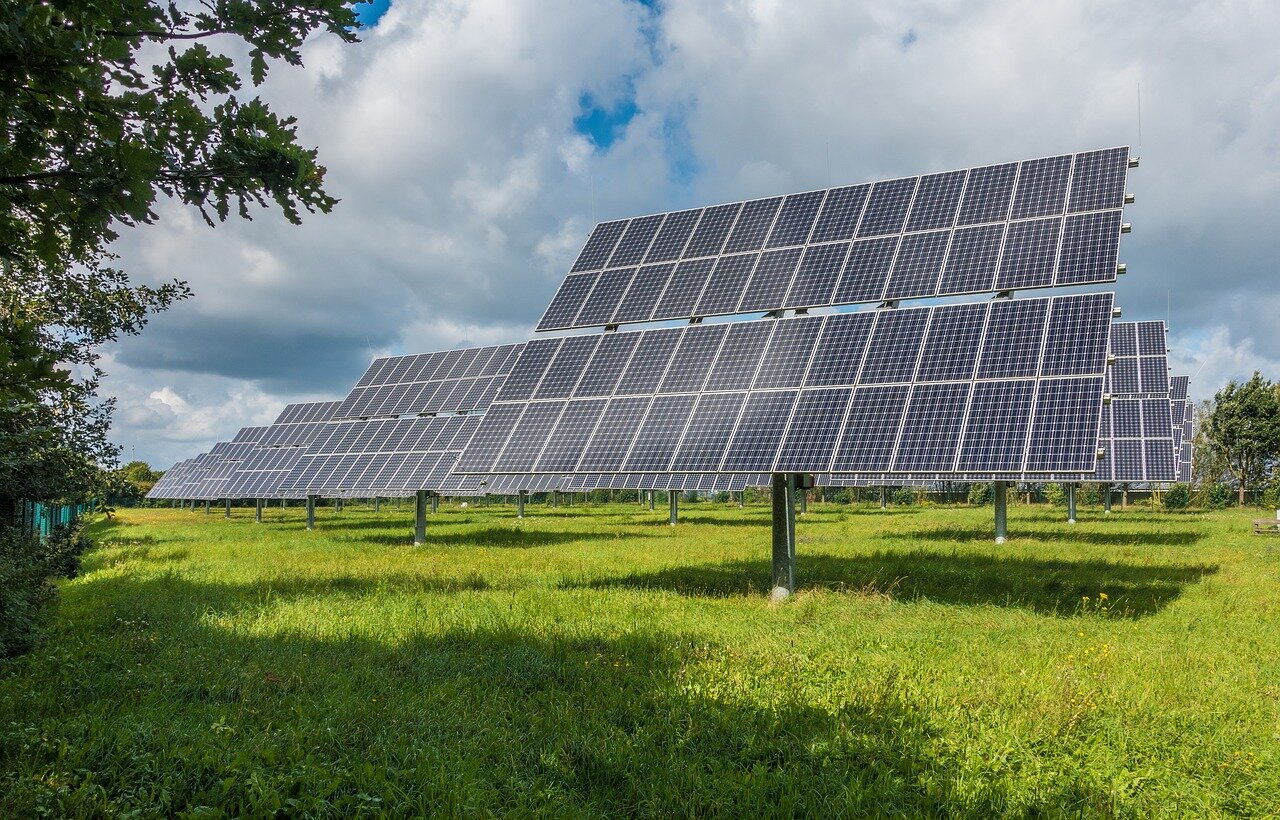
AI the trail blazer in the change to renewable energy
Te Whanganui-a-Tara - Digital technologies, AI in particular, are likely to become such an essential enabler for New Zealand’s renewable energy transition.
A new report, Harnessing AI to Accelerate the Energy Transition, defines the actions needed to unlock AI's potential in this domain.
The latest IPCC report is unequivocal in its demand for more action urgently needed to avert catastrophic long-term climate impacts.
With fossil fuels still supplying more than 80 percent of global energy, the energy sector needs to be at the heart of this action.
Fortunately, the energy system is already in transition: renewable energy generation is growing rapidly, driven by falling costs and growing investor interest.
But the scale and cost of decarbonising the global energy system remain gigantic, and time is running out.
New Zealand companies at the cutting edge of artificial intelligence (AI ) development include Air New Zealand, Soul Machines, Xero and a range of startups are leading the development of AI nationally.
So far, most of the energy sector’s transition efforts have focused on hardware such as new low-carbon infrastructure that will replace legacy carbon-intensive systems.
Relatively little effort and investment has focused on another critical tool for the transition: next-generation digital technologies, in particular artificial intelligence.
These powerful technologies can be adopted more quickly at larger scales than new hardware solutions and can become an essential enabler for the energy transition.
Artificial intelligence has the ability to unlock the vast potential of renewables. Failure to embrace it means risking falling behind the curve.
The powerful prediction capabilities of AI will lead to improved demand forecasting and asset management. The automation capability of AI can drive operational excellence in many crucial areas.
The energy sector faces pressing challenges and needs to act with urgency. Major disruption to the electricity sector is on the cards as governments ramp up renewables and transition away from fossil fuels.
Grid operators, developers and consumers are harnessing AI, paving a path for a smooth transition to a greater use of renewables.
AI’s ability to provide better prediction capabilities is enabling improved demand forecasting and asset management, while its automation capability is driving operational excellence – leading, in turn, to competitive advantage and cost-savings for stakeholders.
AI can help energy-system stakeholders identify patterns and insights in data, learn from experience and improve system performance over time, and predict best complex models.
AI is already proving its value to the energy transition in multiple domains, driving measurable improvements in forecasting, grid operations, optimisation and energy assets.
But while AI’s application in the energy sector has proven promising so far, innovation and adoption remain limited.
That presents a tremendous opportunity to accelerate transition towards the zero-emission, highly efficient and interconnected energy system we need tomorrow.



Lisa was born in Auckland at the start of the 1970s, living in a small campsite community on the North Shore called Browns Bay. She spent a significant part of her life with her grandparents, often hanging out at the beaches. Lisa has many happy memories from those days at Browns Bay beach, where fish were plentiful on the point and the ocean was rich in seaweed. She played in the water for hours, going home totally “sun-kissed.” “An adorable time to grow up,” Lisa tells me.
Lisa enjoyed many sports; she was a keen tennis player and netballer, playing in the top teams for her age right up until the family moved to Wellington. Lisa was fifteen years old, which unfortunately marked the end of her sporting career. Local teams were well established in Wellington, and her attention was drawn elsewhere.