




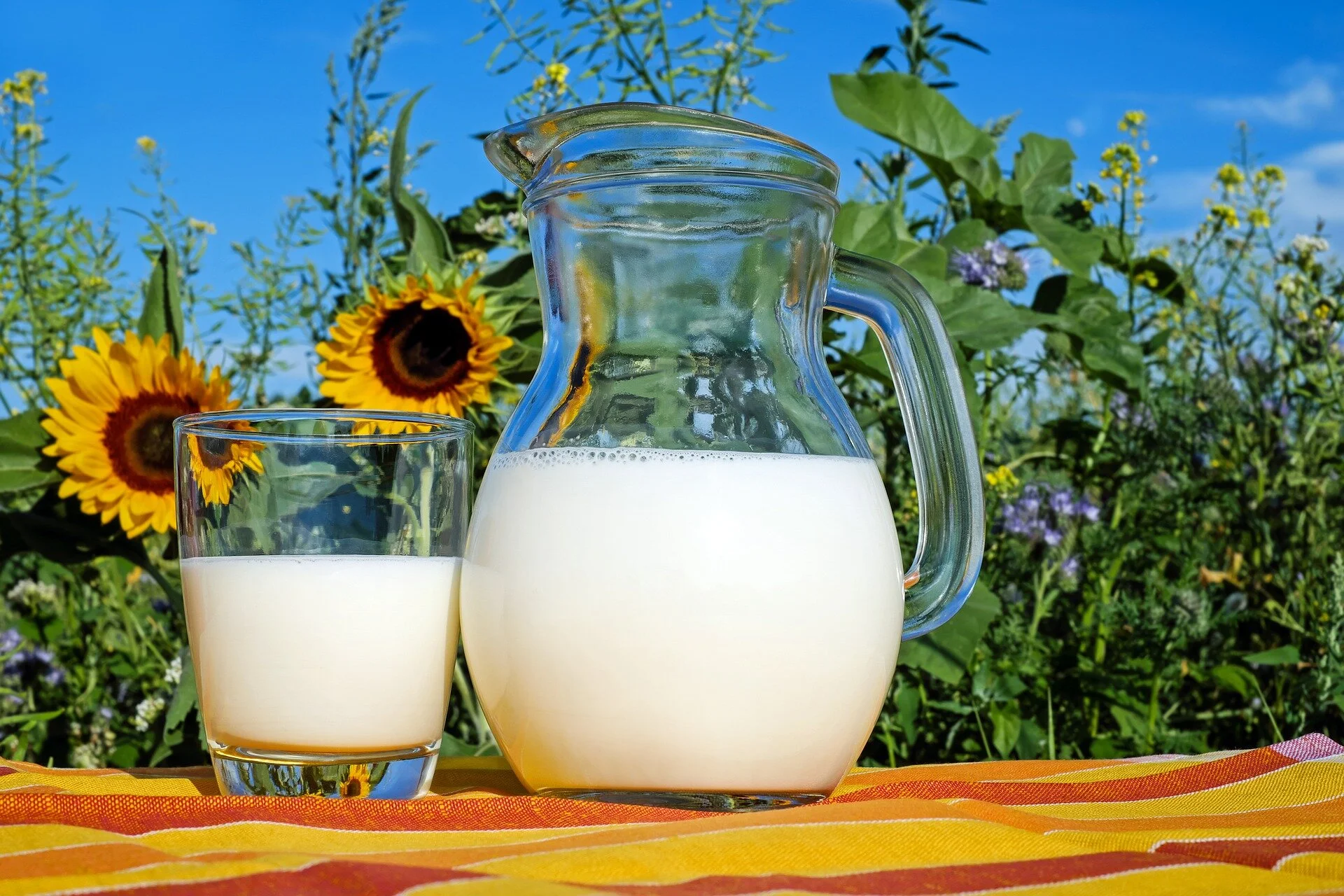
One in three Brits drink plant-based milk
Te Whanganui-a-Tara - One in three Brits drink plant-based milk and young people are leading the uptake, with 44 percent saying they drink plant-based milk alternatives which is a record high.
Brits are consuming more plant-based milk, says research company.
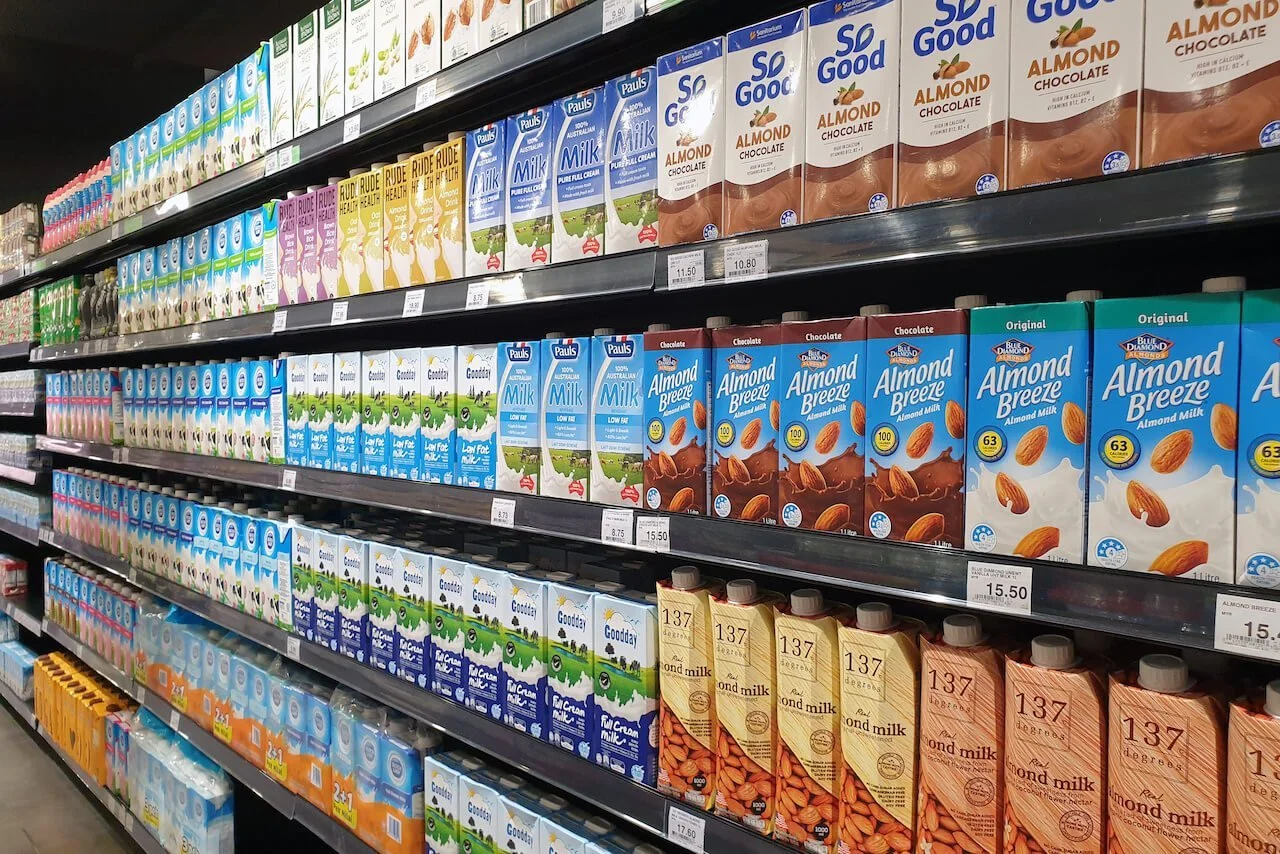
According to a new report, the plant-based milk market is continuing to soar.
Now, it’s transformed into an industry turning over 400 million pound a year.
The research poll results indicate a rise in plant milk drinkers in comparison to last year. And the uptake among 25 to 44 year-olds is even higher with 44 percent making the switch, global market research company Mintel says.
Usage is up by a quarter from 2020, with many making the switch because they ‘agree’ it’s better for them than cow’s milk.
Moreover, 26 percent said the covid pandemic made plant-based food and drink more appealing to them.
While general sales of cow’s milk alternatives are on the rise, it is oat that is leading the charge. Sales of it have doubled since 2020, the year when the UK spent a staggering 146 million pounds on it, Mintel says.
Furthermore, this is an increase of 74 million pound on the 2019 figures. The plant-based trend continues to gain momentum in the UK, fuelled by environmental and health considerations.
Oat milk’s previous robust growth has attracted a lot of innovation to the segment including barista-style varieties.
The rapid sales growth of plant-based milk has brought about new product development from established players and new entrants alike.
While most Brits use cow’s milk, usage continues to be lower amongst younger Brits than older age groups, as it faces intense competition from plant-based varieties.
If they retain their plant-based milk habit as they age, this stands to drive usage across the population upwards over time, fuelling long-term growth for the plant-based milk category.
The world’s population is steadily becoming more aware of the impact of diet on the planet. As a result, so many are choosing to ditch meat and dairy consumption in favour of plant-based food.



Lisa was born in Auckland at the start of the 1970s, living in a small campsite community on the North Shore called Browns Bay. She spent a significant part of her life with her grandparents, often hanging out at the beaches. Lisa has many happy memories from those days at Browns Bay beach, where fish were plentiful on the point and the ocean was rich in seaweed. She played in the water for hours, going home totally “sun-kissed.” “An adorable time to grow up,” Lisa tells me.
Lisa enjoyed many sports; she was a keen tennis player and netballer, playing in the top teams for her age right up until the family moved to Wellington. Lisa was fifteen years old, which unfortunately marked the end of her sporting career. Local teams were well established in Wellington, and her attention was drawn elsewhere.