




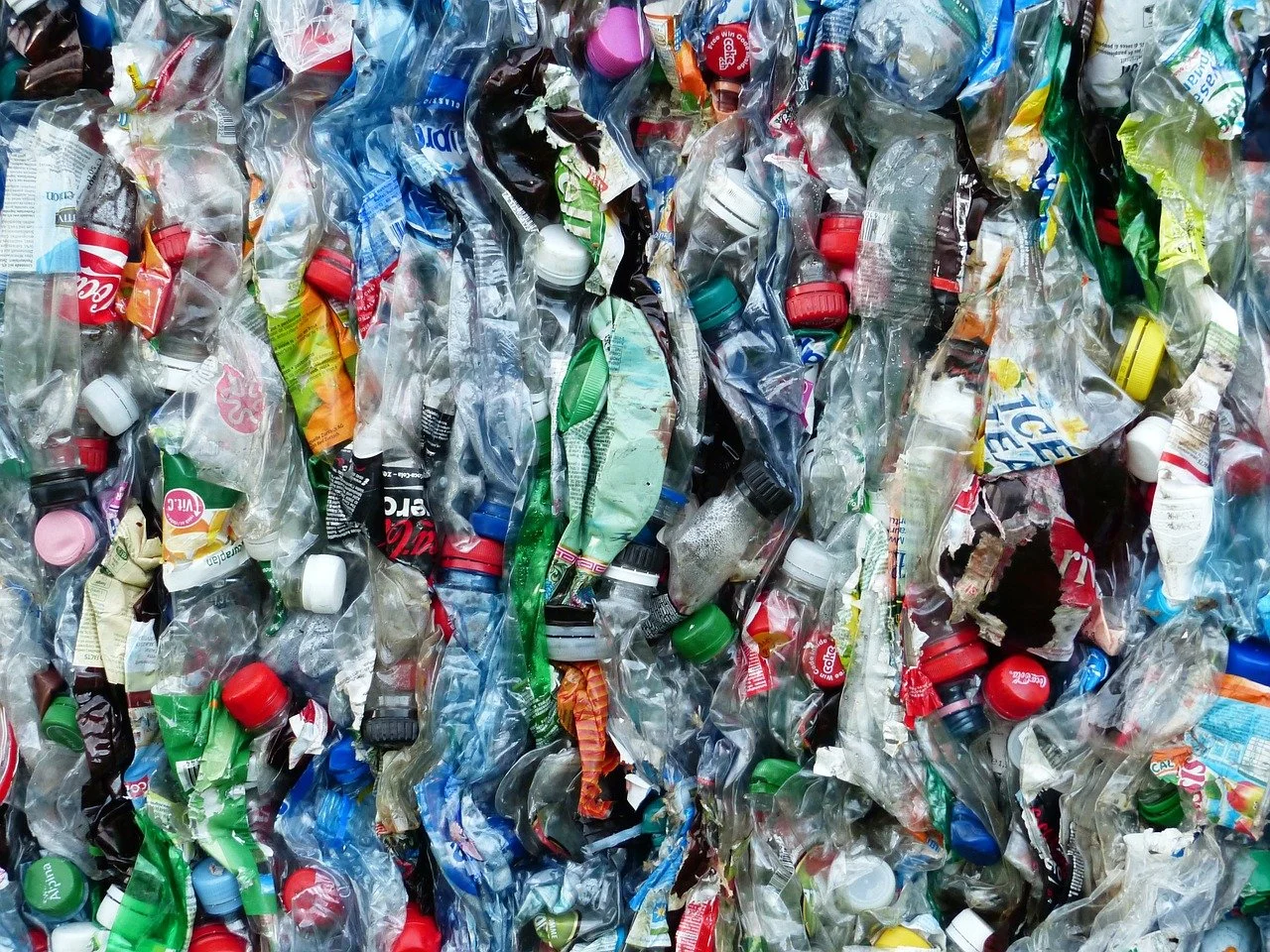
...And what's the real toll of plastics on the environment?
Otautahi - To reduce waste and protect ecosystems, many countries have started banning disposable plastics.
The ban will include plastic cutlery, cotton swabs, straws, cups, and bottles. It’s the latest in the country’s string of reforms to cut back on waste.
Sadly, nearly everyone, everywhere, every day comes into contact with plastics.
Significant economic value is lost after each use, and given the projected growth in consumption, by 2050 oceans are expected to contain more plastics than fish, by weight.
The entire plastics industry will consume 20 percent of total oil production and 15 percent of the annual carbon budget.
It is impacting on climate change as the planet is heating up, getting windier, hotter and experiencing more powerful winter storms.
The cause, human or other, is an argument meant to distract us from solving this threat to our species.
The Netherlands banned free plastic bags years ago and just as in New Zealand, people are charged for waste disposal while recycling is free.
So, the more a household recycles, the lower its waste bill. The EU is also banning a range of single-use plastic items, joining an increasing number of places making new laws to tackle plastic pollution.
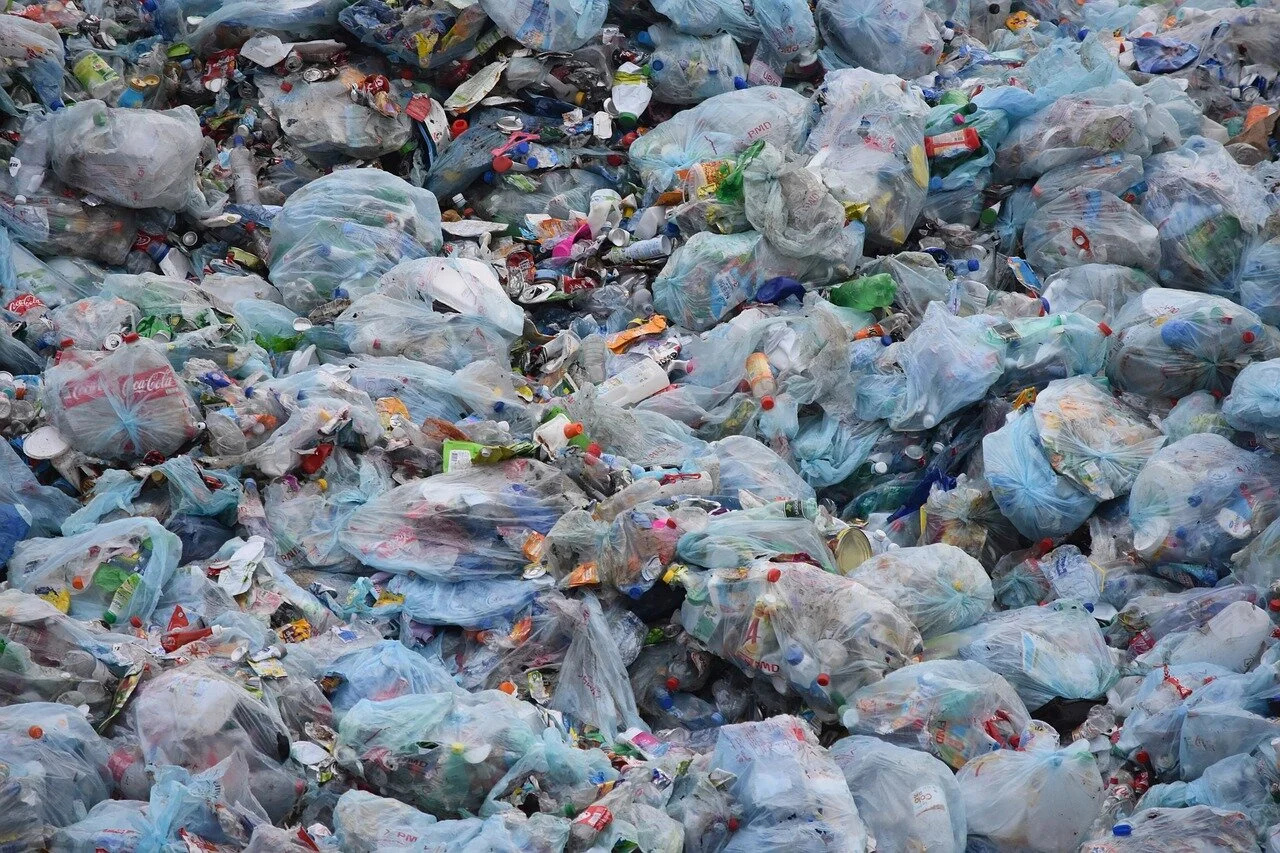
Use of plastic around the world has increased 20-fold in the last 50 years.
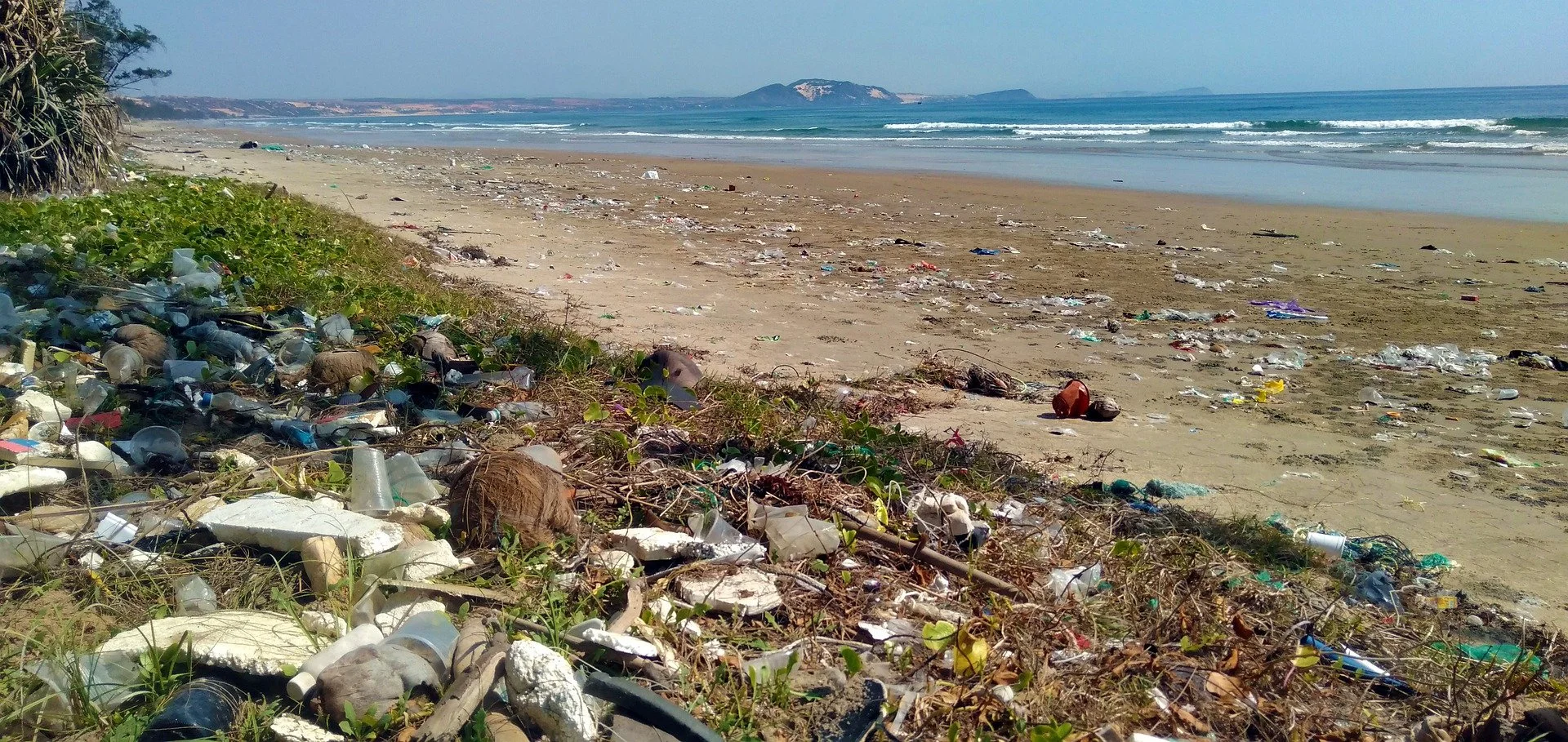
Eight million tons of plastic contaminate marine ecosystems every year, and according to the UN environment programme, plastic production accounts for six percent of the world’s global oil consumption and produces one percent of global carbon emissions.
The current adoption of unlimited extractive consumption on a planet with finite natural resources is not a long term solution.
Unless business changes its rapacious demand on the environment, the future will look pretty grim.
Many businesses have already seen the writing on the wall and realised that unless our natural resources are protected their business won’t continue, they will have nothing to continue it with.
Business leaders need to lead the way. Many governments are tied up with corruption or their next election campaign. Business and philanthropy are moving into the gap to help heal the harm we have inflicted on the natural world.
Food is one example, where there’s a push to return to small-scale family farming, regenerative agriculture, and organic foods, and move away from the incredibly destructive methods of industrial agriculture.

Lisa was born in Auckland at the start of the 1970s, living in a small campsite community on the North Shore called Browns Bay. She spent a significant part of her life with her grandparents, often hanging out at the beaches. Lisa has many happy memories from those days at Browns Bay beach, where fish were plentiful on the point and the ocean was rich in seaweed. She played in the water for hours, going home totally “sun-kissed.” “An adorable time to grow up,” Lisa tells me.
Lisa enjoyed many sports; she was a keen tennis player and netballer, playing in the top teams for her age right up until the family moved to Wellington. Lisa was fifteen years old, which unfortunately marked the end of her sporting career. Local teams were well established in Wellington, and her attention was drawn elsewhere.