




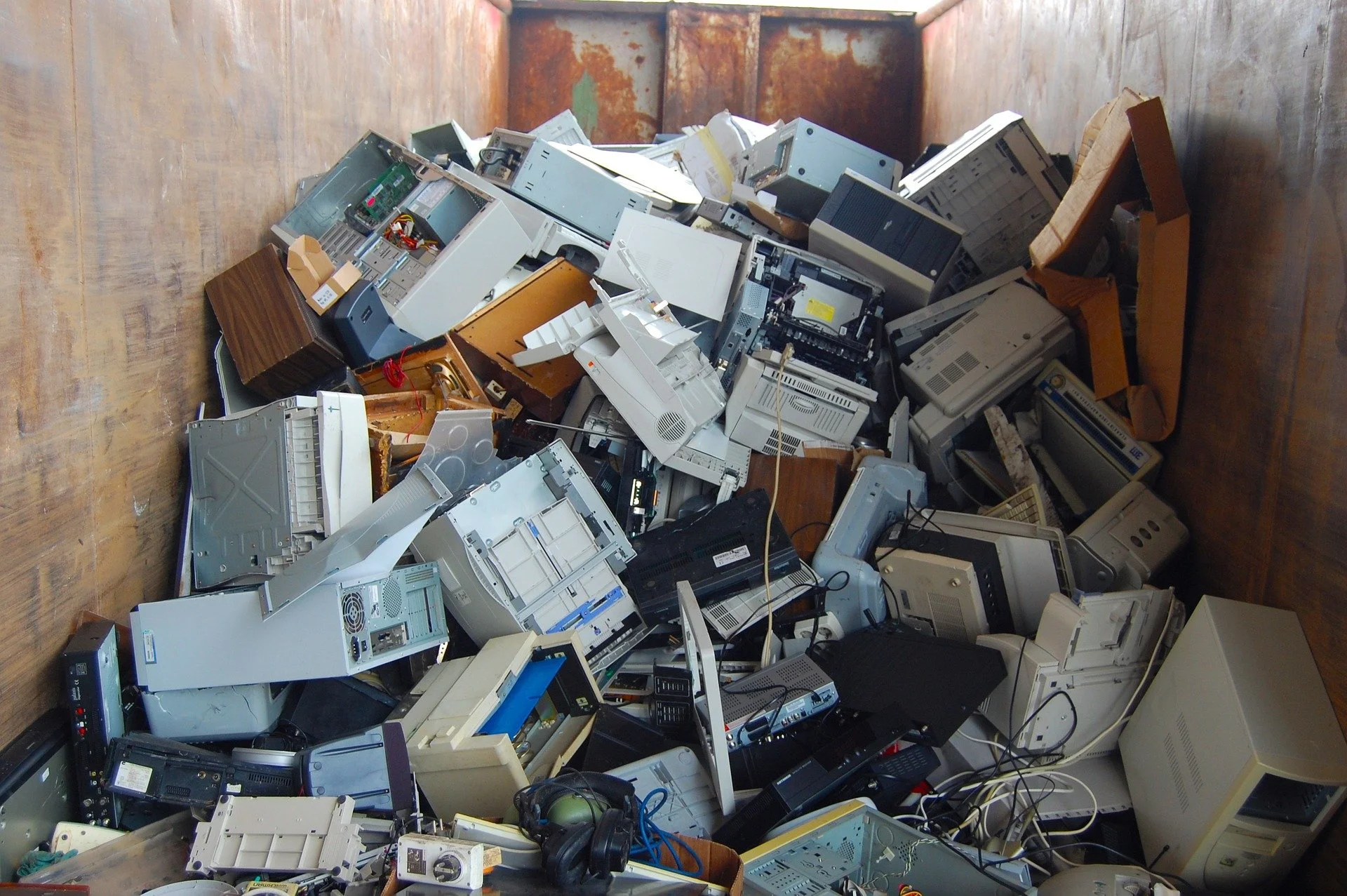
Africa leads the way, NZ one of the worst in the world
Nairobi - A record 53.6 metric tonnes of e-waste, discarded electrical and electronic equipment, was generated globally in 2019, and the quantity is still rising.
The average New Zealander produces more than 20 kilograms of e-waste every year, one of the highest per capita amounts on the planet, - yet Aotearoa is the only country in the entire OECD without a national e-waste scheme.
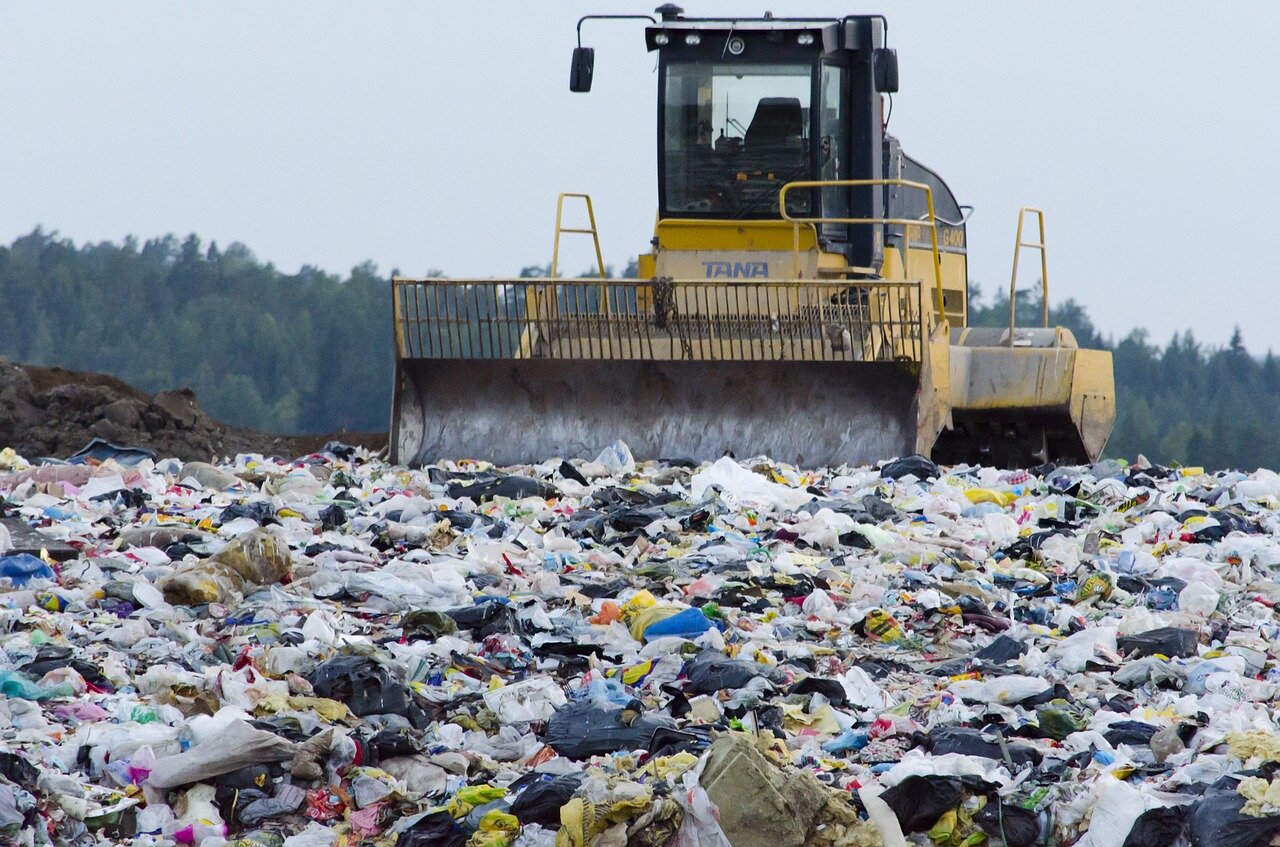
Of the 80,000 or so tonnes of e-waste Kiwis produce each year, the best estimates suggest less than two percent of that total is recycled, a mere 1600 tonnes. So, what happens to the rest of it? It goes to landfill, either in New Zealand, or somewhere else in the world.
Meanwhile, African nations are pioneering ways of reducing e-waste, with policies, regulations and legislation.
Other countries should consider Africa’s experience when building an e-waste management system.
With the IT boom has come a huge increase in discarded electrical and electronic equipment, or e-waste. A record 53.6 million tonnes of e-waste was generated around the world in 2019, and this number is on the rise.
Experts predict that the annual generation of e-waste will reach 74.7 metric tonnes by 2030. Tackling this challenge will require a concerted and coordinated effort from all the organizations and individuals across the electronics value chain.
Manufacturers will need to develop a new approach and to take responsibility for a product’s entire lifecycle.
African nations are showing the way on dealing with e-waste. According to the Global E-waste Monitor 2020, 13 countries in Africa had an e-waste policy, legislation or regulation in place. Their efforts can be a lesson to other nations around the world looking to improve their e-waste management systems.
Long-term solutions to e-waste management will require a fair and economically viable approach to extended producer responsibility (EPR).
EPR requires that producers such as manufacturers, importers or distributors take responsibility for the end-of-life management of electronics sold on the market. This includes taking items back, recycling them and eventually disposing of them.


Lisa was born in Auckland at the start of the 1970s, living in a small campsite community on the North Shore called Browns Bay. She spent a significant part of her life with her grandparents, often hanging out at the beaches. Lisa has many happy memories from those days at Browns Bay beach, where fish were plentiful on the point and the ocean was rich in seaweed. She played in the water for hours, going home totally “sun-kissed.” “An adorable time to grow up,” Lisa tells me.
Lisa enjoyed many sports; she was a keen tennis player and netballer, playing in the top teams for her age right up until the family moved to Wellington. Lisa was fifteen years old, which unfortunately marked the end of her sporting career. Local teams were well established in Wellington, and her attention was drawn elsewhere.