




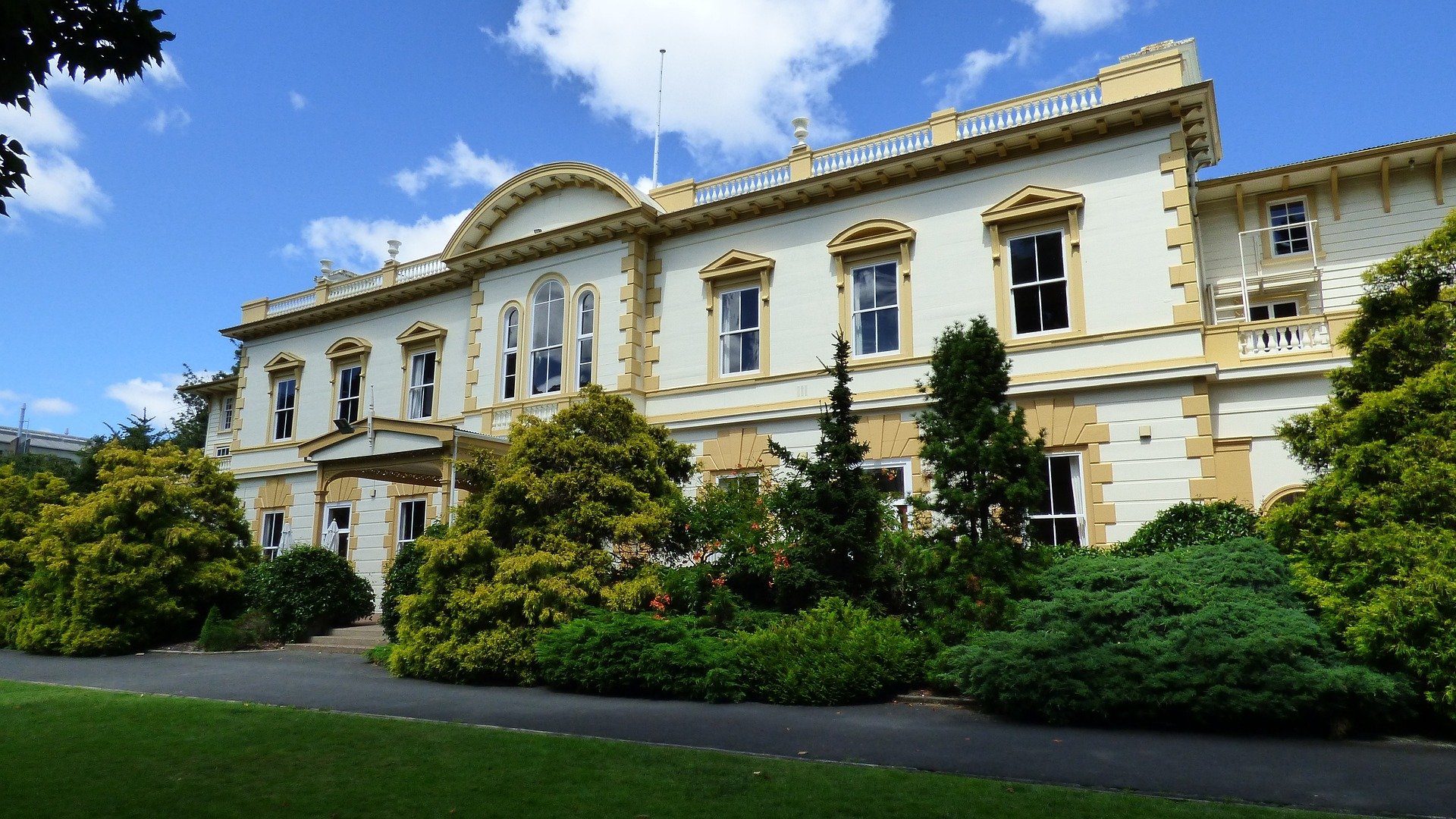
University of Auckland ranks 10th best sustainable uni globally
London - The Quacquarelli Symonds (QS), global higher education analysts, have listed Auckland University 10th in the world in their inaugural QS world university rankings on sustainability.
The new framework evaluates how universities are taking action to tackle the world’s most pressing environmental and social issues.
QS aims to provide prospective students with independent insights on universities record in improving sustainability.
The QS organisation also seeks to support universities in monitoring and benchmarking their progress as they strive to implement their ESG strategies and find solutions to unprecedented global challenges.
QS evaluated more than 1300 higher education institutions meeting specific eligibility requirements[1] and 700 of those appear in this ranking.
The University of California, Berkeley is named the global sustainable leader, achieving top scores in both the environmental impact and social impact categories, each contributing 50 percent of the overall score. the University of Toronto and the University of British Columbia. The top rankings are:
QS World University Rankings: Sustainability 2023: Top 202023InstitutionCountry1University of California, Berkeley (UCB)United States2University of TorontoCanada3University of British ColumbiaCanada4The University of EdinburghUnited Kingdom5=The University of New South Wales (UNSW Sydney)Australia5=The University of SydneyAustralia7The University of TokyoJapan8University of PennsylvaniaUnited States9Yale UniversityUnited States10The University of AucklandNew Zealand11Uppsala UniversitySweden12Lund UniversitySweden13University of GlasgowUnited Kingdom14University of California, DavisUnited States15Aarhus UniversityDenmark16University of OxfordUnited Kingdom17Western UniversityCanada18Newcastle UniversityUnited Kingdom19University of CambridgeUnited Kingdom20Harvard UniversityUnited States
The United States dominates the rankings, with 135 ranked universities (19.2 percent of the total), including thirty among the top 100, while the
United Kingdom is the second-most represented country, with 67 universities ranked (9.5 percent), including twenty among the top 100. Germany is the third-best for overall representation, with 39 universities. The New Zealand rankings:
New Zealand Universities in QS World University Rankings: Sustainability 20232023 RankInstitutionOverallEnvironmental Impact (50 percent)Social Impact (50 percent)Sustainable InstitutionsSustainable EducationSustainable ResearchEqualityKnowledge ExchangeEducating for SocietyEmployment & OpportunitiesLife QualityScoreScoreRankScoreRankScoreRankScoreRankScoreRankScoreRankScoreRankScoreRankScoreRankScoreRank10The University of Auckland85.187.2584.743=74.81895589.17790.830=62.226397.8681.56884.3121=47University of Otago73.3703770.4130=49.6117=90106921393.91953.4327=77.19454.625271.1208=95University of Canterbury63.771.32945.1309=57.86188.91164.224164.225015.3501+69.115260.4192=20.5501+116Victoria University of Wellington6157.69654.623249.6117=72.445=52.330482.872=31501+66.8168=60.1195=18.2501+125Massey University60.556.310455.3224=47.7157=77.62241.337487.15243.2417=52.6273=49.5304=40.2382221-240University of Waikato-52.1122=34.2414=36.227680.92136.2407=69.51999.7501+39.1371=45.4341=19.3501+261-280Auckland University of Technology-35.3301=37.8377=41.522343.9281=2848087.64815.7501+32.2434=38.3407=13501+381-400Lincoln University-39.824420.3501+45.4185=5020629.6462=54.4347=4.9501+12.6501+35.3441=33.9422=
The country’s eight universities all ranked among the top 400. New Zealand is at the forefront on biodiversity and conversation efforts, and it exerts an influential presence on the global stage when it comes to the intersection of climate and trade, as illustrated through various recent Free Trade Agreements signed between the country and the EU and the UK, which included robust and enforceable climate commitments.
Aotearoa universities Zealand performed particularly well under the environmental Impact category.
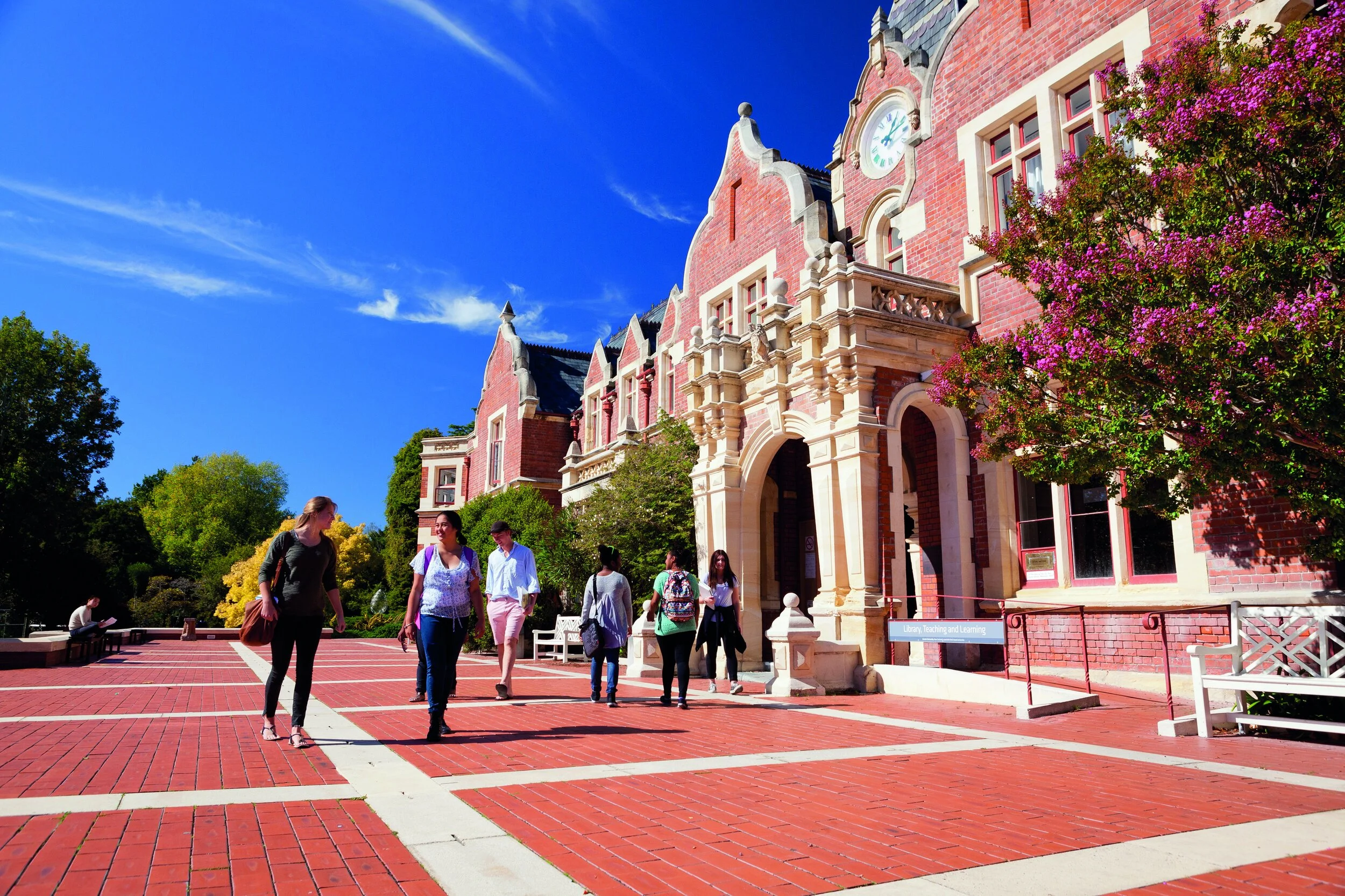
Lincoln University ranks among the world’s top 200 in the sustainable institutions indicator.




Lisa was born in Auckland at the start of the 1970s, living in a small campsite community on the North Shore called Browns Bay. She spent a significant part of her life with her grandparents, often hanging out at the beaches. Lisa has many happy memories from those days at Browns Bay beach, where fish were plentiful on the point and the ocean was rich in seaweed. She played in the water for hours, going home totally “sun-kissed.” “An adorable time to grow up,” Lisa tells me.
Lisa enjoyed many sports; she was a keen tennis player and netballer, playing in the top teams for her age right up until the family moved to Wellington. Lisa was fifteen years old, which unfortunately marked the end of her sporting career. Local teams were well established in Wellington, and her attention was drawn elsewhere.