




How to track light pollution at sea, DoC research
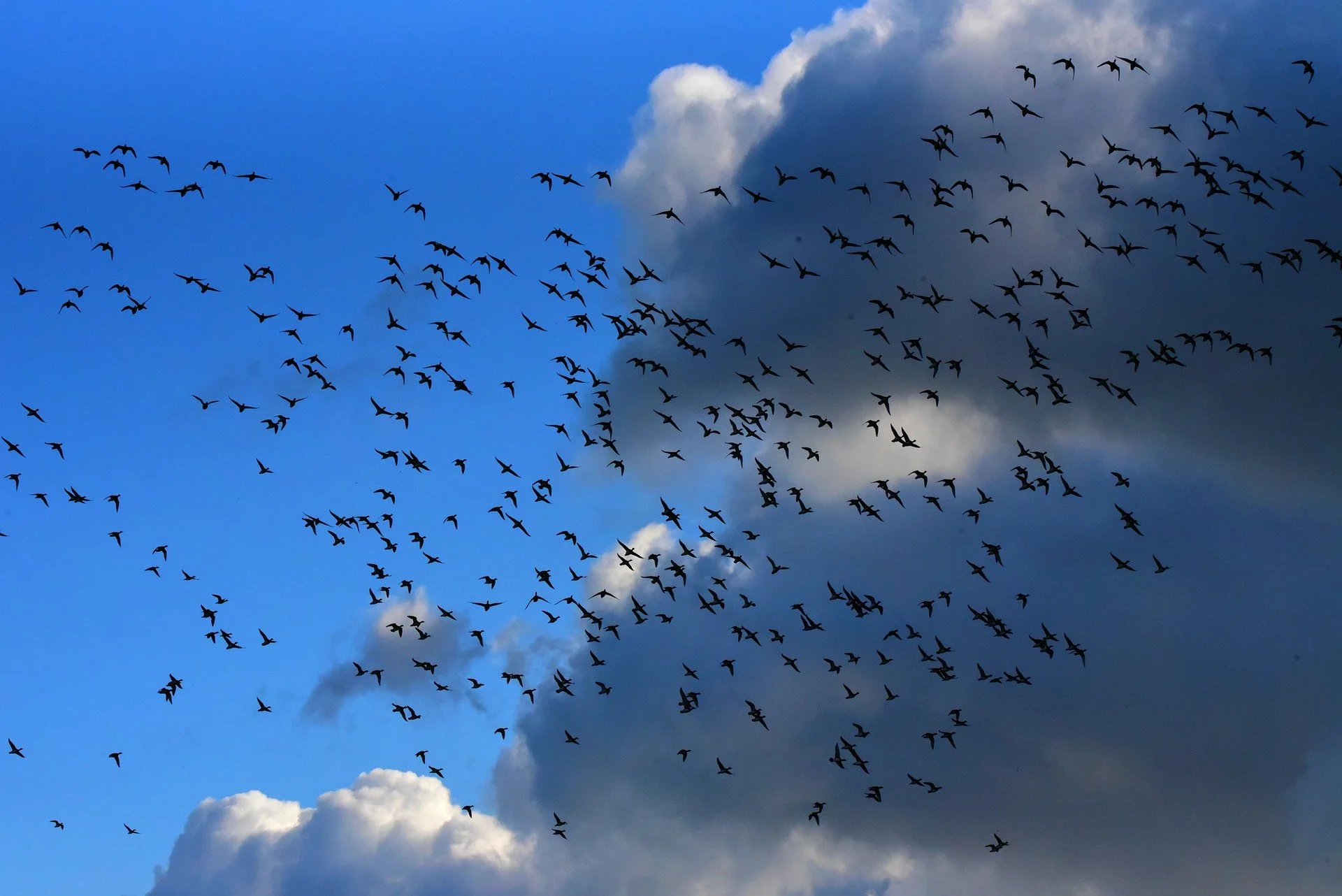
Te Whanganui a Tara - Tomorrow is world migratory bird day, an international awareness day as birds embark on their seasonal migration.
These epic journeys happen twice a year, one for each migratory season.
Tītī / sooty shearwaters, toanui / flesh-footed shearwaters and many other seabirds return to Aotearoa shores in spring from their winter grounds in the distant seas of Japan, Alaska, California, and South America.
On the journeys, they face many threats, including from fisheries bycatch, plastic pollution and changing prey distributions due to warming ocean temperatures.
One threat that is not yet well-understood is light pollution at sea. Vessels such as fishing boats, container ships and cruise ships may all have bright outside lighting that attracts and disorients birds, leading to collisions with ships and subsequent drownings.
The vastness of the open ocean means that it’s very difficult to understand this threat at sea, the Department of Conservation says.
To understand light pollution impacts at sea better, researchers at DoC recently attached light-sensitive tracking tags to 179 seabirds across seven different species. The tags recorded light exposure events and exactly where they occurred.
DoC’s Graeme Taylor has been putting light-sensitive tags on seabirds since 2005, but the new research has vastly expanded their understanding of which species are most threatened by light pollution at sea.
“We were seeing these light events during the dead of night. The DoC research shows they were happening out over the deep ocean where there isn’t any land.
The good news is that some of our most endangered seabirds, such as the Chatham Island tāiko, kuaka / Whenua Hou diving petrel, and ranguru / Chatham petrel, seem to encounter relatively little light pollution out at sea.
However, more than a third of tītī Wainui / fairy prions, toanui / flesh-footed shearwaters and tītī / sooty shearwaters encountered light pollution throughout the Pacific, particularly between Japan and Hawaii, Alaska, and southeast of Aotearoa.
DoC can work with vessel owners to reduce this risk by minimising light use around seabird colonies, shielding lights and changing bulbs.
Reducing light pollution also benefits all ecosystem levels, from other large migratory species, the fish and squid that seabirds snack on, to the plankton that migrate to the sea surface at night.
Aotearoa is the world’s seabird capital and its seabirds complete some of the most spectacular migrations on the planet, entirely out at sea.




Lisa was born in Auckland at the start of the 1970s, living in a small campsite community on the North Shore called Browns Bay. She spent a significant part of her life with her grandparents, often hanging out at the beaches. Lisa has many happy memories from those days at Browns Bay beach, where fish were plentiful on the point and the ocean was rich in seaweed. She played in the water for hours, going home totally “sun-kissed.” “An adorable time to grow up,” Lisa tells me.
Lisa enjoyed many sports; she was a keen tennis player and netballer, playing in the top teams for her age right up until the family moved to Wellington. Lisa was fifteen years old, which unfortunately marked the end of her sporting career. Local teams were well established in Wellington, and her attention was drawn elsewhere.