




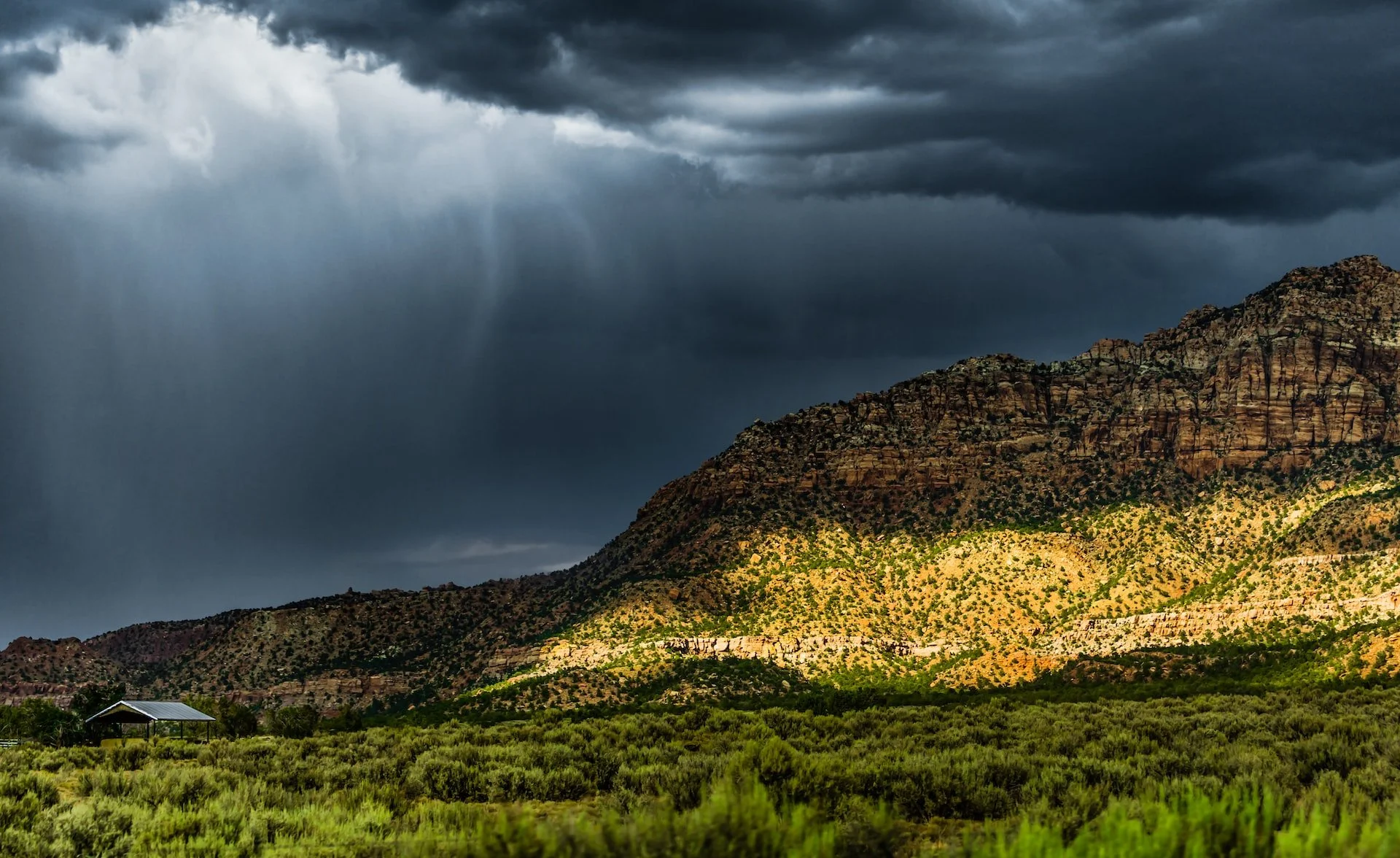
AI for the Kiwi and global environment
Tāmaki Makaurau - Aotearoa’s native environment can hugely benefit from artificial intelligence (AI) in a fast changing climate world, AIForumNZ executive director Madeline Newman says.
AI applications can help design more energy-efficient buildings, improve power storage and optimise renewable energy deployment by feeding solar and wind power into the electricity grid as needed.
By 2030, AI could help cut global greenhouse gas emissions by four percent, she says. As climate change intensifies the devastation from storms, wildfires and droughts, AI is increasingly being seen as a way to predict and limit its impacts.
Governments, tech firms and investors are showing growing interest in machine-based learning systems that use algorithms to identify patterns in data sets and make predictions, decisions in real or virtual settings.
There are already some exciting applications of AI to support the environment being developed by businesses, researchers, government agencies and non-profits, Newman says.
AI can play a key role in an enhanced and more active environmental monitoring system delivering data and insights at a national scale. From climate change to the loss of biodiversity, Aotearoa’s interconnected environment is facing unprecedented strain.
“New Zealand needs to deploy AI alongside other innovative technologies to enhance environmental data collection. It also needs to:
• Develop a national environmental open data framework
• Consider where and how mātauranga Māori may be incorporated within Government AI systems
• Coordinate the development of standards and best practices for environmental data management
• Increase the exposure of AI specialists to environmental challenges and environmental scientists to AI
• New Zealand's environment is in a precarious state. It faces multiple threats and is besieged in numerous ways, mostly as a result of human actions
These threats include thousands of species threatened or at risk of extinction, shrinking wetlands, a warming climate leading to more regular droughts and extreme rainfall events and decreasing water quality, Newman says in AIForumNZ’s latest research report.
“Our natural world holds people, plants, animals, soils, freshwater, seas and skies. All aspects of the environment are interconnected, including between people and nature.
“Changes in our environment can have far reaching impacts, both positive and negative on ecological integrity, public health, economic wellbeing, culture and recreation.
The report examines the application of AI to many aspects of the environment te taiao including the air, freshwater, marine, atmosphere and climate, and land domains.
• 90 percent of seabird species and 82 percent of shorebird species are threatened with extinction or at risk of becoming threatened.
• NZ’s ecosystem health was poor or very poor at 46 percent of modelled lakes while around 800,000 or about 15 percent of New Zealanders have water supplies with potentially hazardous nitrate levels.
• The national average temperature has risen by 1.13Cdeg since 1909, at an average rate of 0.10 degrees per decade. That rate was 0.31Cdeg per decade in the past 30 years.
Newman says New Zealand needs a growing internal IT capability so agencies can be supported to use and operationalise AI.
“We should seek opportunities to expose environmental specialists to AI technologies for data collection and analysis.
Resulting solutions included everything from using facial recognition technology to identify and count rats on Waiheke Island to wetland mapping in Waikato and algal blooms in South Island lakes.
Other issues include identifying illegal oil dumping at sea, looking at weather impacts on butterfly populations and a team from Pakistan developing AI powered drones for large scale reforestation in Pakistan.
For further information contact AIForumNZ executive director Madeline Newman on 021 274 9778 or NZTech’s media specialist, Make Lemonade editor-in-chief Kip Brook on 0275 030188


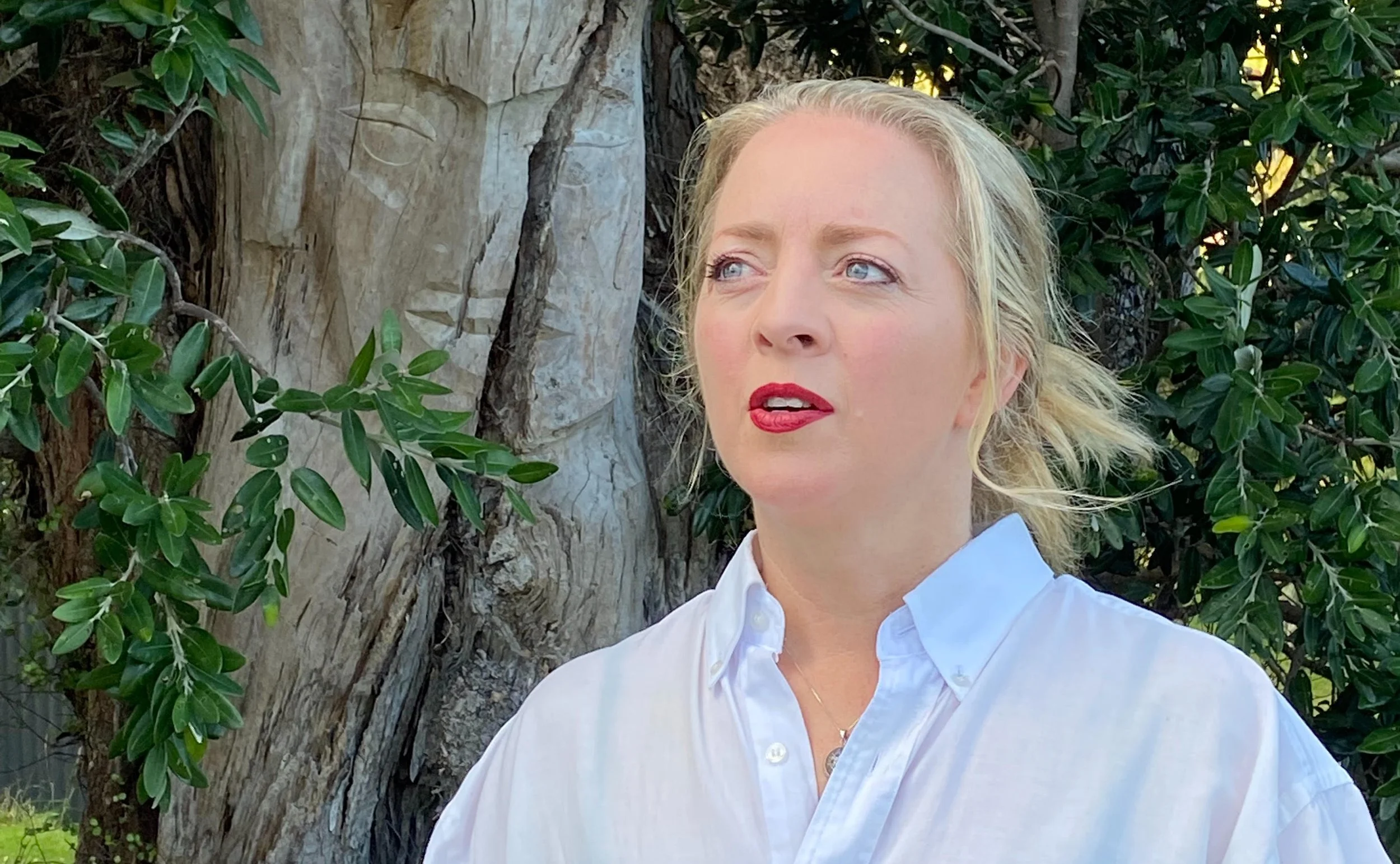
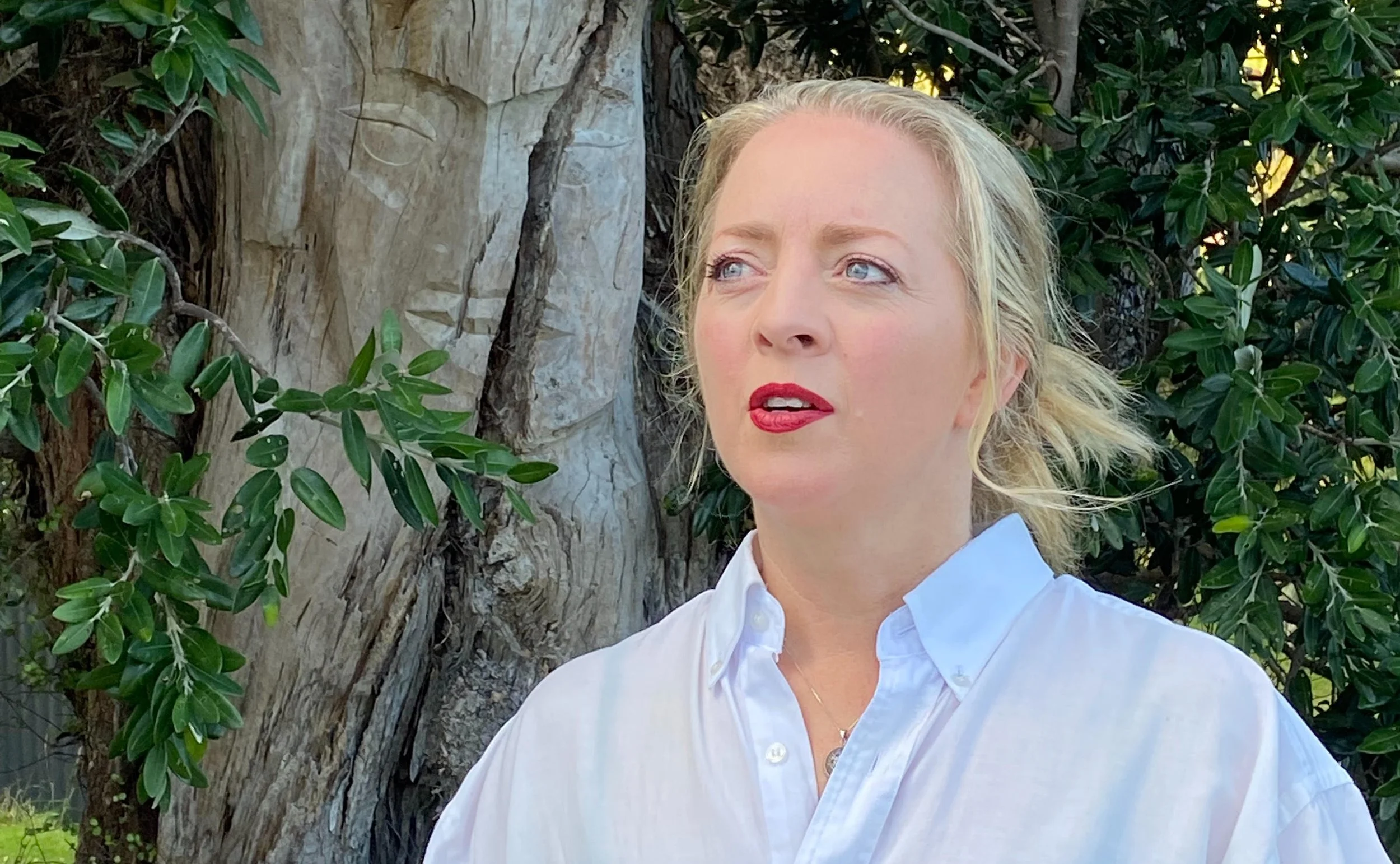
Lisa was born in Auckland at the start of the 1970s, living in a small campsite community on the North Shore called Browns Bay. She spent a significant part of her life with her grandparents, often hanging out at the beaches. Lisa has many happy memories from those days at Browns Bay beach, where fish were plentiful on the point and the ocean was rich in seaweed. She played in the water for hours, going home totally “sun-kissed.” “An adorable time to grow up,” Lisa tells me.
Lisa enjoyed many sports; she was a keen tennis player and netballer, playing in the top teams for her age right up until the family moved to Wellington. Lisa was fifteen years old, which unfortunately marked the end of her sporting career. Local teams were well established in Wellington, and her attention was drawn elsewhere.