




WHO points to NZ’s unacceptable physical inactivity
Tāmaki Makaurau – New Zealand has an unacceptably level of physical inactivity, according to the first ever World Health Organisation (WHO) report on global physically inactivity.
The report says 95 percent of New Zealand girls 11 to 17 are physically inactive compared to 85 percent of boys the same age. For those 18 and over, 45 percent of women are inactive and 39 percent of men don’t exercise enough.
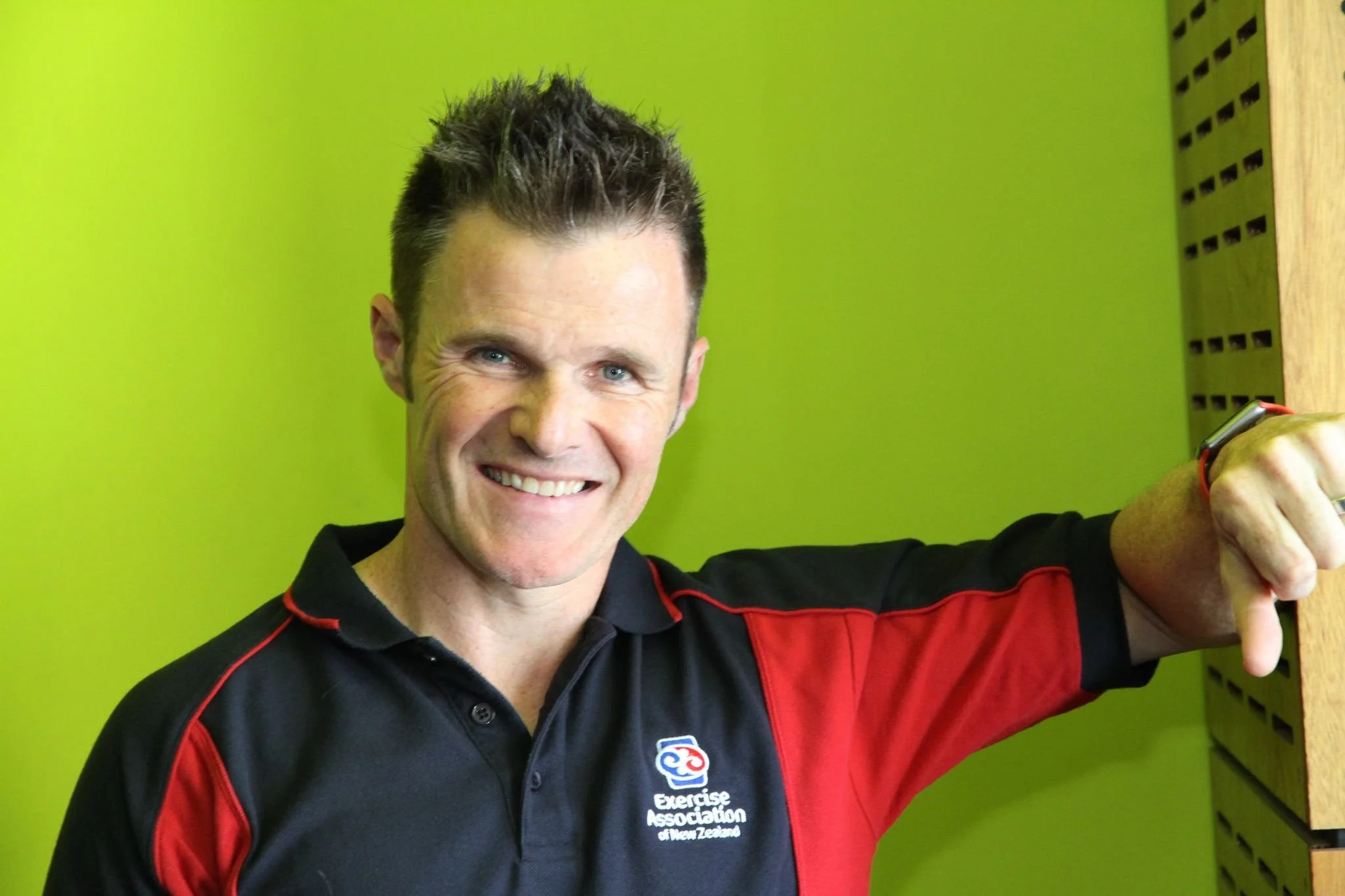
And among Kiwis 70 and over, 62 percent of women and 55 percent of do not exercise enough. So is New Zealand a physically active country? ExerciseNZ’s chief executive Richard Beddie says Aotearoa’s people are becoming less active, resulting in rising health costs and lower quality of life for kiwis”
"New Zealand is actually one of the worst countries in the world for being energetic and exercising. Forty-eight percent of Kiwi adults don't hit global activity targets,” he says.
“But it's even worse among children and teenagers an alarming percentage of them are not active enough. The global average is 21 percent for adults and 81 percent for kids and adolescents.
“Lost production caused by physical inactivity costs the New Zealand economy $2.3 billion a year, according to a Deloitte report this year. New Zealand is often seen as a sports-mad country but Aotearoa is becoming a nation of inactive people.”
The WHO has asked the government to collaborate with the exercise industry to improve activity levels.
Physical inactivity is an established risk factor for premature mortality and several non-communicable diseases. It has been estimated that physical inactivity causes six to 10 percent of the cases of premature mortality, coronary heart disease, type 2 diabetes, and breast cancer and colon cancer globally.
WHO has just published its first ever global status report on physical activity. This report is a wake-up call which aims to measure the extent to which governments are implementing recommendations to increase physical activity across all ages and abilities.
The benefits of physical activity are tremendous, not only for the physical and mental health of individuals, but also for society, the environment and the economy.
The report paints a concerning overall picture, estimating that physical inactivity will cause almost 500 million people globally to develop heart disease, obesity, diabetes or other noncommunicable diseases by 2030 and will cost $27 billion each year.
For further information contact Richard Beddie on 027 5205744 or ExerciseNZ’s media specialist Make Lemonade NZ editor-in-chief Kip Brook on 0275 03018




Lisa was born in Auckland at the start of the 1970s, living in a small campsite community on the North Shore called Browns Bay. She spent a significant part of her life with her grandparents, often hanging out at the beaches. Lisa has many happy memories from those days at Browns Bay beach, where fish were plentiful on the point and the ocean was rich in seaweed. She played in the water for hours, going home totally “sun-kissed.” “An adorable time to grow up,” Lisa tells me.
Lisa enjoyed many sports; she was a keen tennis player and netballer, playing in the top teams for her age right up until the family moved to Wellington. Lisa was fifteen years old, which unfortunately marked the end of her sporting career. Local teams were well established in Wellington, and her attention was drawn elsewhere.