





Temperatures in Europe increase more than twice global average
Geneva – New Zealand is forecast to swelter this summer, just as Europe did this year. The European continent is a living picture of a warming world.
Temperatures in Europe have increased at more than twice the global average over the past 30 years, the highest of any continent in the world.
As the warming trend continues, exceptional heat, wildfires, floods and other climate change impacts will affect society, economies and ecosystems, according to a new report from the World Meteorological Organisation (WMO).
Temperatures over Europe have warmed significantly over the 1991-2021 period, at an average rate of about +0.5 °C per decade.
As a result, alpine glaciers lost 30 metres in ice thickness from 1997 to 2021. The Greenland ice sheet is melting and contributing to accelerating sea level rise. Last summer, Greenland saw a melt event and the first-ever recorded rainfall at its highest point.
In 2021, high impact weather and climate events led to hundreds of fatalities, directly affected more than half a million people and caused economic damages exceeding $US50 billion. About 84 percent of the events were floods or storms.
It’s not all bad news. A number of countries in Europe have been very successful in cutting greenhouse gas emissions. In particular, in the European Union (EU) greenhouse gas emissions decreased 31 percent between 1990 and 2020, with a net 55 percent reduction target for 2030.
Europe is also one of the most advanced regions in cross-border cooperation in climate change adaptation, in particular across transnational river basins. It is one of the world leaders in providing effective early warning systems, with about 75 percent of people protected. Heat-health action plans have saved many lives from extreme heat.
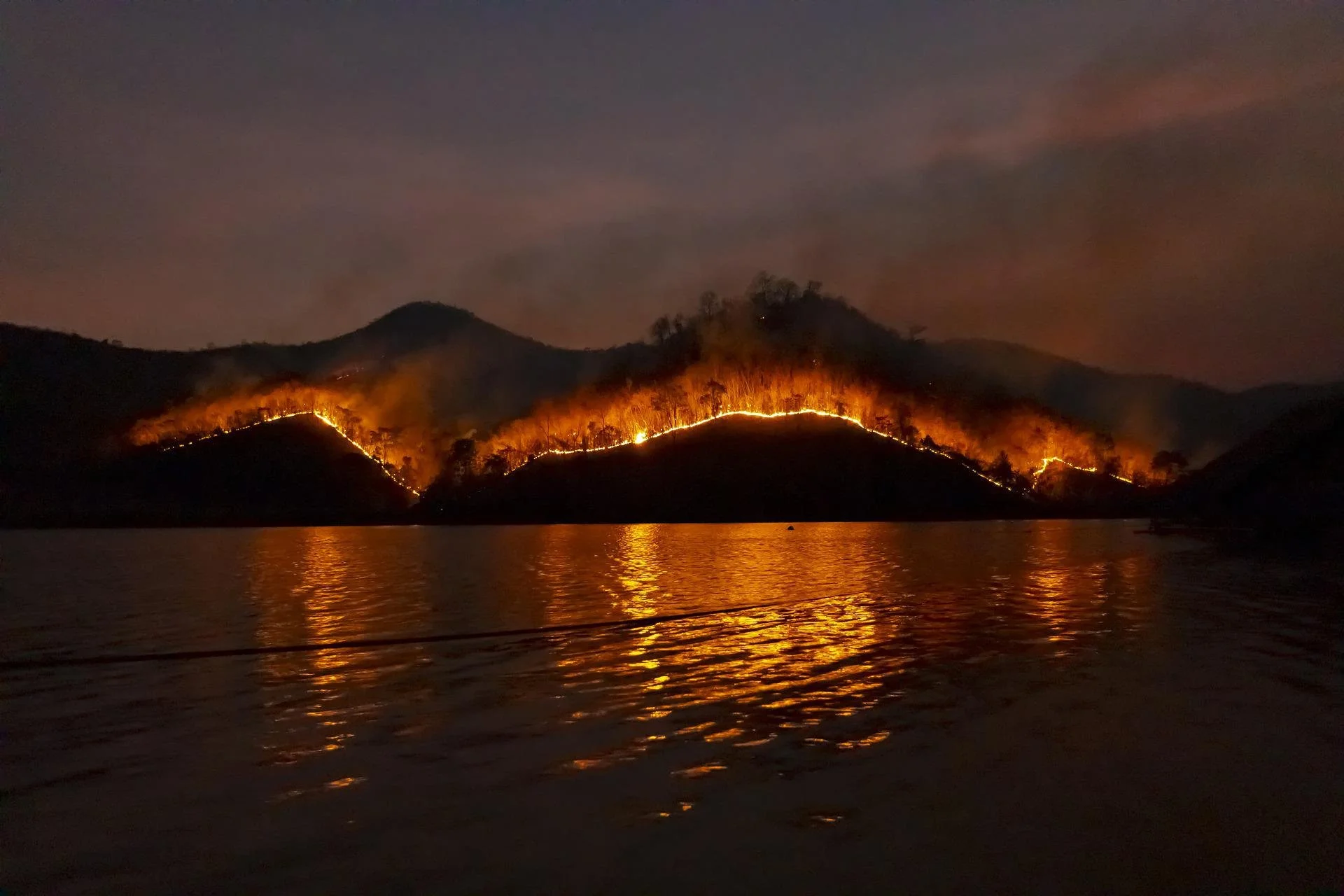
But the challenges are formidable. This year, like 2021, large parts of Europe have been affected by extensive heatwaves and drought, fuelling wildfires. In 2021, exceptional floods caused death and devastation.
As the risks and impact of climate change become increasingly apparent in day-to-day life, the need and the appetite grow for climate intelligence, and rightly so.
The WMO report will bridge the gap between the data and the analysis to provide science-based but accessible information that is decision-ready, across sectors, across professions.



Lisa was born in Auckland at the start of the 1970s, living in a small campsite community on the North Shore called Browns Bay. She spent a significant part of her life with her grandparents, often hanging out at the beaches. Lisa has many happy memories from those days at Browns Bay beach, where fish were plentiful on the point and the ocean was rich in seaweed. She played in the water for hours, going home totally “sun-kissed.” “An adorable time to grow up,” Lisa tells me.
Lisa enjoyed many sports; she was a keen tennis player and netballer, playing in the top teams for her age right up until the family moved to Wellington. Lisa was fifteen years old, which unfortunately marked the end of her sporting career. Local teams were well established in Wellington, and her attention was drawn elsewhere.