




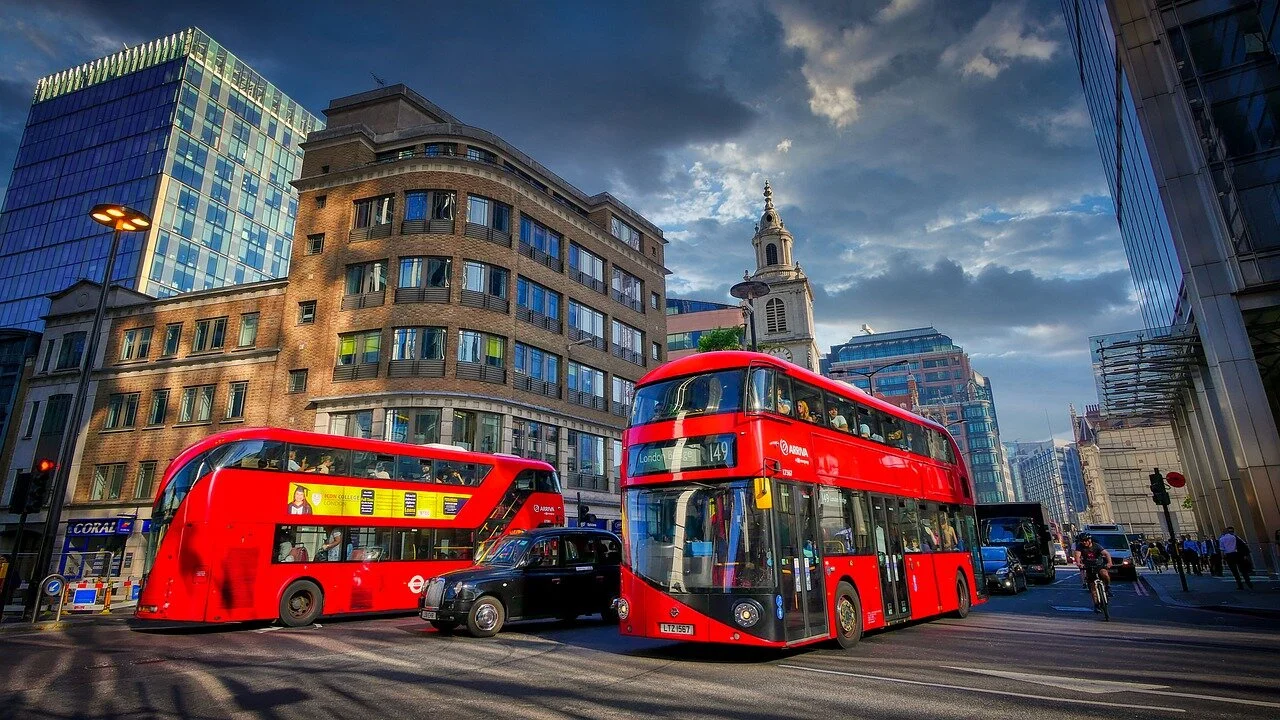
NZ tour bus industry has fewer buses, fewer drivers
Ōtepoti - The New Zealand the tour and coach sector is struggling as it grapples to cope out of covid.
About one to 1.5 million tourists will sweep through New Zealand this summer when the summer is in full swing and international visitors flocking back to New Zealand.
But the tour and coach sector is having challenges meeting the high demand.
What’s happening now is exactly what we said would happen over a year ago, Bus and Coach Association chief executive Ben McFadgen says.
The shortage of NZ tour bus operators, tour drivers and coaches is a direct result of the sector being overlooked when financial support was needed during the pandemic, he says.
More than 35 percent of operators have closed up shop forever and their coaches have been sold.
A large number of people have left the industry and found employment elsewhere, McFadgen says.
“Because they weren’t being supported by the one entity that should understand the impact on New Zealand of losing such an important sector.
“Now we have huge demand and the tourism industry is really struggling to fill that demand. This should not be a surprise to anyone.
“Now New Zealand’s reputation is suffering. The situation has been made worse by the current covid resurgence and the perception that tourists, particularly cruise ship passengers are responsible for the outbreak.
“They’re not. They’re simply more visible because they are taking precautions and they’re an easy target because they’re visitors.
“The risk of catching covid from a visitor is no different to catching it from your next-door neighbour, or workmate.
“The virus is a contagion, it is also now endemic. If people are worried about catching covid then they need to take precautions like we all did last year such as wearing a mask, social distancing and isolating I sick.”
A critical factor in New Zealand is the age of many tour bus drivers, with most well over 60.
They are not likely to want to put themselves at risk driving on the front line.
Many don’t have to work, those that do can get a job with a much lower risk profile and probably for more money.
With little in the way of relief on the horizon, inbound tour and cruise ship operators need to work closely with tour coach operators to manage the crisis.
It’s about working together, communicating often and early, and being understanding about each other’s situation, McFadgen says.

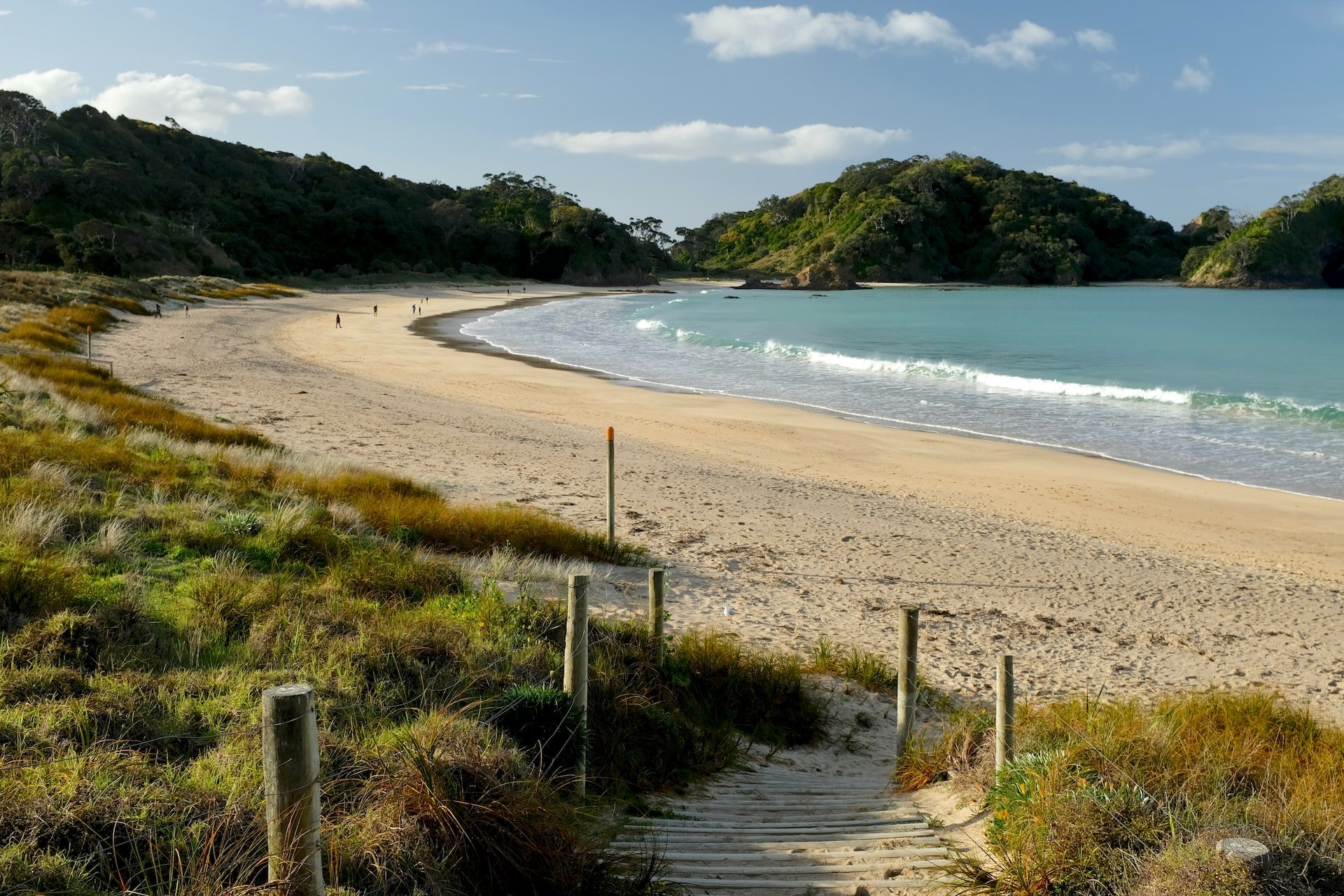


Lisa was born in Auckland at the start of the 1970s, living in a small campsite community on the North Shore called Browns Bay. She spent a significant part of her life with her grandparents, often hanging out at the beaches. Lisa has many happy memories from those days at Browns Bay beach, where fish were plentiful on the point and the ocean was rich in seaweed. She played in the water for hours, going home totally “sun-kissed.” “An adorable time to grow up,” Lisa tells me.
Lisa enjoyed many sports; she was a keen tennis player and netballer, playing in the top teams for her age right up until the family moved to Wellington. Lisa was fifteen years old, which unfortunately marked the end of her sporting career. Local teams were well established in Wellington, and her attention was drawn elsewhere.