




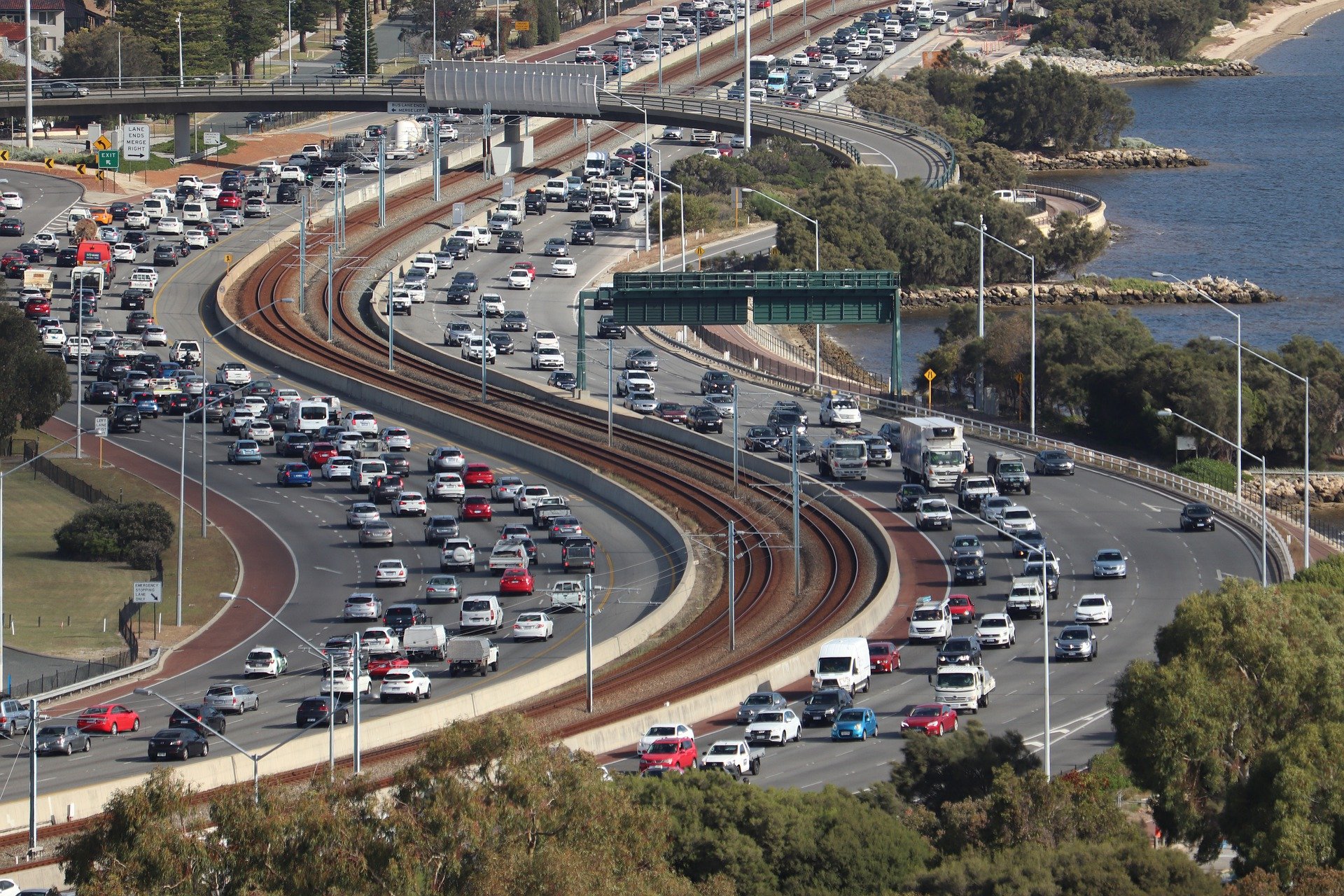
Electric milk tanker helps New Zealand drive down emissions
Kirikiriroa - Thirteen New Zealand vehicle and technology decarbonising projects have received government co-funding to help reduce the country’s emissions.
The nationwide EV charging network is expanded as government bolsters partnership with business in tackling climate change .
The country’s first electric milk tank tanker, a solar-panelled bus, electric off-road farm vehicles and new high powered EV charging stations are among projects to receive funding from the Low Emission Transport Fund (LETF).
Focusing on transport changes helps reduce New Zealand’s reliance on global energy prices.
In total, 13 vehicle and technology projects will receive $3.452 million and 13 EV charging projects will receive $3 million.
They include Fonterra’s electric 46T milk tanker with battery-swap technology at the Waitoa Depot, near Tauranga and Firth Industries will deploy NZ’s first electric battery-swap concrete mixer truck, to operate in Penrose.
Chargenet will install eight ultrafast chargers in the Auckland CBD, Napier, Whangārei and New Plymouth; ThunderGrid will install a fast charger in Masterton and Meridian will install two fast chargers in Christchurch.
Jump Charging will install two ultrafast chargers in the Agritech Business Park in Rakaia and Z Energy will install 12 ultrafast chargers at a number of locations in the upper North Island.
The total number of public chargers has risen to 731, with 561 of those having been installed.
The projects help demonstrate the scale of opportunity for decarbonisation in the New Zealand transport sector.
In May, the government will release New Zealand’s first emissions reduction plan, which will show initiatives across all sectors to get down the path to net-zero.
Today’s announcement will see a combined total of $6.45 million in government funding go to 26 projects across the two rounds, matched by $9.03 million in applicant funding. The combined investment across these projects is $15.49 million.
Orion in Christchurch has partnered with government and others on a number of projects to expand the public EV charging network in Canterbury, including plugging network gaps between Christchurch and the West Coast.
The Low Emission Transport Fund is administered by EECA.


Lisa was born in Auckland at the start of the 1970s, living in a small campsite community on the North Shore called Browns Bay. She spent a significant part of her life with her grandparents, often hanging out at the beaches. Lisa has many happy memories from those days at Browns Bay beach, where fish were plentiful on the point and the ocean was rich in seaweed. She played in the water for hours, going home totally “sun-kissed.” “An adorable time to grow up,” Lisa tells me.
Lisa enjoyed many sports; she was a keen tennis player and netballer, playing in the top teams for her age right up until the family moved to Wellington. Lisa was fifteen years old, which unfortunately marked the end of her sporting career. Local teams were well established in Wellington, and her attention was drawn elsewhere.