




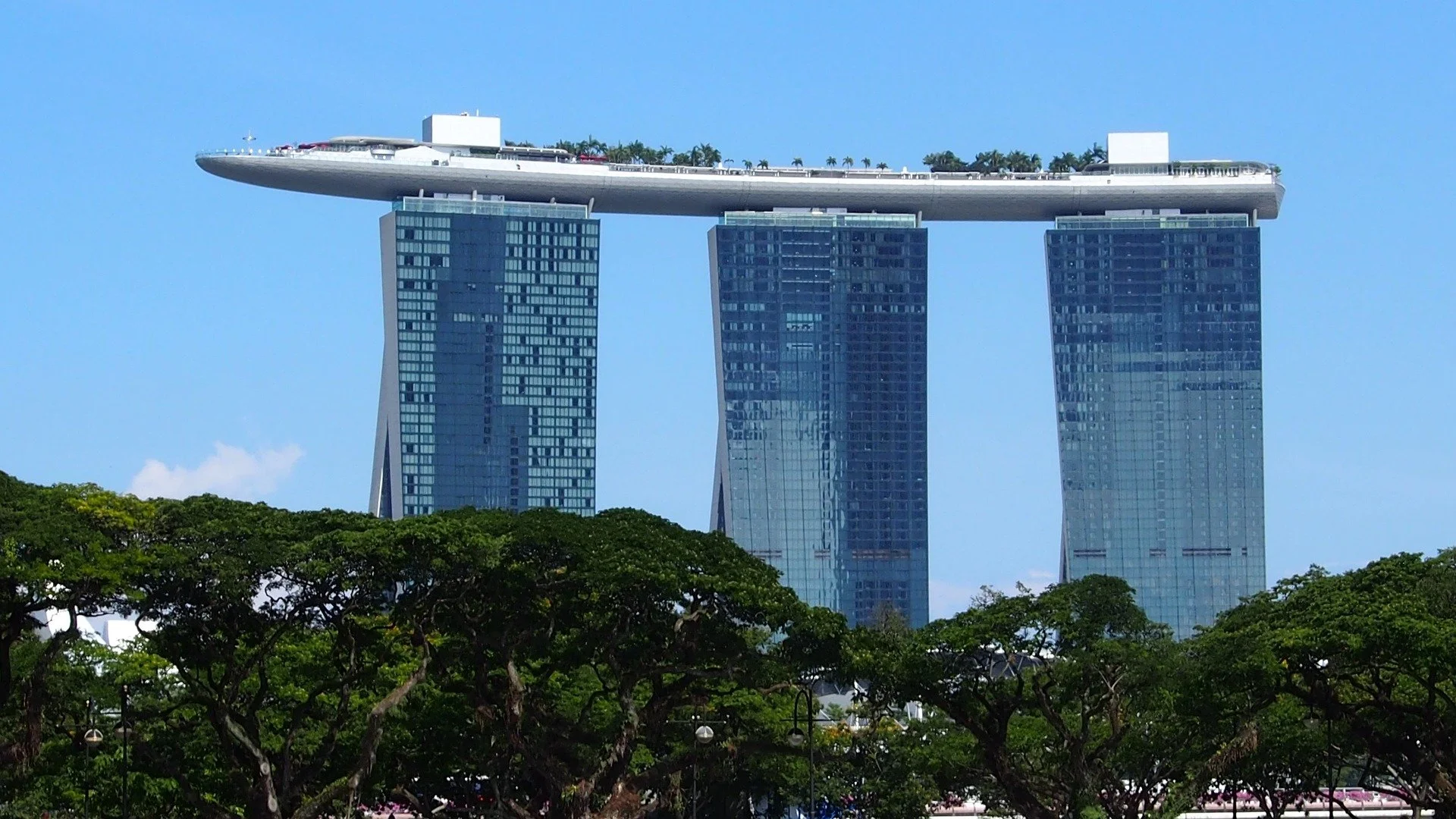
Singapore aiming to produce 30 percent of its own food
Kirikiriroa - Singapore is aiming to produce 30 percent of its own food by 2030, a number that is currently closer to 10 percent.
To achieve this, emphasis has been put on Singaporeans to help grow what they can.
New Zealand produces enough food to feed 40 million people, exporting much of it. But almost 40 per cent of adults and 19 per cent of children in New Zealand don't have enough food.
Growing food in urban farms on carpark rooftops to reused outdoor spaces and retrofitted building interiors is also key to Singapore’s 30 by 30 goal.
Securing food during a crisis and preserving land for a liveable climate is changing the focus of farming from rural areas to cities.
At the forefront of this shift is Singapore, a city-sized country that aims to produce 30 percent of its own food by 2030.
But with 90 percent of Singapore’s food coming from abroad, the challenge is a tall order. The plan calls for everyone in the city to grow what they can, with government grants going to those who can use technology to yield greater amounts.
The food items with potential for increased domestic production include vegetables, eggs, and fish, which are commonly consumed but are perishable and more susceptible to supply disruptions.
Alternative proteins such as plant-based and lab-grown meats could also contribute to the 30 by 30 goal. In 2020, there were 238 licensed farms in Singapore.
Only 1 percent of Singapore’s land is being used for conventional farming. That created the constraint of growing more with less.
The government has put its hopes in technology, saying multi-storey LED vegetable farms and recirculating aquaculture systems can produce 10 to 15 times more vegetables and fish than conventional farms.
Since 2017, land has been leased in two districts on the edge of the city to large-scale commercial farm projects.
But as Singapore tries to advance, there are some left behind. The traditional farms that do exist in Singapore are being displaced, their knowledge no longer valued because they are not seen as hi-tech.
While we are trying to increase production, the net result could actually be reduced production because the traditional growers are being removed from the equation in the long term.
In the long-run, high production of food within Singapore will need a sustainable market of consumers But productivity doesn’t necessarily equate to sustainability or profitability.
Whether Singapore is able to produce its own food sustainably for the long-run remains to be seen. But the endeavour is certainly an exciting moment for entrepreneurs pushing the boundaries of what farming and cities can be.



Lisa was born in Auckland at the start of the 1970s, living in a small campsite community on the North Shore called Browns Bay. She spent a significant part of her life with her grandparents, often hanging out at the beaches. Lisa has many happy memories from those days at Browns Bay beach, where fish were plentiful on the point and the ocean was rich in seaweed. She played in the water for hours, going home totally “sun-kissed.” “An adorable time to grow up,” Lisa tells me.
Lisa enjoyed many sports; she was a keen tennis player and netballer, playing in the top teams for her age right up until the family moved to Wellington. Lisa was fifteen years old, which unfortunately marked the end of her sporting career. Local teams were well established in Wellington, and her attention was drawn elsewhere.